


|
|
|
|
by Editor Miro Susta
Edited and published by Yvette Depaepe, the 28th of September 2026
We believe that we are photographing things. But that's not what we're doing; rather, we're capturing the light that falls on them.
When we remove the luxury of colour, the black-and-white photograph must rely on its core artistic foundation to survive.
Colour tells us what something is, but black and white conveys how it makes us feel. Without red or blue, there are no distractions — only the essentials remain.
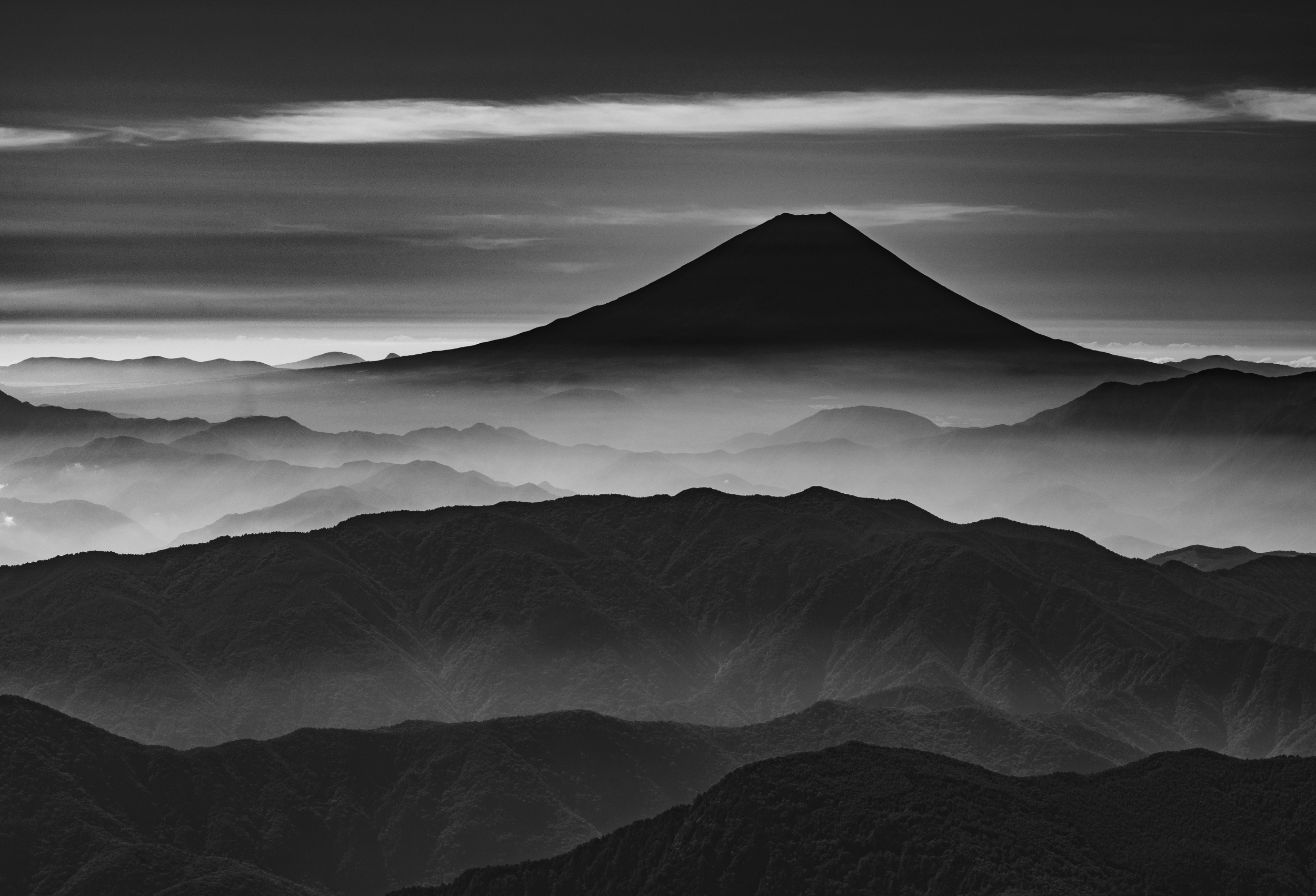
„sacred mountain“ by Kenichi Higashiyama
This article highlights three interesting and important aspects of black-and-white photography:
Firstly, ‘white’, where light eliminates the world.
Secondly, ‘dark’, where light cuts through the world.
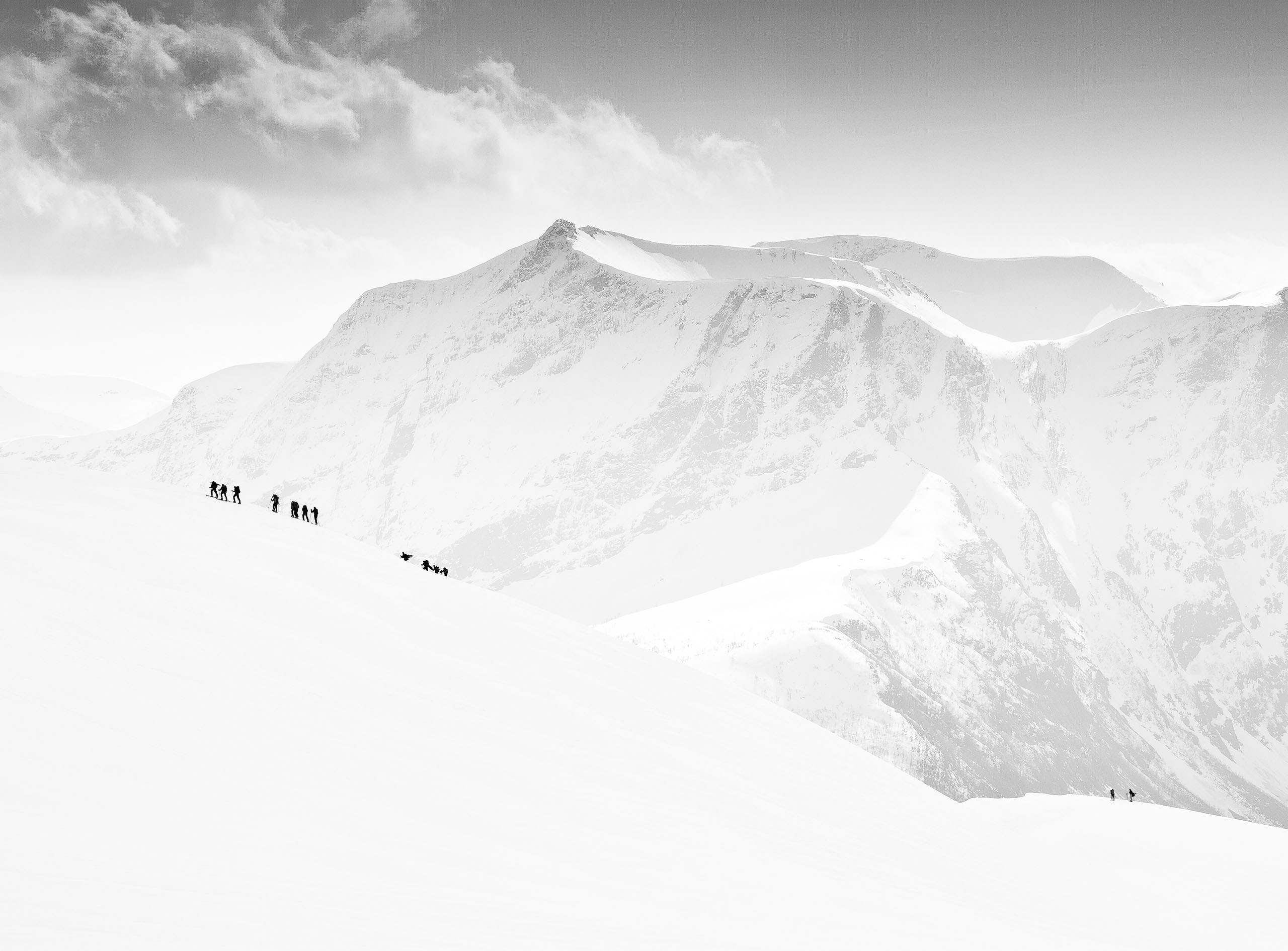
Thirdly, ‘a person’, small and lonely, where we realise just how powerful light really is.
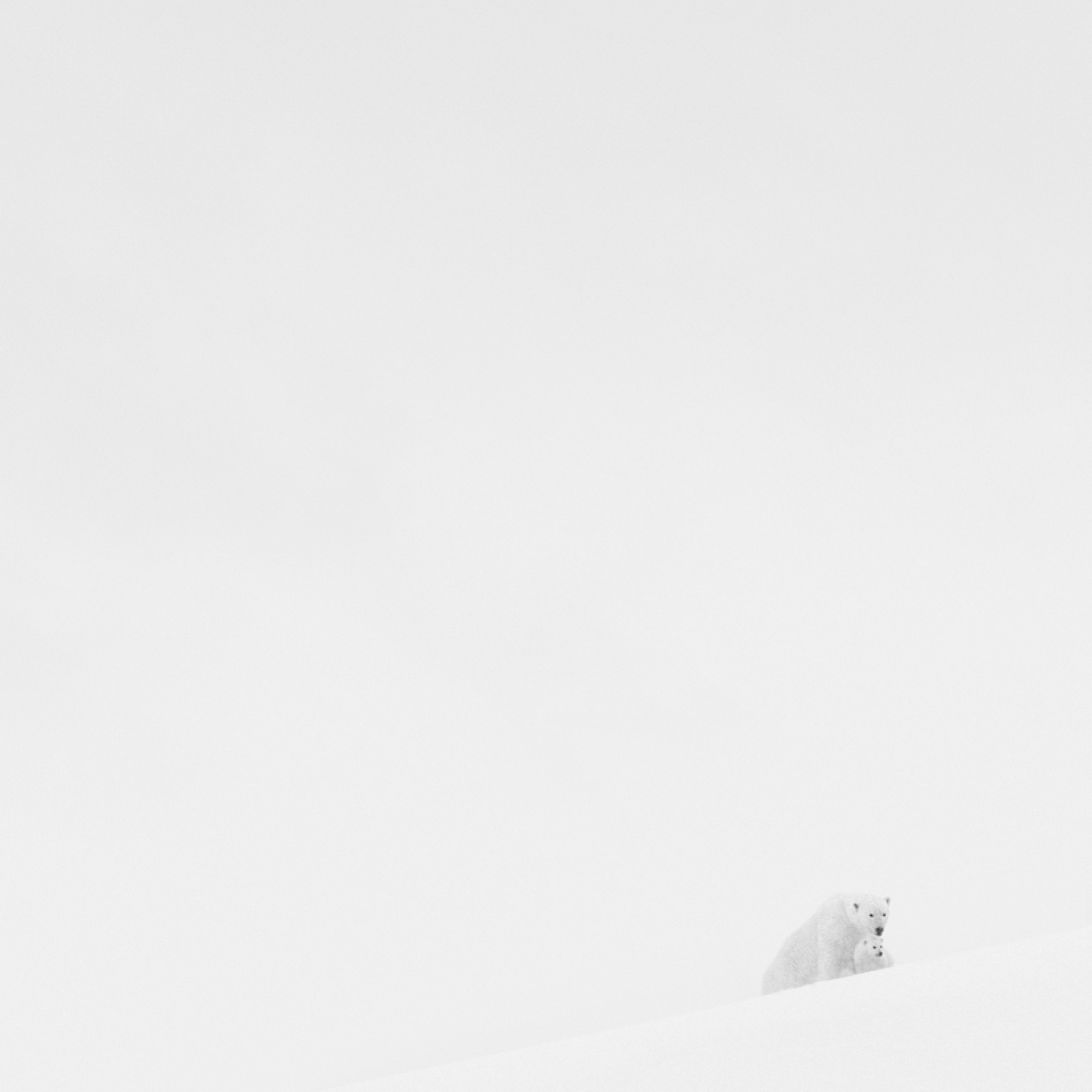
“ARCTIC SILENCE 11” by Patrick Ems
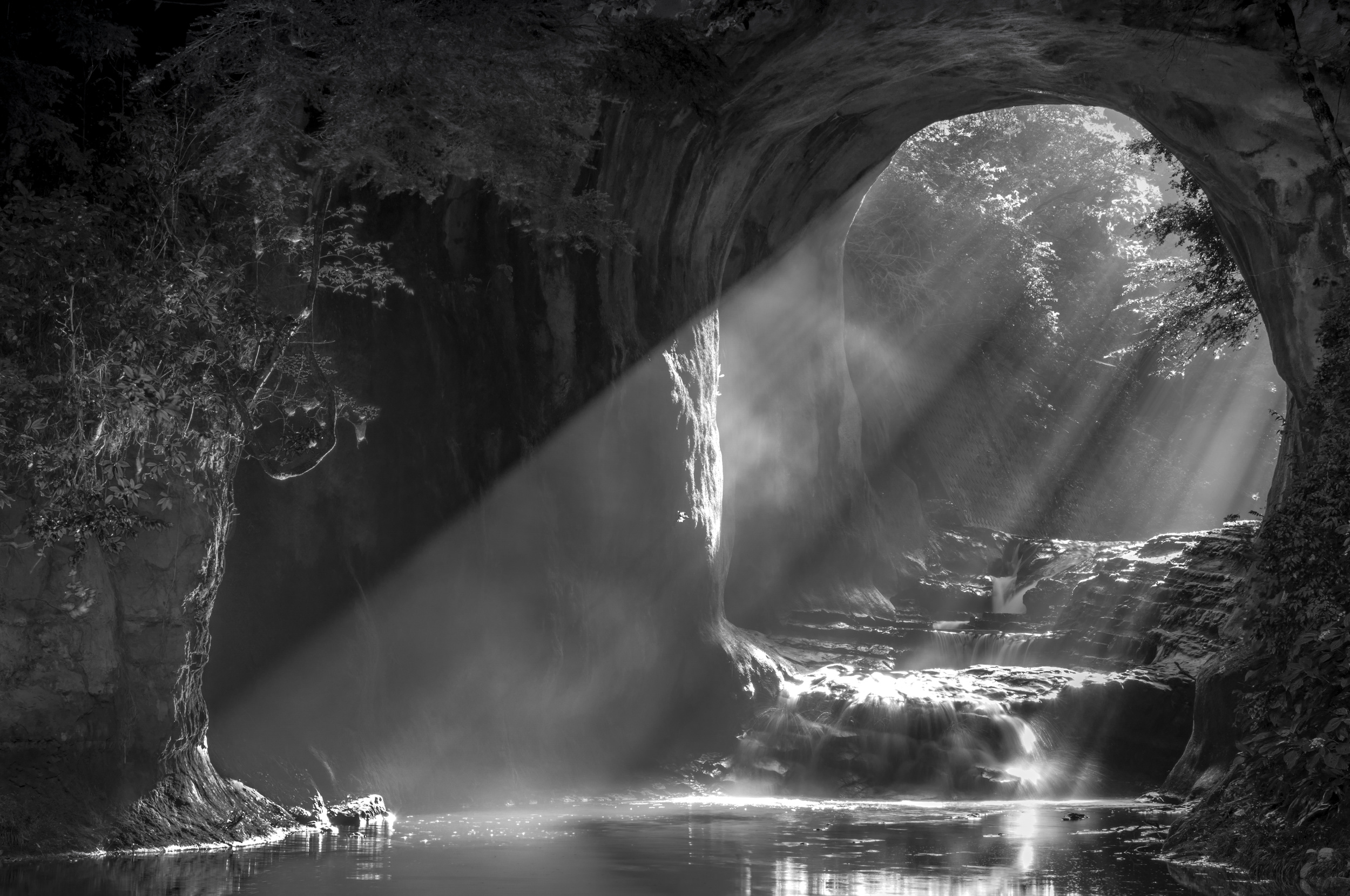
“The morning sun” by MUNEO ABE
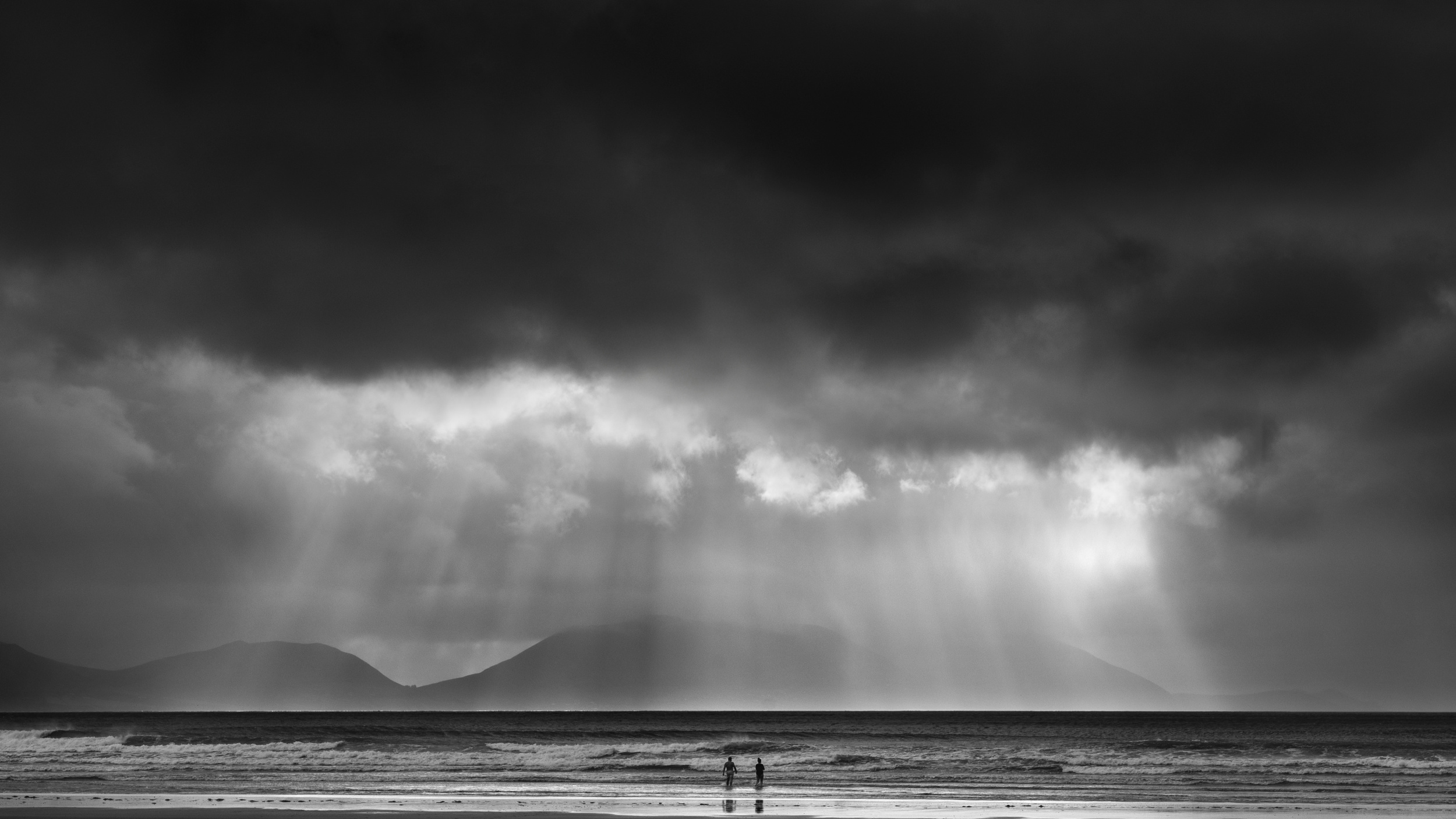
“In for a Dip” by Paul Flinn
WHAT DOES THE WHITE HIDE FROM US?
The mist momentarily obscures our view, as if inviting us to focus our gaze. Yet it does not hide the landscape; rather, it reveals the light. As we lose sight of the world’s forms in its gentle whiteness, we rediscover the essence of light. A moment of stillness, captured for eternity.
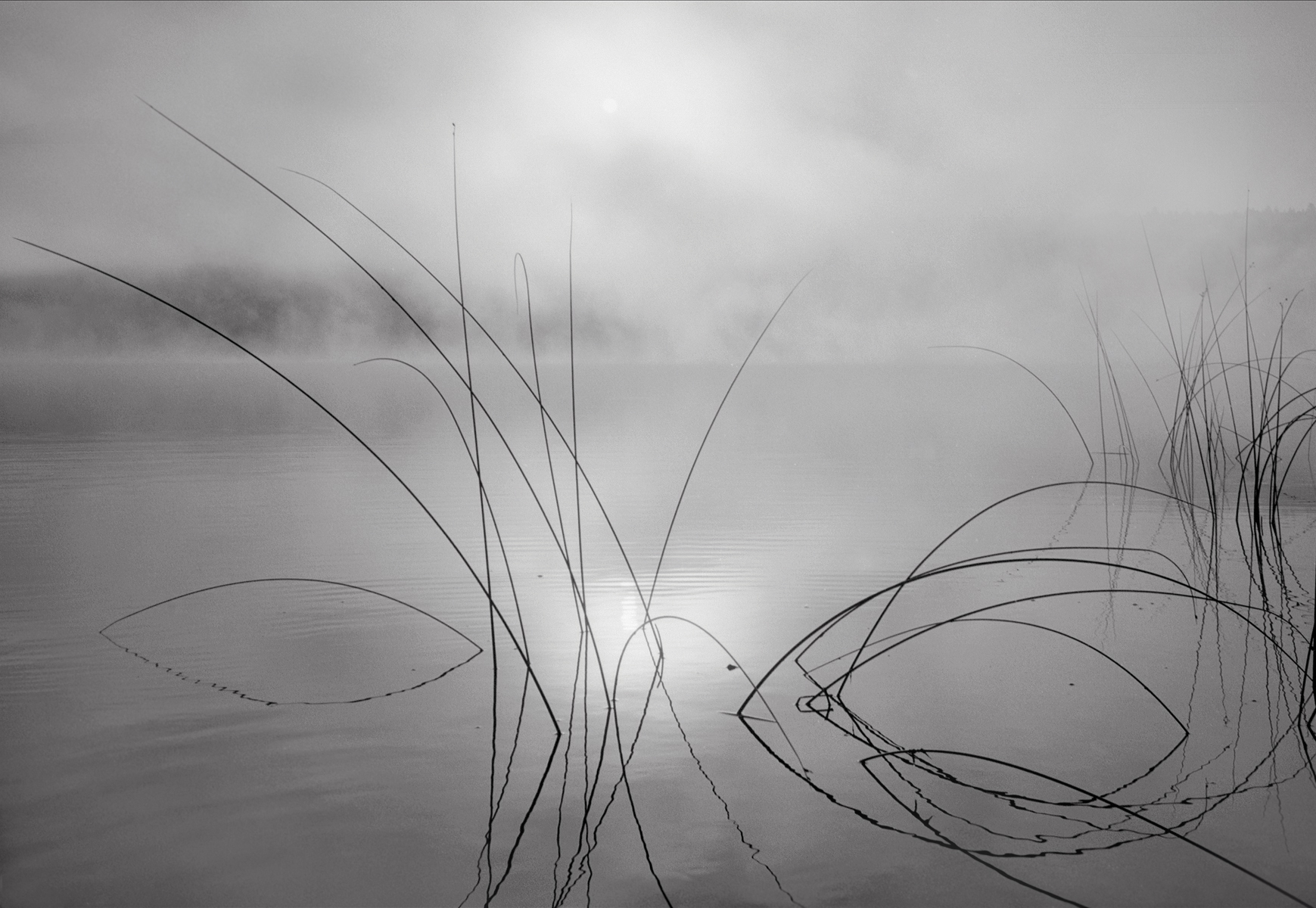
“Suzanne Lake” by Steven T
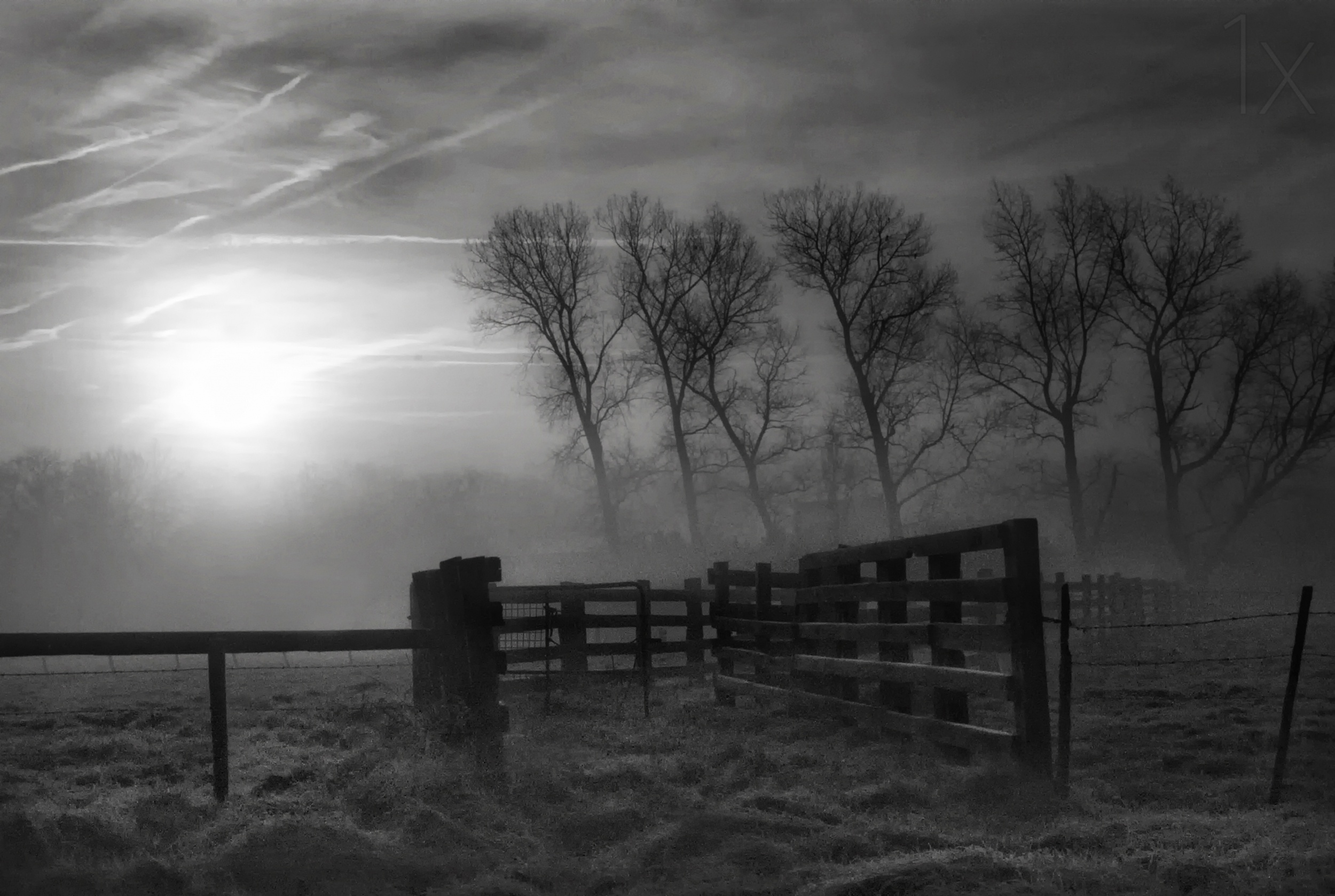
“Eternal Sunrise” by Yvette Depaepe
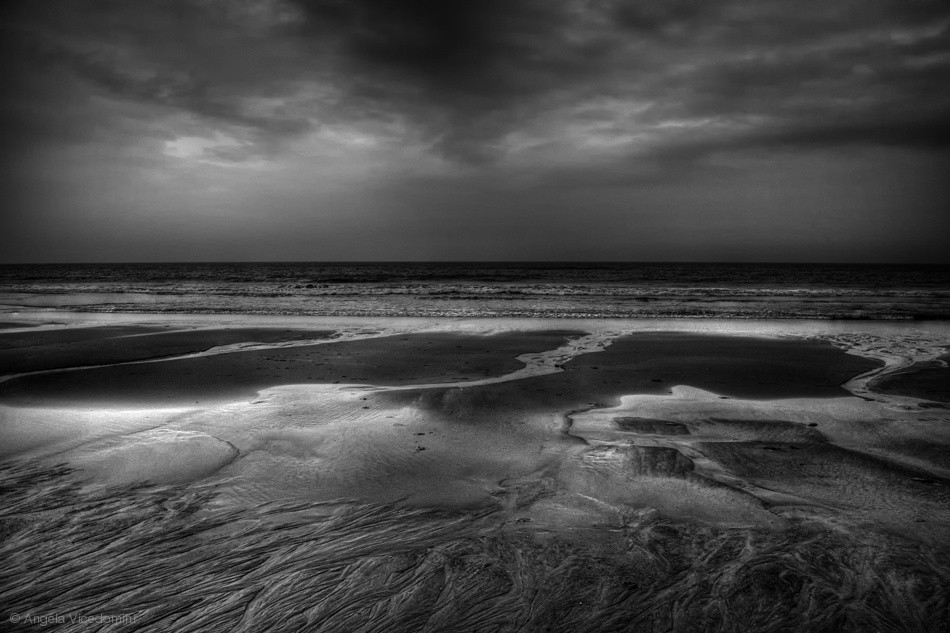
“Eternity” by Angéla Vicedomini
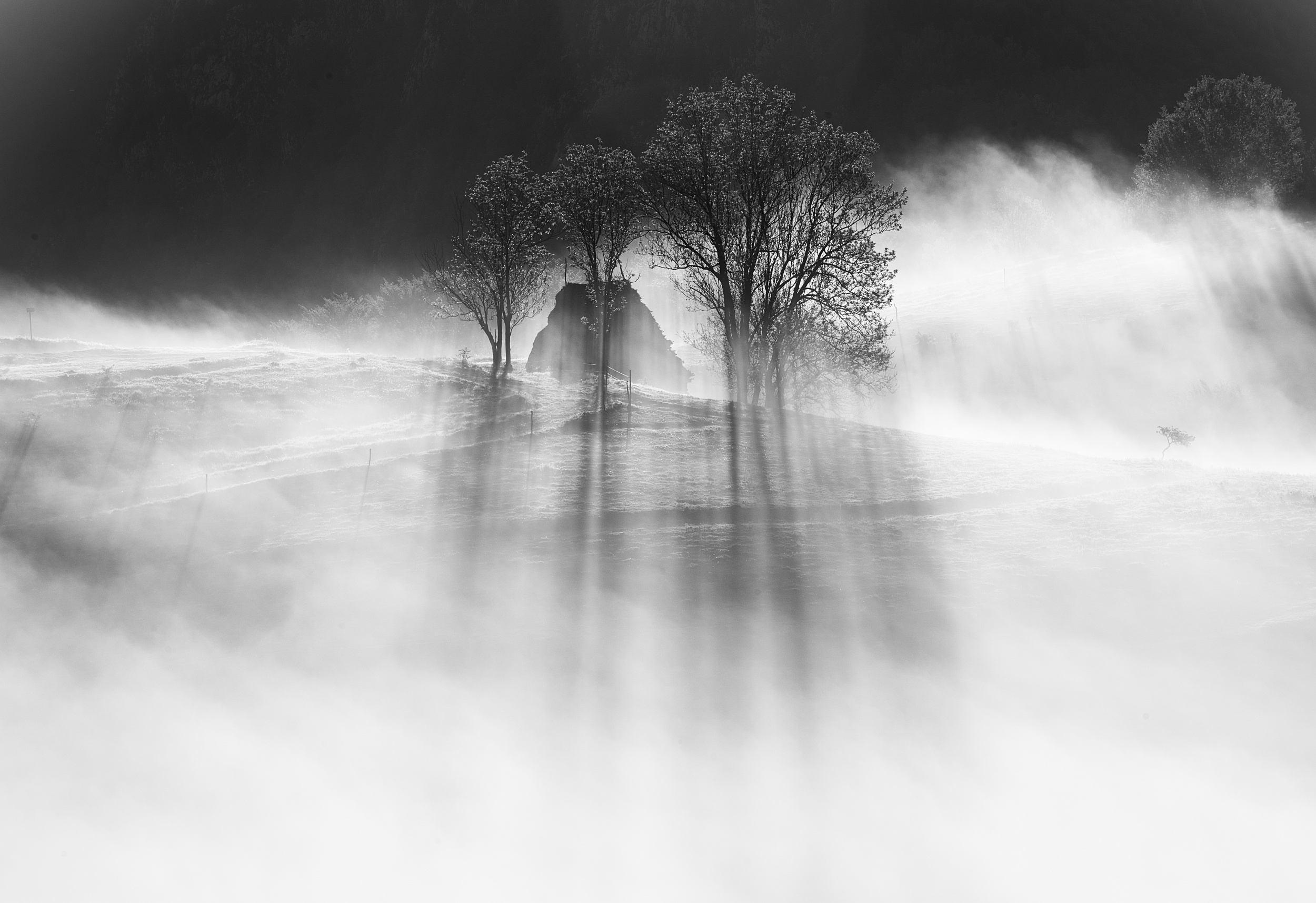
“Lights and shadows” by Alexandru Pavel
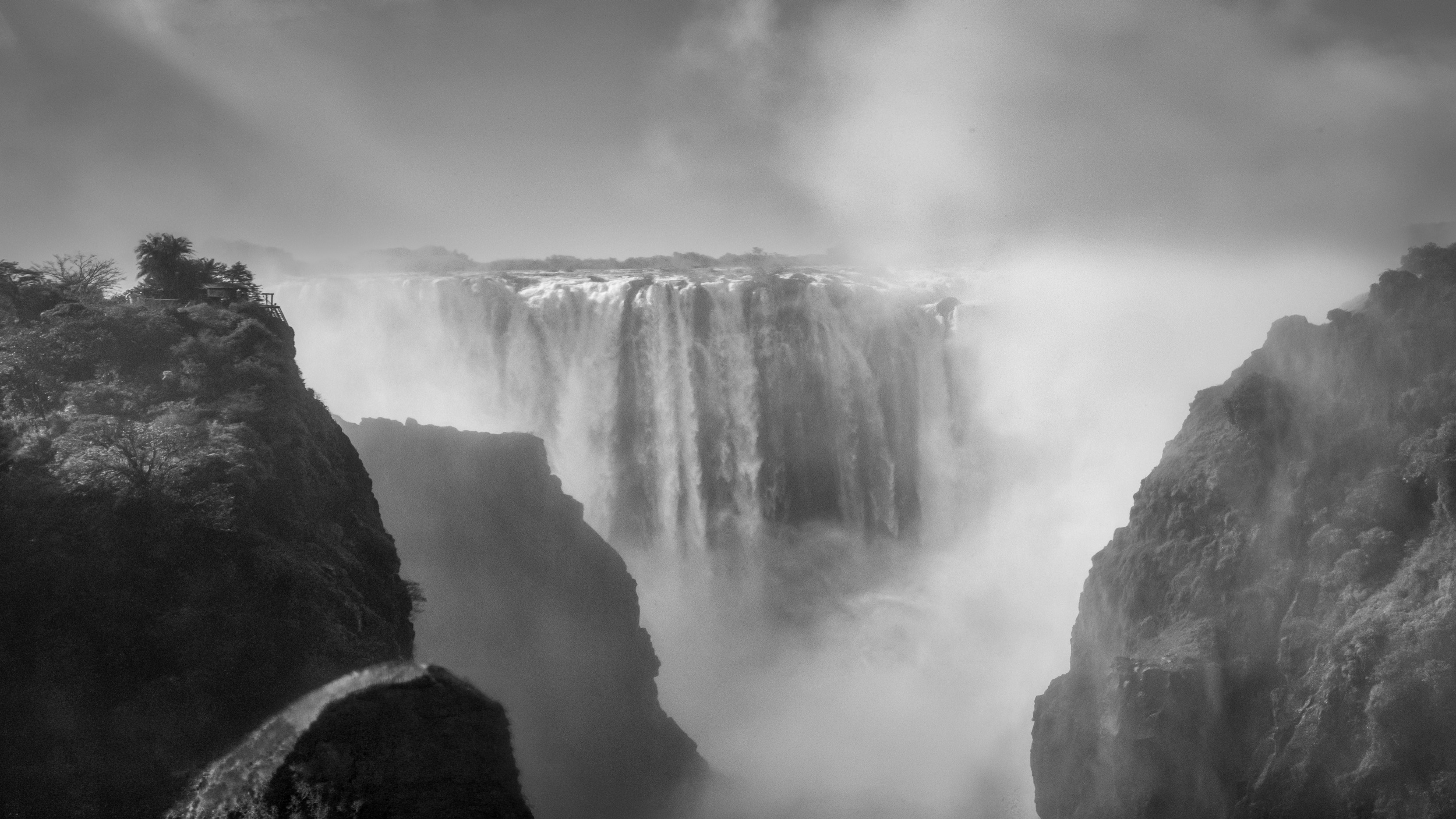
“Mighty falls with smoke and thunders” by Jimmy Yang
By filtering out the details and distractions of the real world, it strips our surroundings back to their essentials. The white, diffuse glow of the fog draws the eye away from shapes and towards the pure existence of light itself. This is a beautiful metaphor for those moments in life when we must lose our bearings in order to gain clarity.
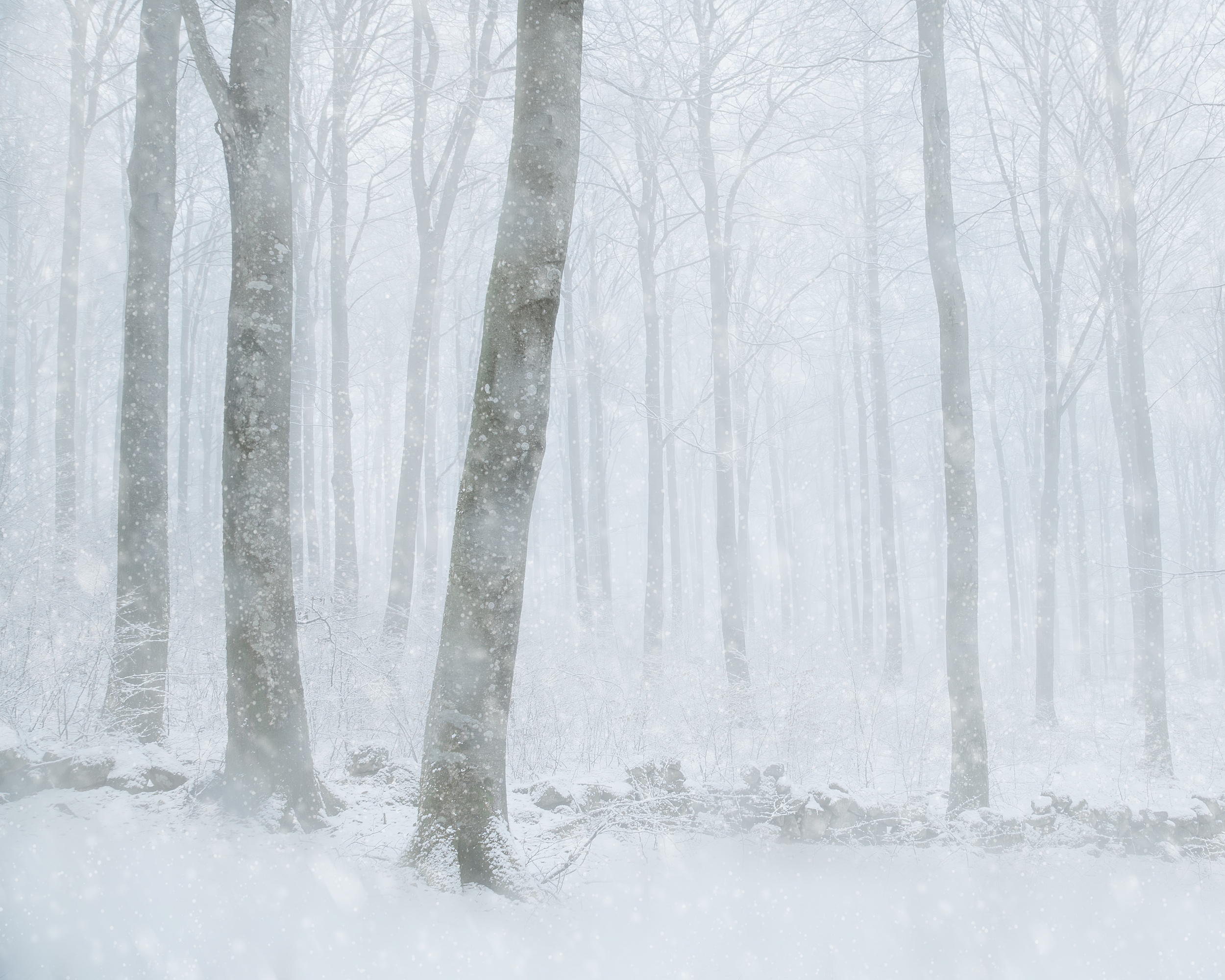
“Silent Winter” by Gustav Davidsson
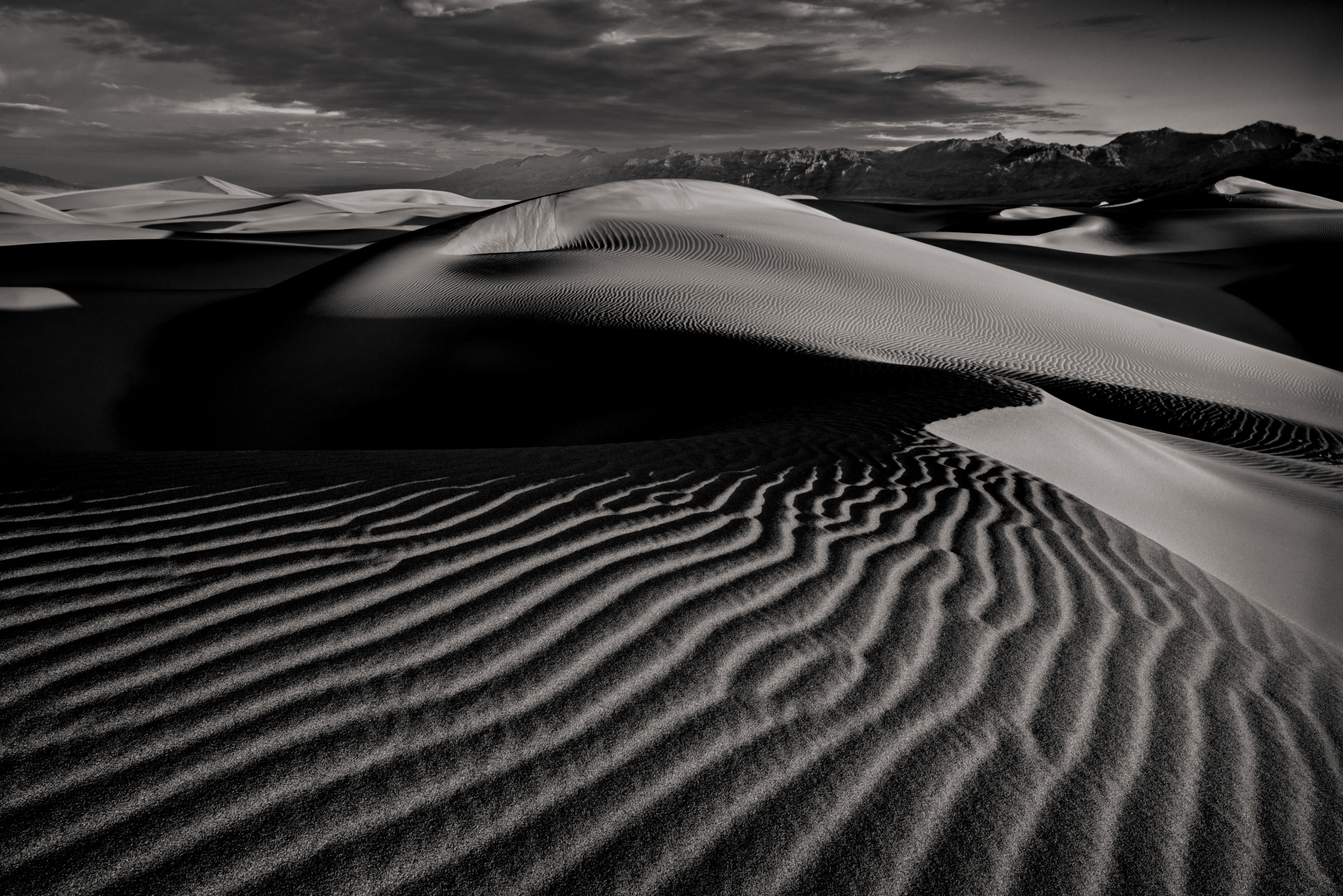
“Sunrise - Death Valley” by Wanghan Li
DUST AND LIGHT
When light passes through a dark room or a hazy landscape or foggy street, it acts like a projector, making the invisible visible.
It is not actually 'empty air' that we are looking at, but the countless microscopic particles floating within it, such as dust, pollen, soot and water droplets.
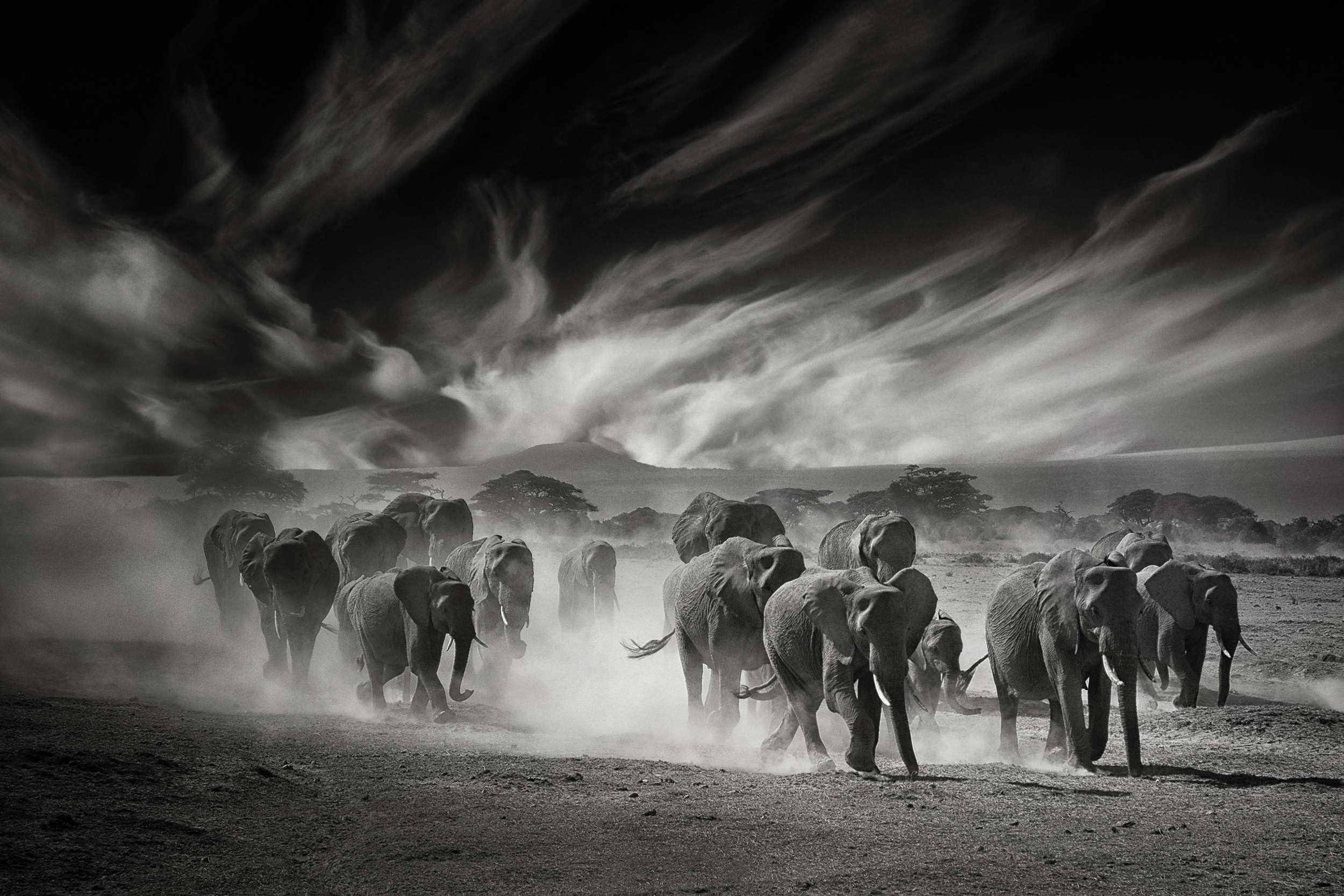
“The sky, the dust and the Elephants” by Mathilde Guillemot
When a strong beam of light hits these particles, they scatter, making the beam's path visible to us. The idea that a camera captures 'a photograph of the air around it' rather than the location itself offers a profound perspective.
In photography, this effect is often created using backlighting or side lighting to highlight the particles, thereby turning empty space into the main subject of the image.
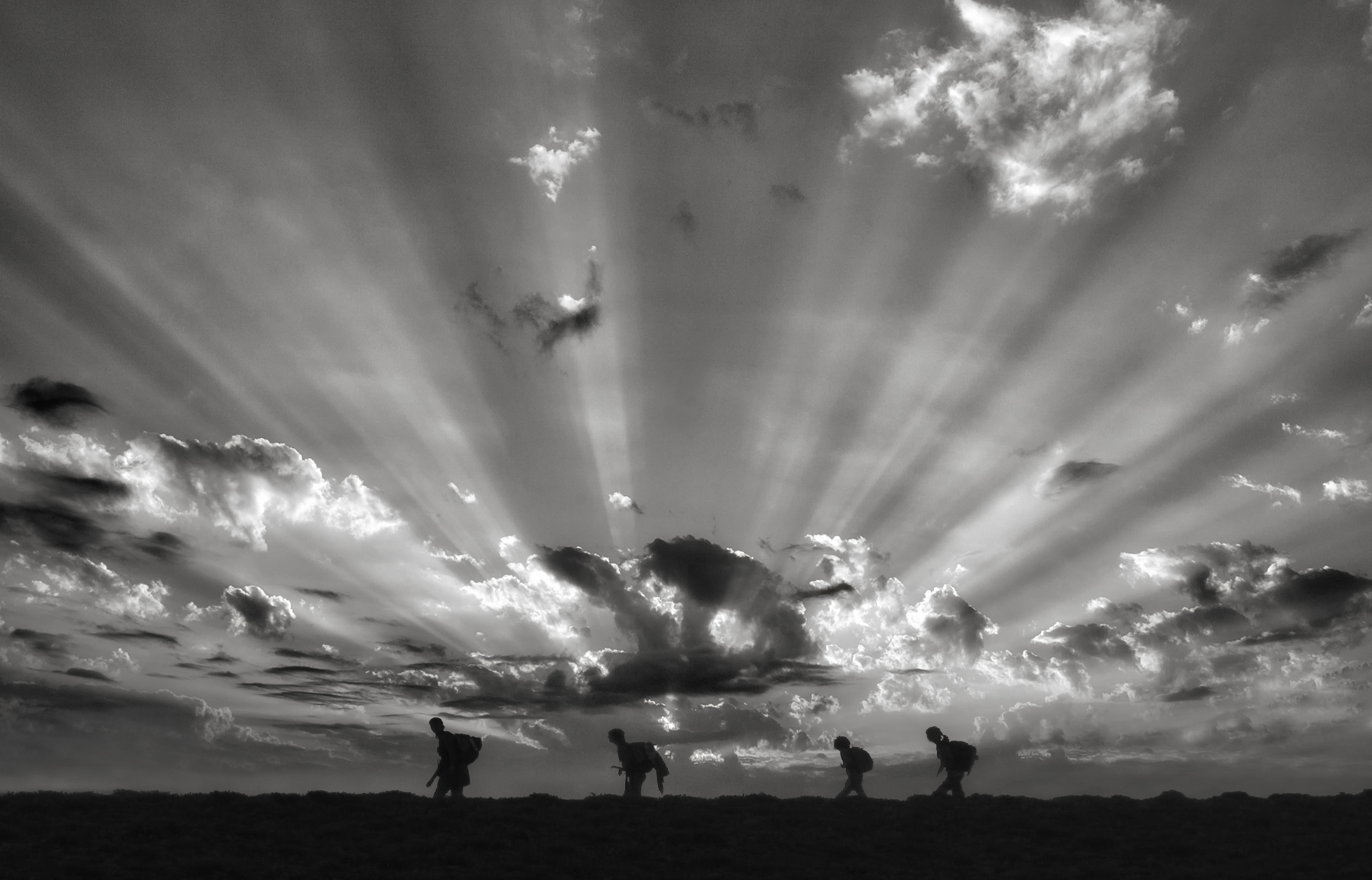
“Glorious hike” by Yvette Depaepe
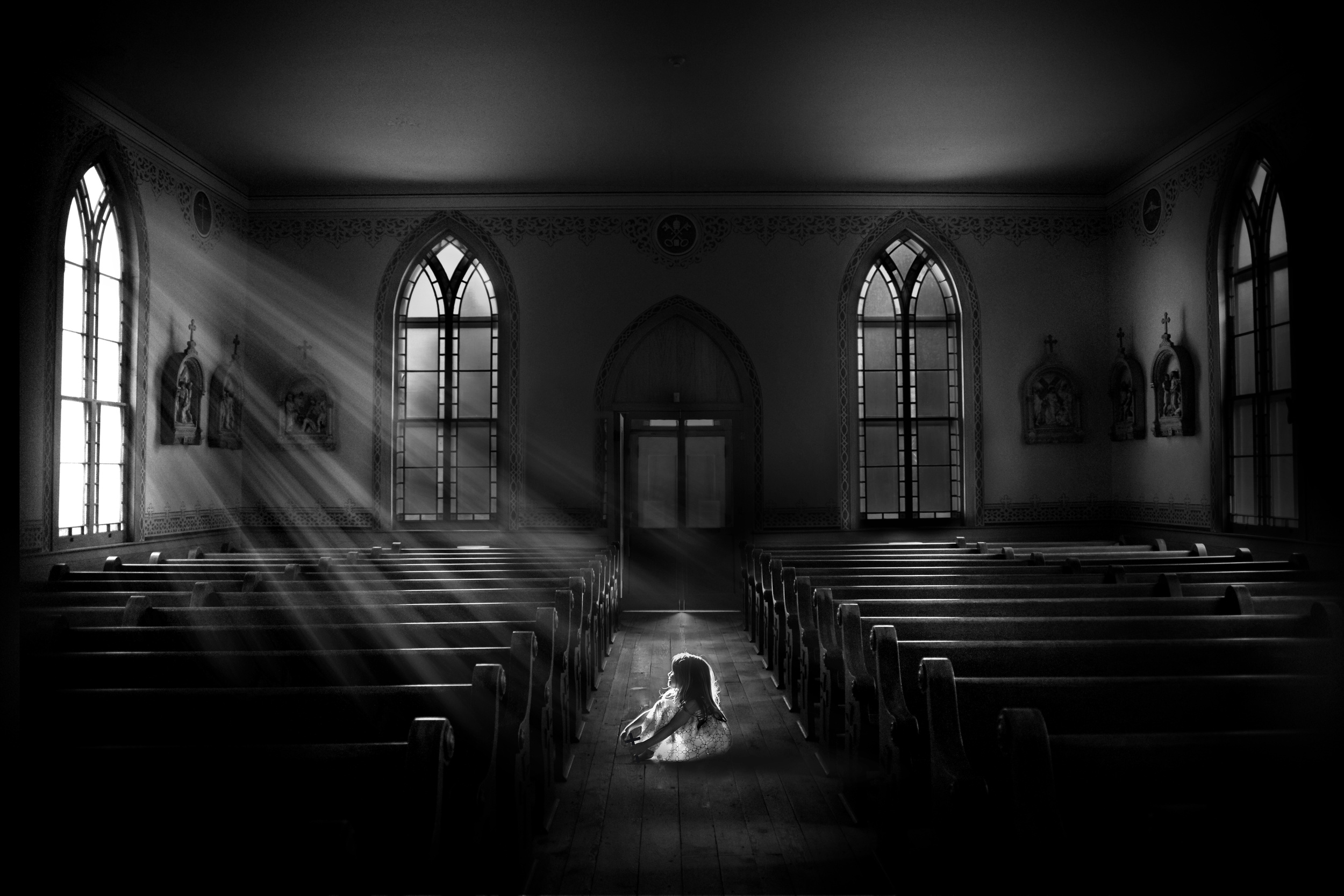
“My Solace” by Kapuschinsky
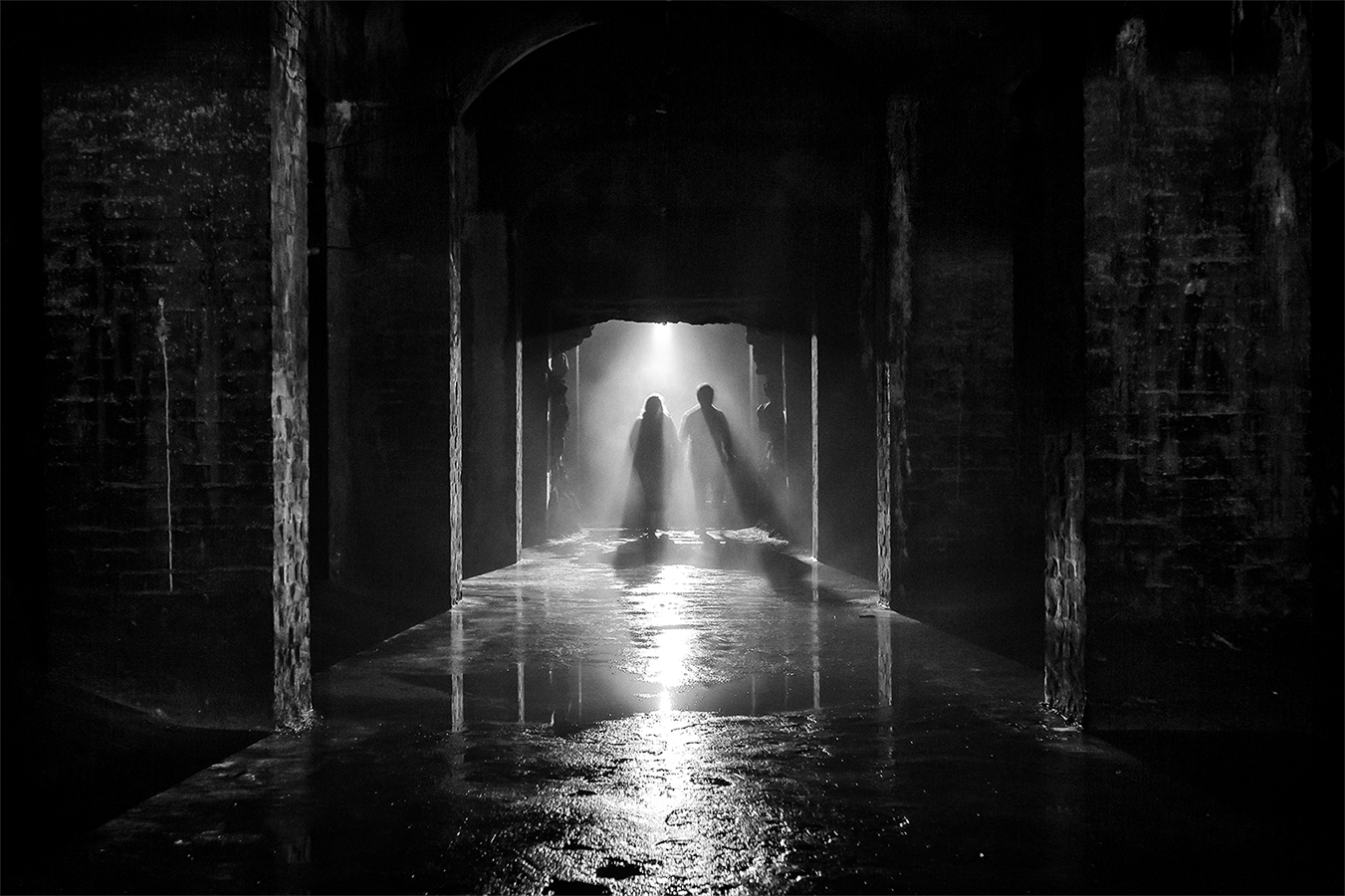
„Partnership...“ by Leif Løndal
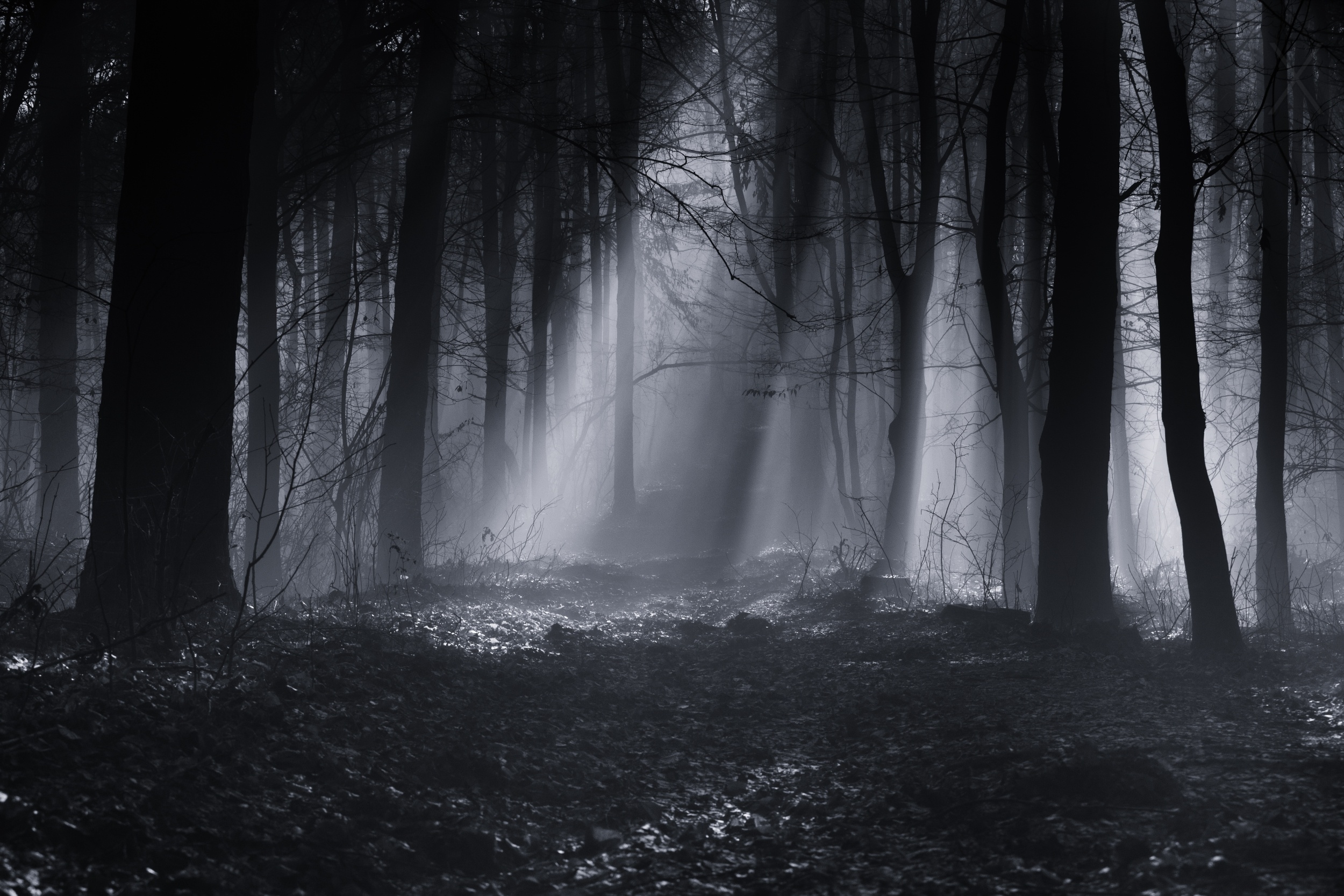
“Capela forest" by Julien Oncete
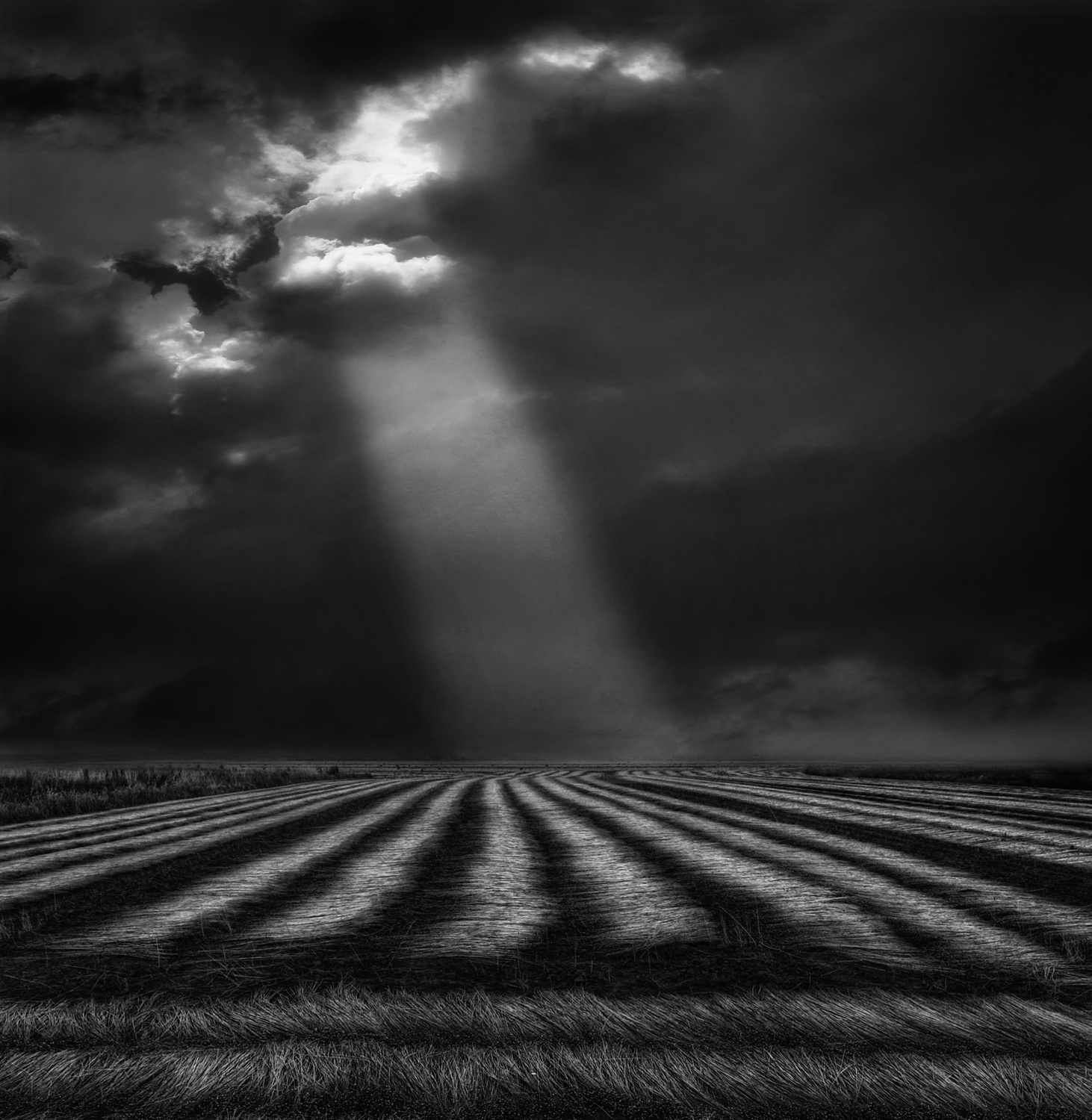
“The secure ground of home ...” by Yvette Depaepe
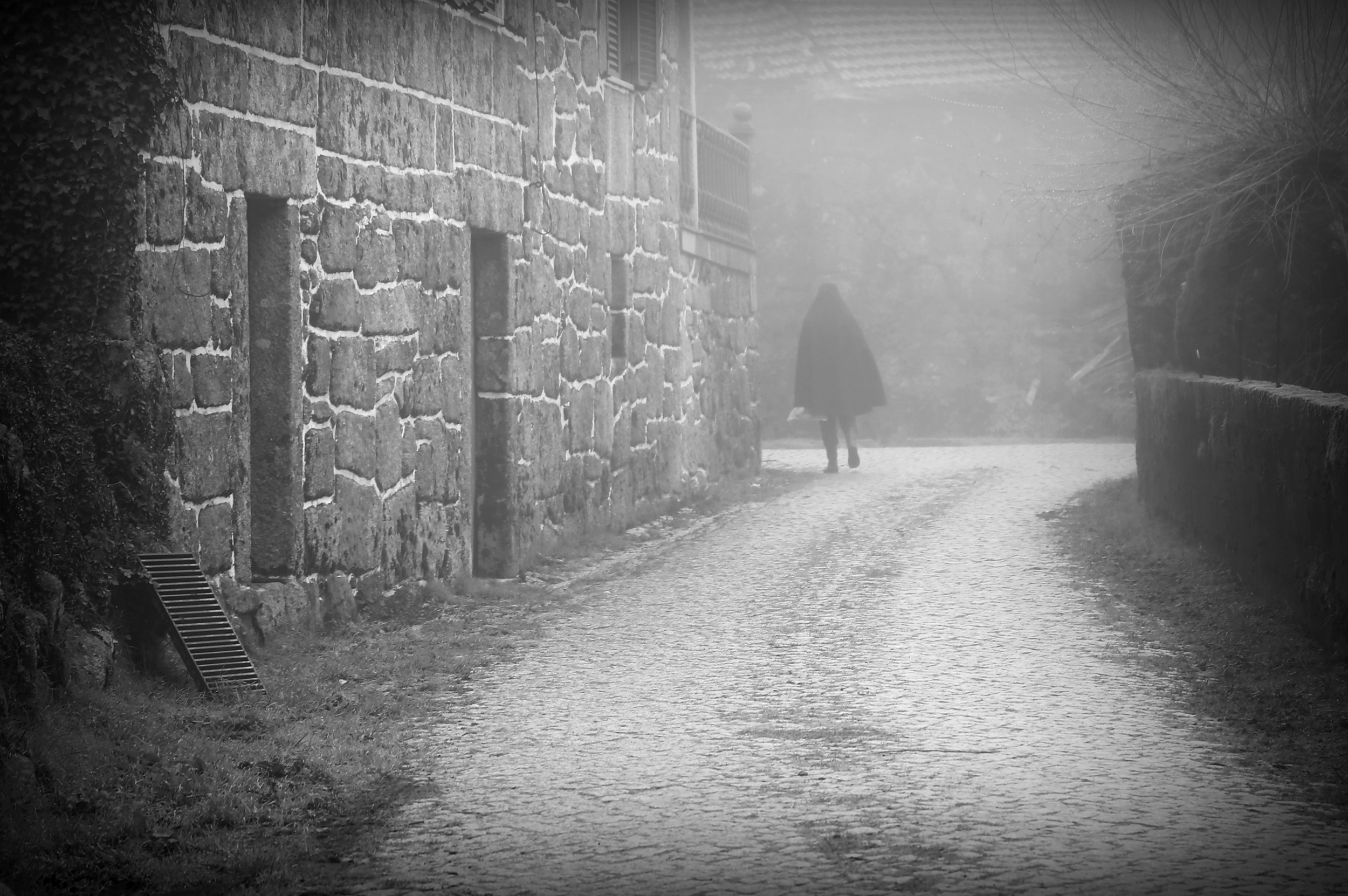
„Cold mountain mornings” by Isabel Daniel
SOLITUDE AND THE SUBLIME
Solitude is the peaceful and chosen state of being alone. The fog becomes a protective sanctuary. The vastness of nature enables the small figure to disconnect from the clamour of everyday life, find peace, and simply exist — free from external expectations.
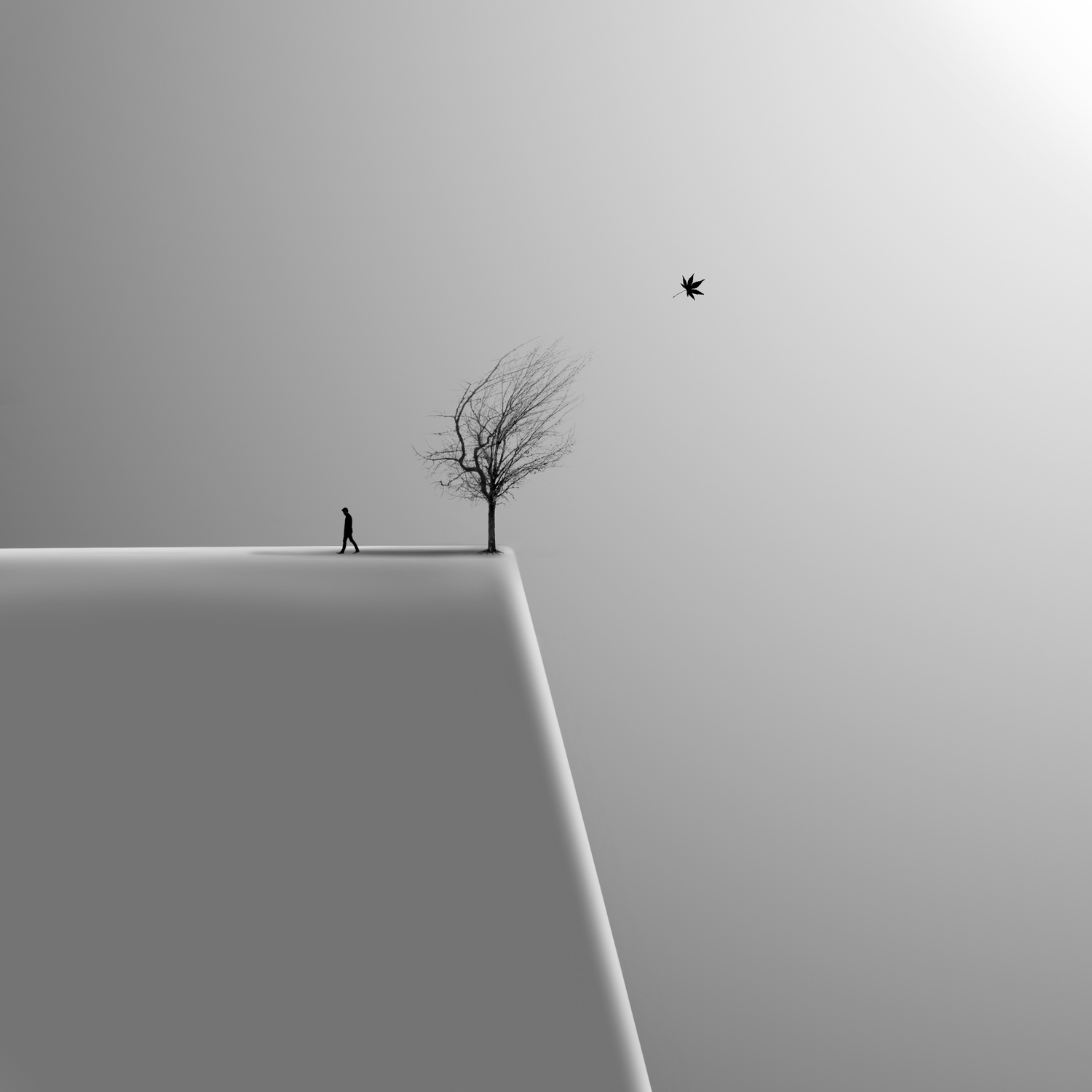
“Renewal” by Hadi Malijani (Malenjani)
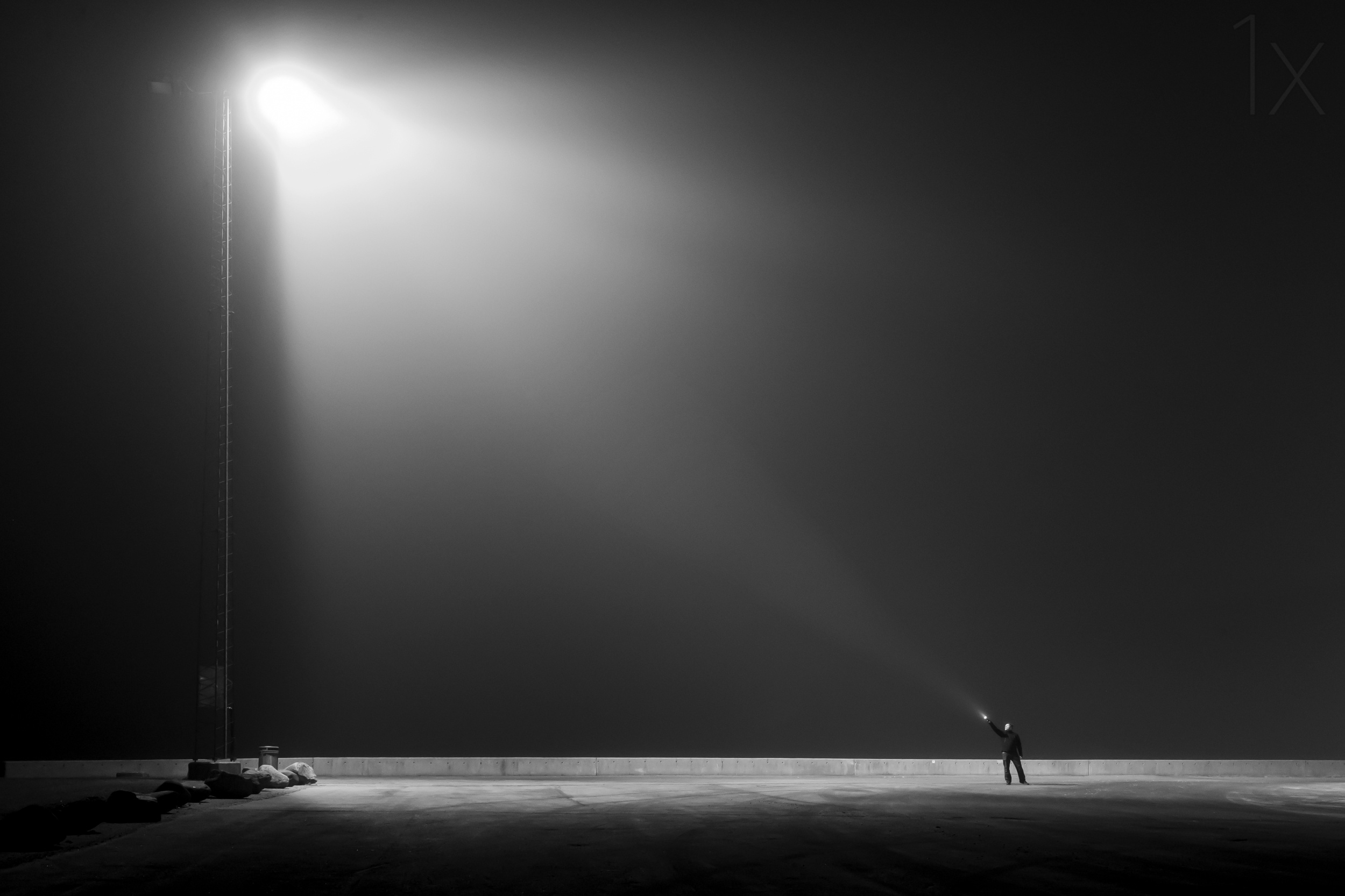
“Big vs smal”l by Leif Løndal
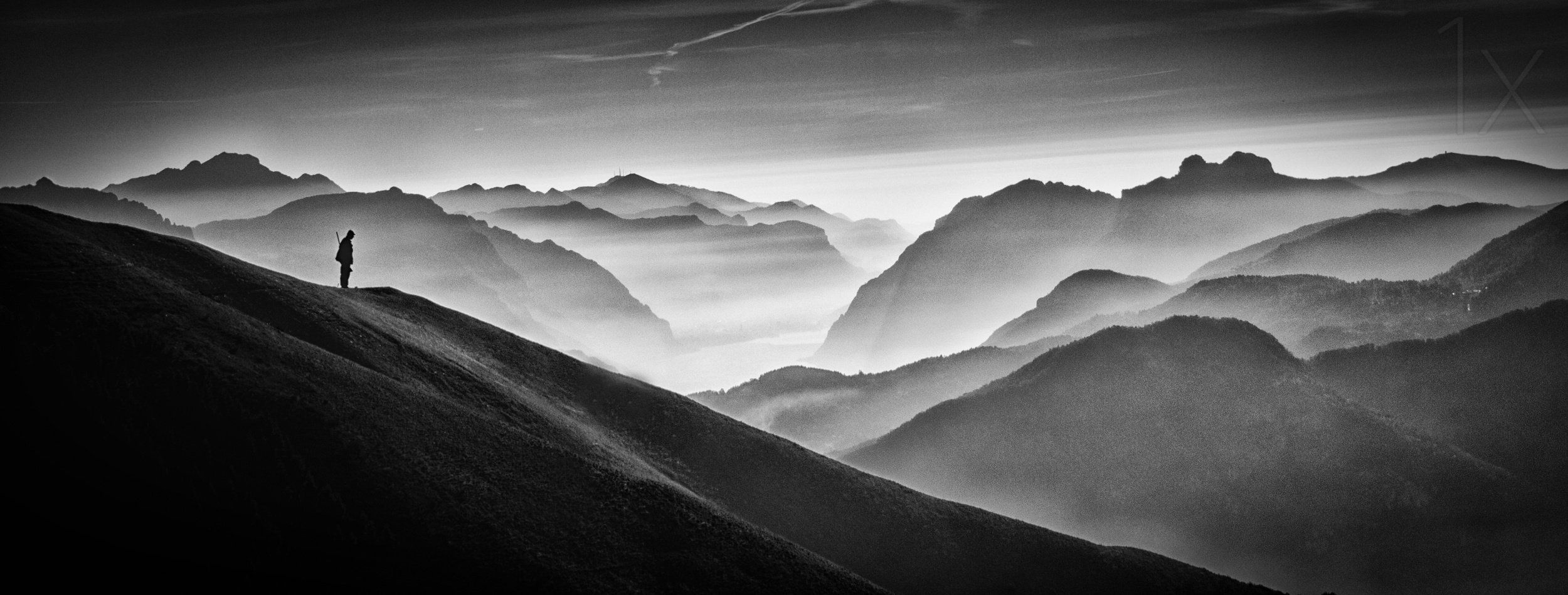
“Hunter in the fog BW” by Vito Guarino
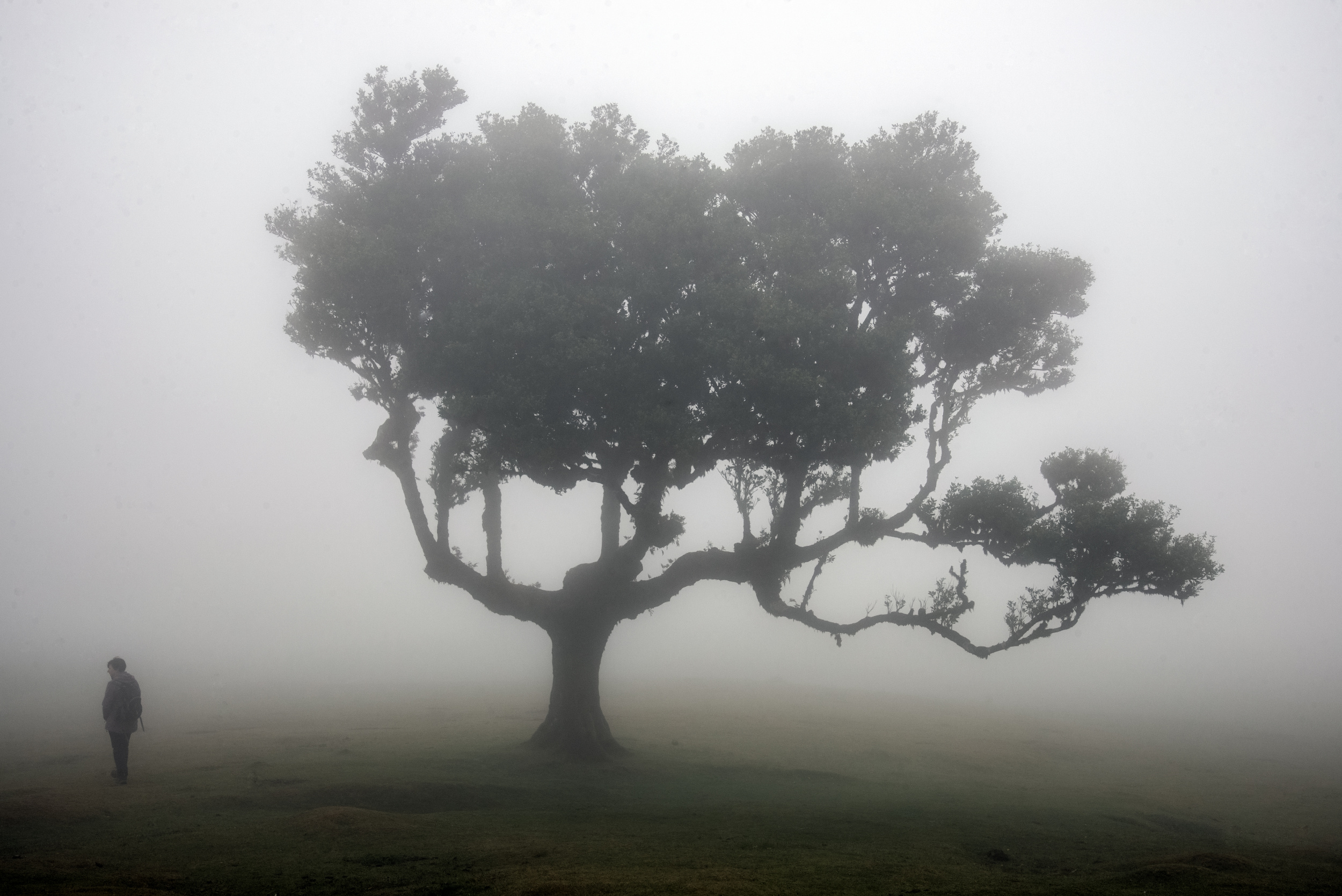
“Lost in Fanal mist” by Miro Susta
The artistic style of the 19th century emphasized the concept of the ‘sublime’ – the sense of awe and slight anxiety inspired by the sheer grandeur of nature. Paintings from this period often depict tiny, solitary human figures gazing at vast, misty mountains, boundless oceans or immense skies, showcasing our smallness in the face of such beauty.
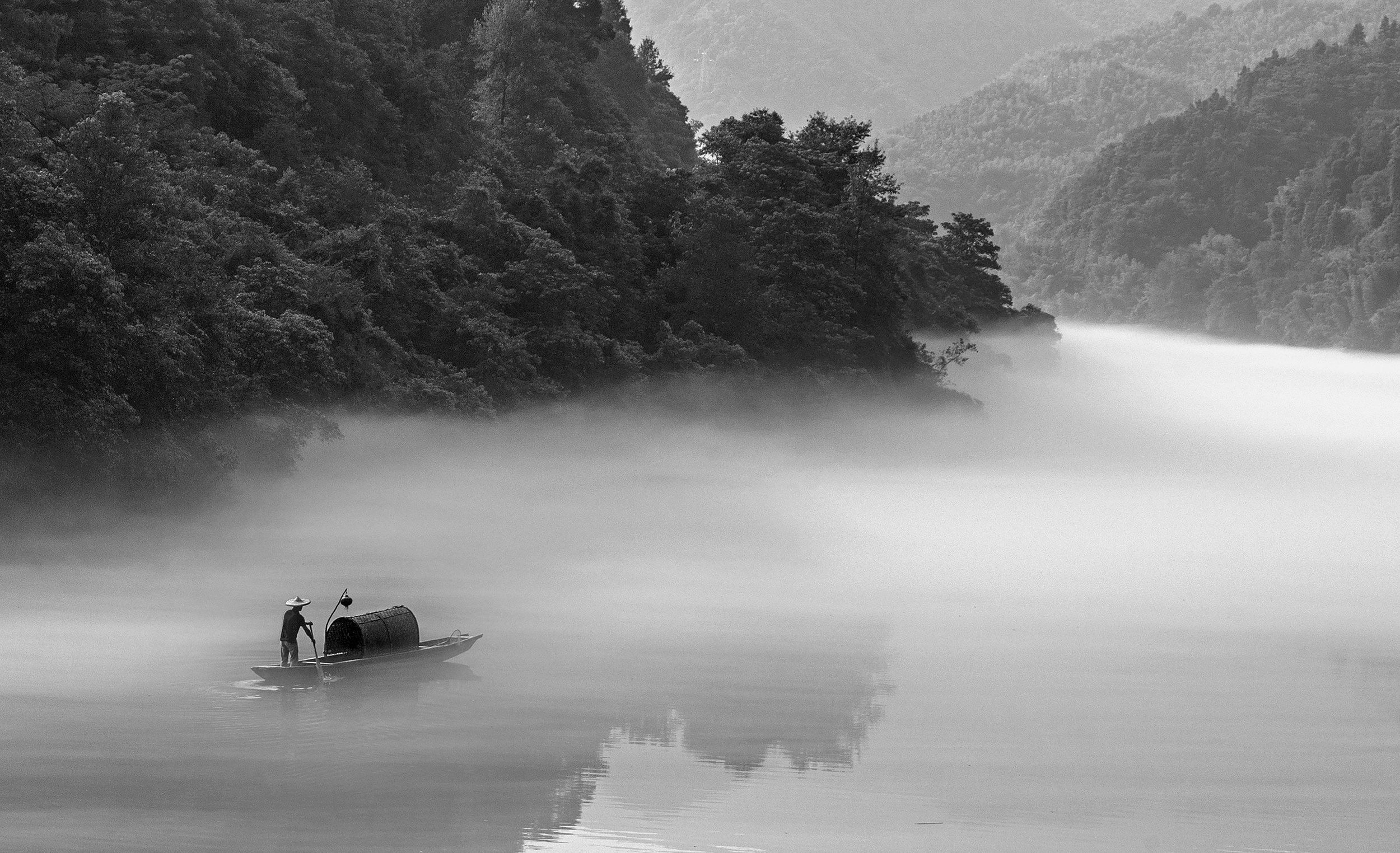
“Misty Morning” by Angela Muliani Hartojo
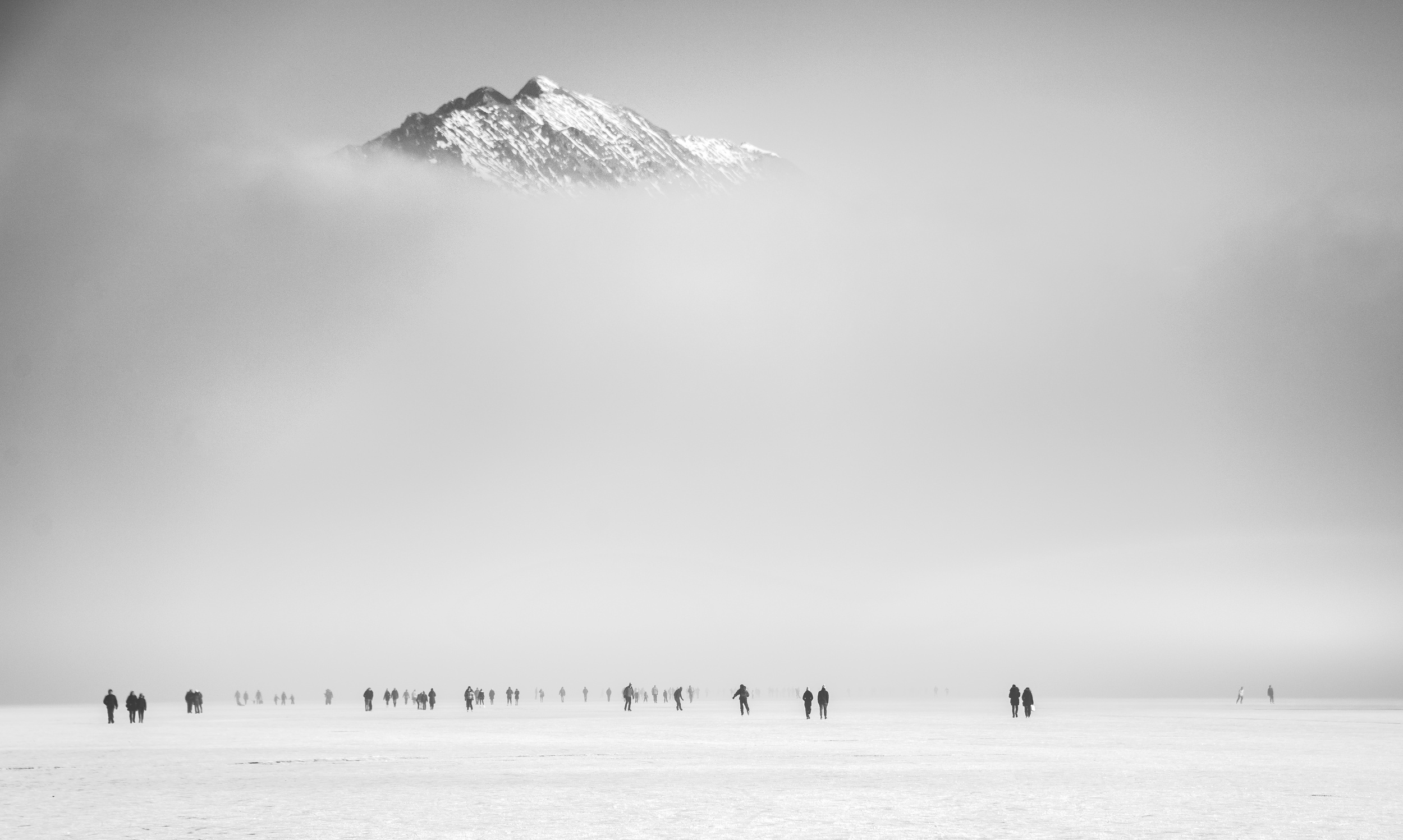
“Under the mountain” by Ales Krivec
We are small; black and white helps us to admit it. In colour, we try to appear important by wearing colourful jackets. In black and white, in the fog and the dust, we are finally the right size. Tiny under a huge light that was there before us.
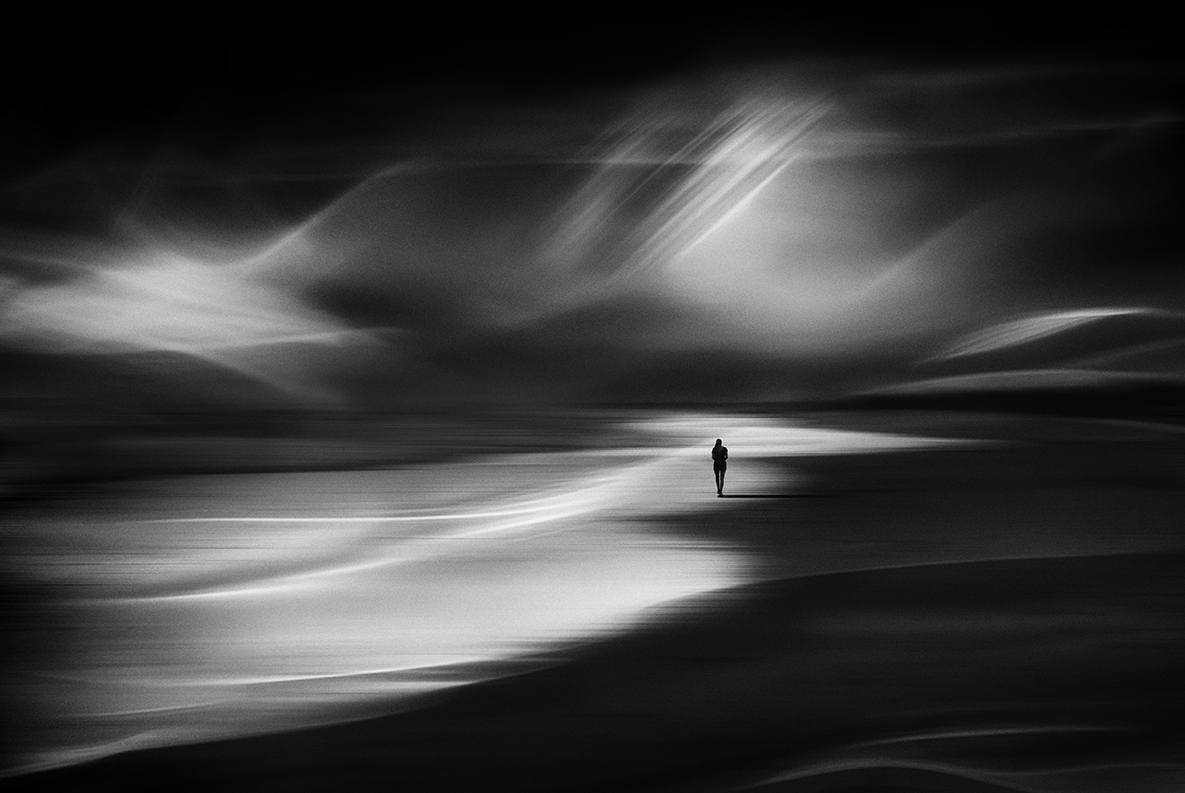
“Manta Rota Beach (Portugal)” by Nieves Bautista
We learned three things. Firstly, white is not empty. Secondly, white is light so strong that it erases everything else. We must look through it. Darkness is not empty either. Darkness is light waiting for a small opening through which to come. We must wait for it. We are not the subject; we never were. People come and go. Buildings last longer, but they disappear too. Light stays.
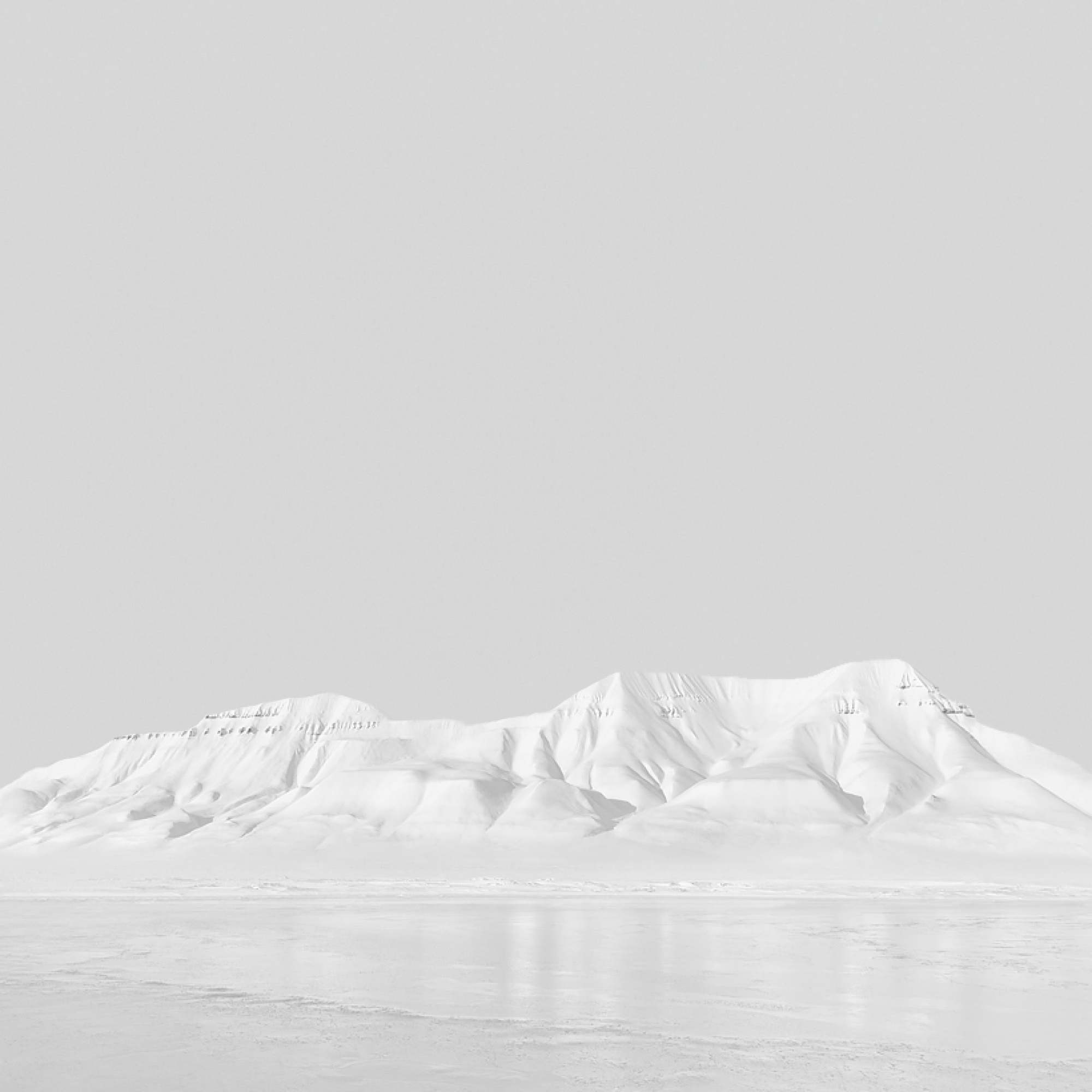
“ARCTIC SILENCE 13” by Patrick Ems
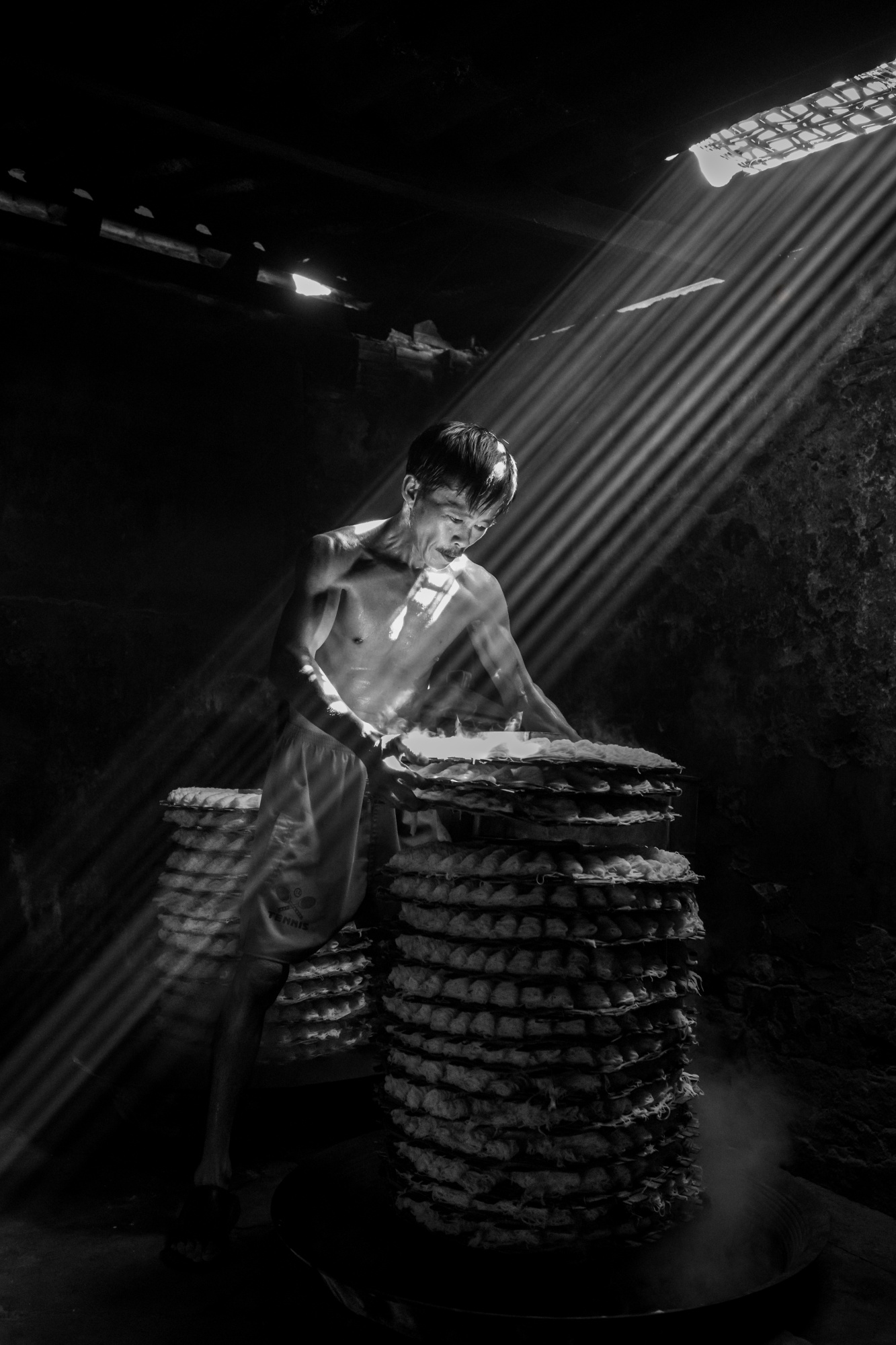
“No.616” by ADIREK M
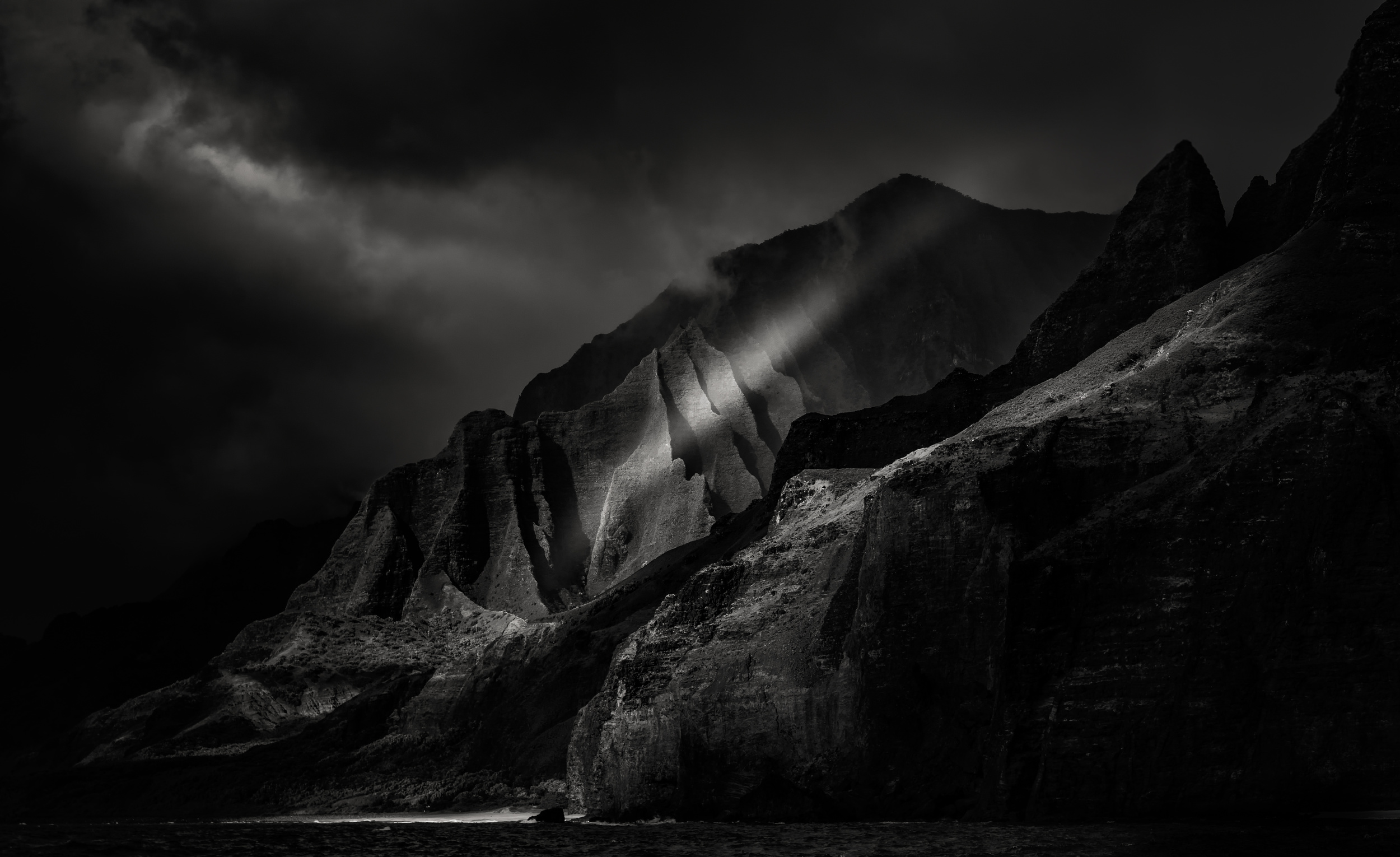
“Connected” by Andreas Agazzi
The photographs in this article are in black and white because light has no colour; it only has intensity.
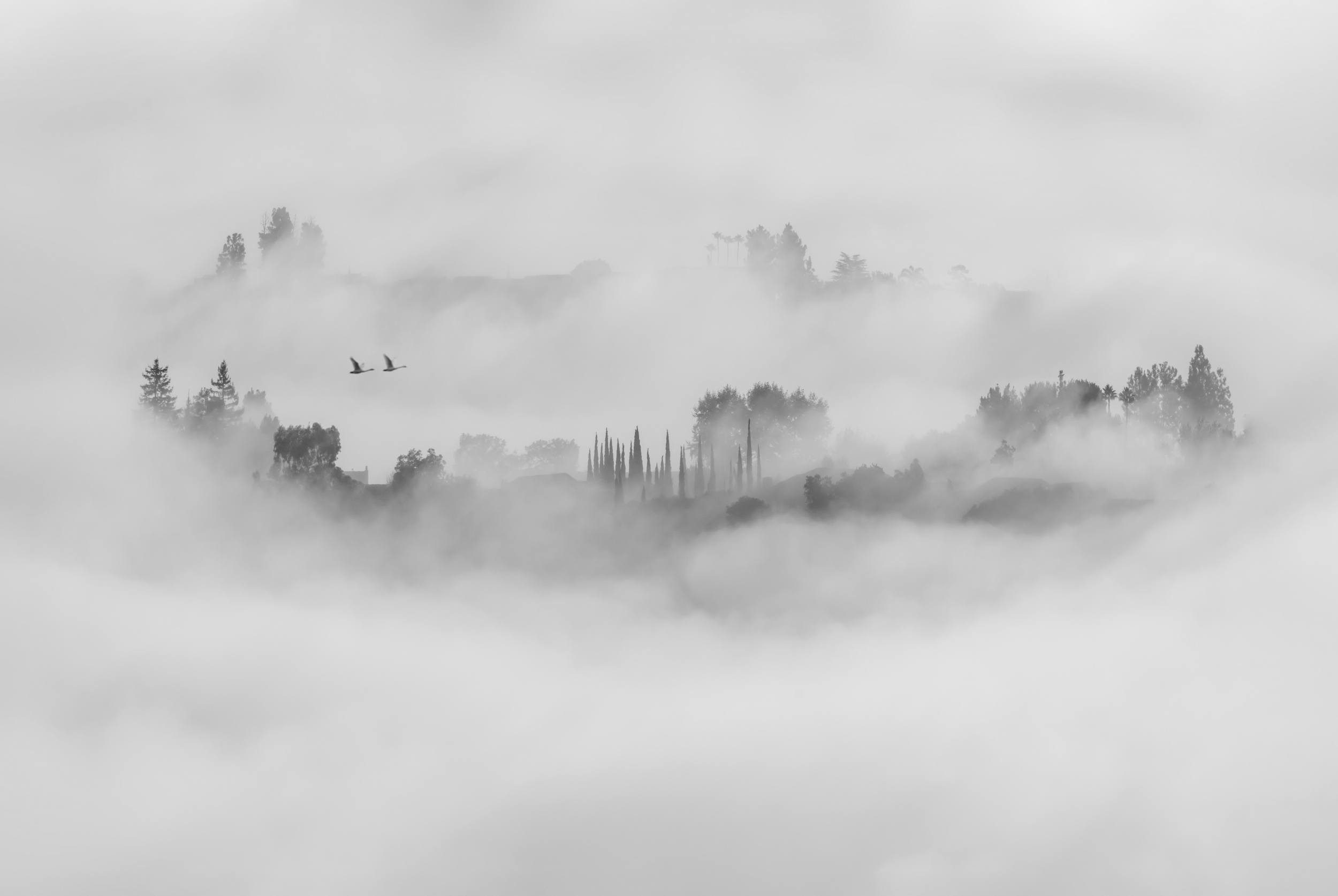
“Foggy Morning in Los Angeles” by Jay Wang
Sometimes it is as gentle as mist, at other times as sharp as a knife piercing through the dust.
It is just enough to show us how small we are in this vast, bright world.
This smallness is not sad; it is beautiful.
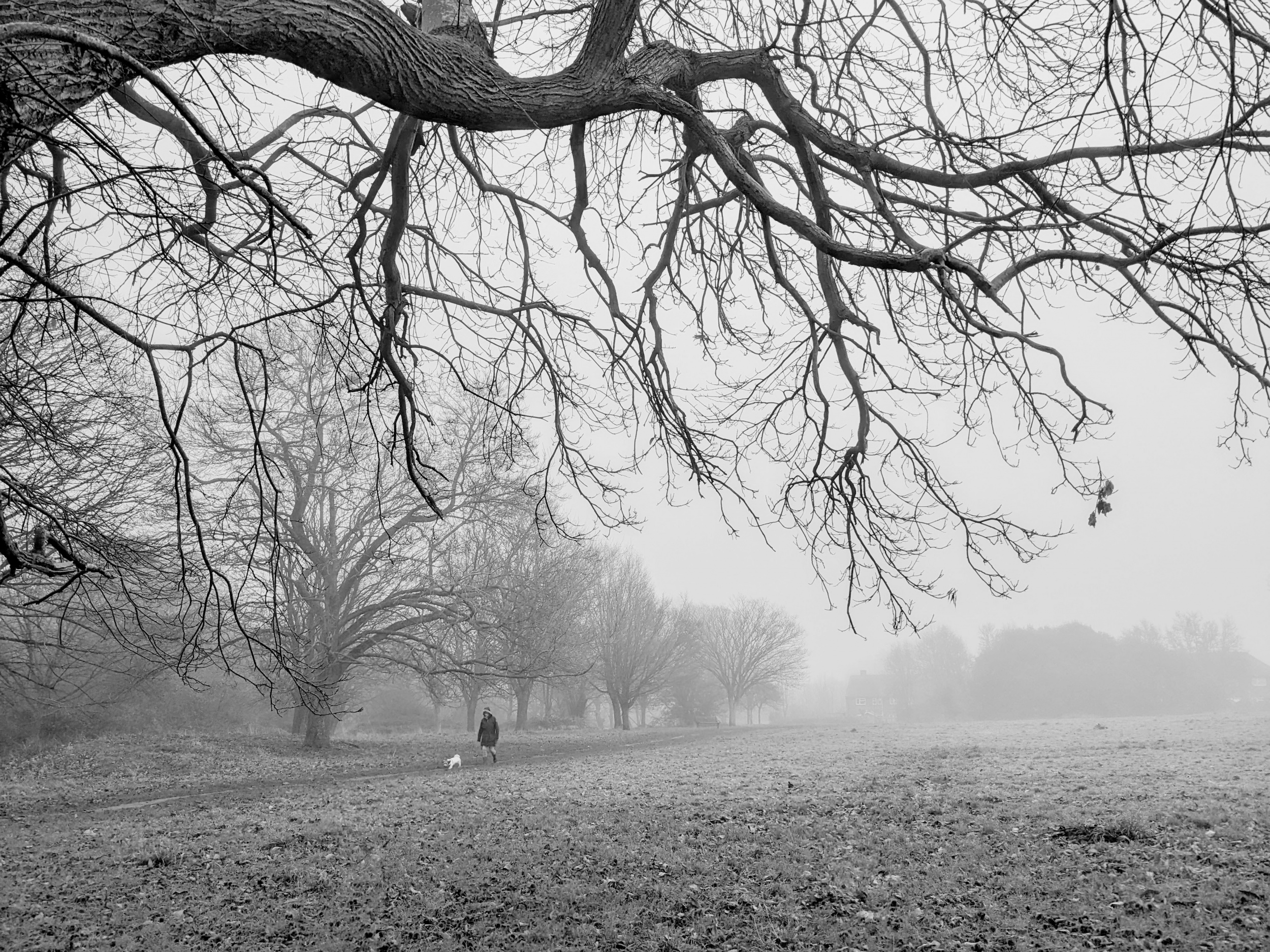
“Field and Forest in Fog” by Elizabeth Allen
 | Write |
 | Steven T CREW Miro and Yvette, Good photographs to illustrate the concepts presented in the article. Lots to think about. Thank you! |
 | Miro Susta CREW Many thanks Steven, much appreciate your comment. |
 | Emel Sefer PRO Great article and great images. Congratulations. |
| Miro Susta CREW Thank you very much Emel. |
 | Yaping Zhang PRO 祝贺这里所有艺术家,亲爱的Miro和亲爱的Yvette,非常感谢你们带来鼓舞人心的精彩文章和杰出精美的黑白艺术作品。 |
| Miro Susta CREW Thank you very much dear Yaping |
 | Eiji Yamamoto PRO Dear Miro and dear Yvette, thank you so much for the truly inspiring article with great and beautiful photos! |
| Miro Susta CREW Many thanks for your wonderful words of encouragement dear Eiji |
 | Jay Satriani PRO This article holds a profound meaning regarding light for me—one that is difficult to fully articulate. Three specific works have deeply resonated with my understanding of light—light that seems to hide within the brightness itself: the work of Patrick Ems, the work of Ales Krivec, and "ARCTIC SILENCE 13" by Patrick Ems...
In photography, light illuminates the visible, whereas in spirituality, light helps us understand our inner experiences and reflections. When the two converge, a photograph transcends the mere recording of reality; it becomes a space for contemplation—a place where each person discovers meaning in alignment with their own inner journey. Many thanks to editor Miro Susta and my senior friend Yvette Depaepe—you are amazing—as well as all the 1x artists who have inspired me so much. Warm regards. |
| Miro Susta CREW Dear Jay, we really appreciate your wonderful comment to our article and accompanying photographs, the control and light management is very important in photography, we hope that this article will assist many photographers to understand importance of light in photo work and to improve in the future, |
 | Angelika Vogel PRO A fabulous portfolio with expressive B&W images! Congratulations to all of the artists here and thank you very much Miro and Yvette! |
| Miro Susta CREW Thank you very much dear Angelika, glad to see that you like it |
 | Matt jesshope PRO A very well written and inspiring article. Some great images too. |
| Miro Susta CREW Thank you very much dear Matt |
 | NIKA PRO Beautiful black-and-white photographs. Black-and-white photography, with its mood and interplay of light, is what truly touches my soul. Thank you so much! |
| Miro Susta CREW We are very happy that you like it, thank you very much dear Nika |
| Miro Susta CREW We are very happy that you like it Nika, thank you for your wonderful comment |
| Miro Susta CREW Thank you very much dear Nika, glad to see that you like it |
 | joanaduenas PRO Carefully selected images introduce us to the vast realm of monochromatic imagery, accompanied by perfect explanations—thank you very much! |
| Miro Susta CREW Thank you very much for your wonderful words of praise dear friend |
 | Francisco Villalpando PRO Great article with inspiring narrative and wonderful images, congratulations! |
| Miro Susta CREW Thank you very much dear Francisco, glad to see that you like it |
 | Jorge Ribeiro Lume PRO Thank you for your work: superb images! |
| Miro Susta CREW Many thanks Jorge |
 | Patrick Compagnucci PRO Superb images and article, many thanks! |
| Miro Susta CREW Thank you very much dear Patrick |
 | Montserrat Alviani PRO An excellent and inspiring article. Thank you for sharing it. Best regards. |
| Miro Susta CREW Thank you very much for your wonderful words of encouragement dear Montserrat |
 | Susi PRO What an interesting article. The selection of photos is fantastic. Many thanks to Miro and Yvette. |
| Miro Susta CREW Great thanks for your wonderful words of praise dear Susi |
 | Elizabeth Allen CREW This is a wonderful article with a superb collection of photos. I am honoured that one of mine is among them. Thank you so much, Miro and Yvette. |
| Miro Susta CREW Thank you very much for nice words of praise dear Elisabeth, and many thanks for your wonderful photo |
 | Kenichi Higashiyama PRO Thank you for featuring my work at the top of the magazine. I also found the content very interesting to read. |
| Miro Susta CREW Many thanks for nice words of praise dear Kenichi, glad to see that you like it |
 | Izabella Végh PRO Bellissimo articolo, ringraziando anche le fotografie eccellente. |
| Miro Susta CREW Cara Izabella grazie mille per il tuo bel commento, lo apprezzo molto |
by Editor Jane Lyons
Edited and published by Yvette Depaepe, the 25th of September 2026
🎶 "Good Morning Star Shine
The Earth Says Hello”
Hair, the musical
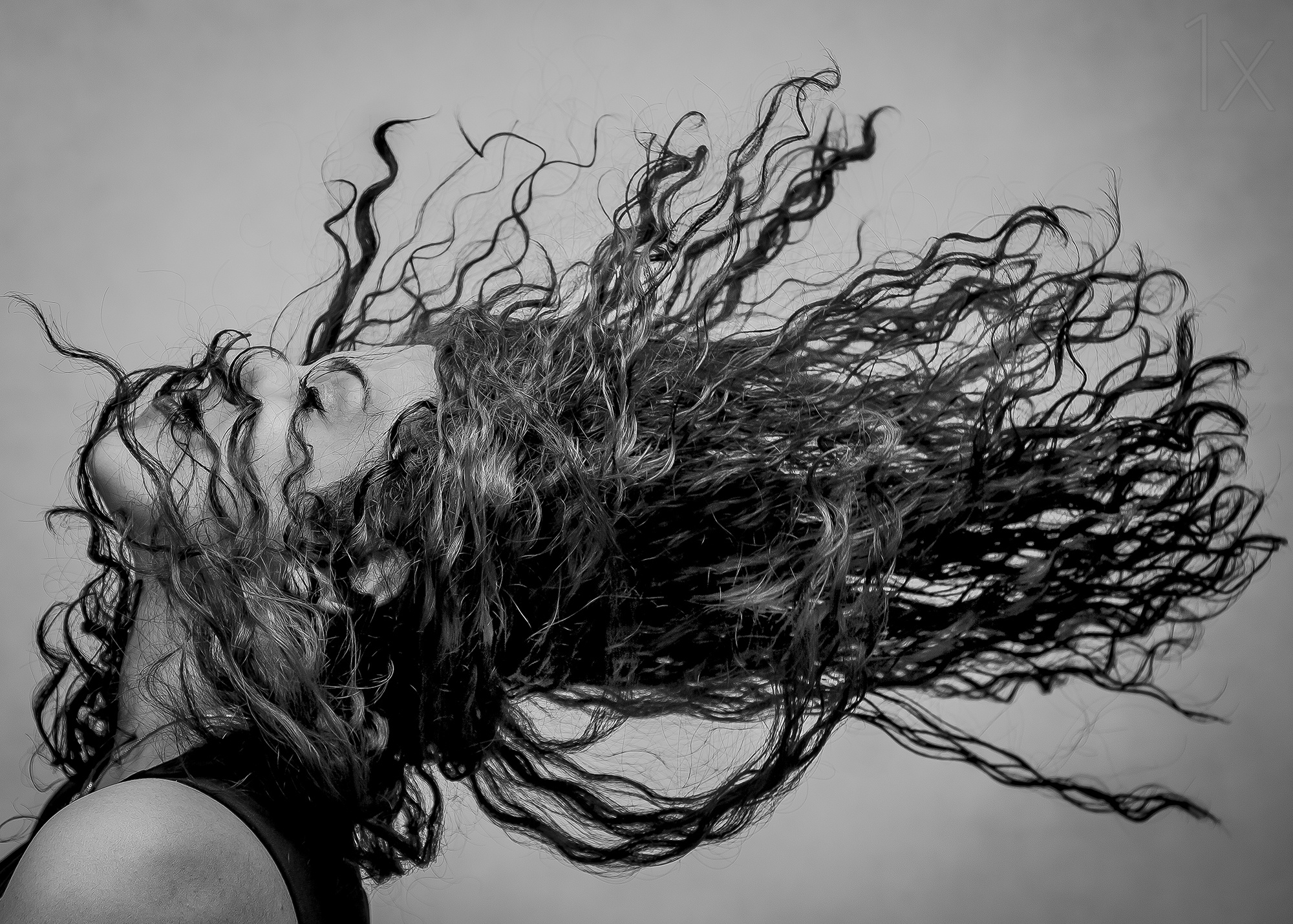
“Wave” by Vahid Varasteh
We grow it.
Cut it.
Curl it.
Color it.
Hide behind it.
Show it off.
It can be elegant, unruly, ridiculous, beautiful—and occasionally it isn't hair at all.
Photographers, naturally, notice.
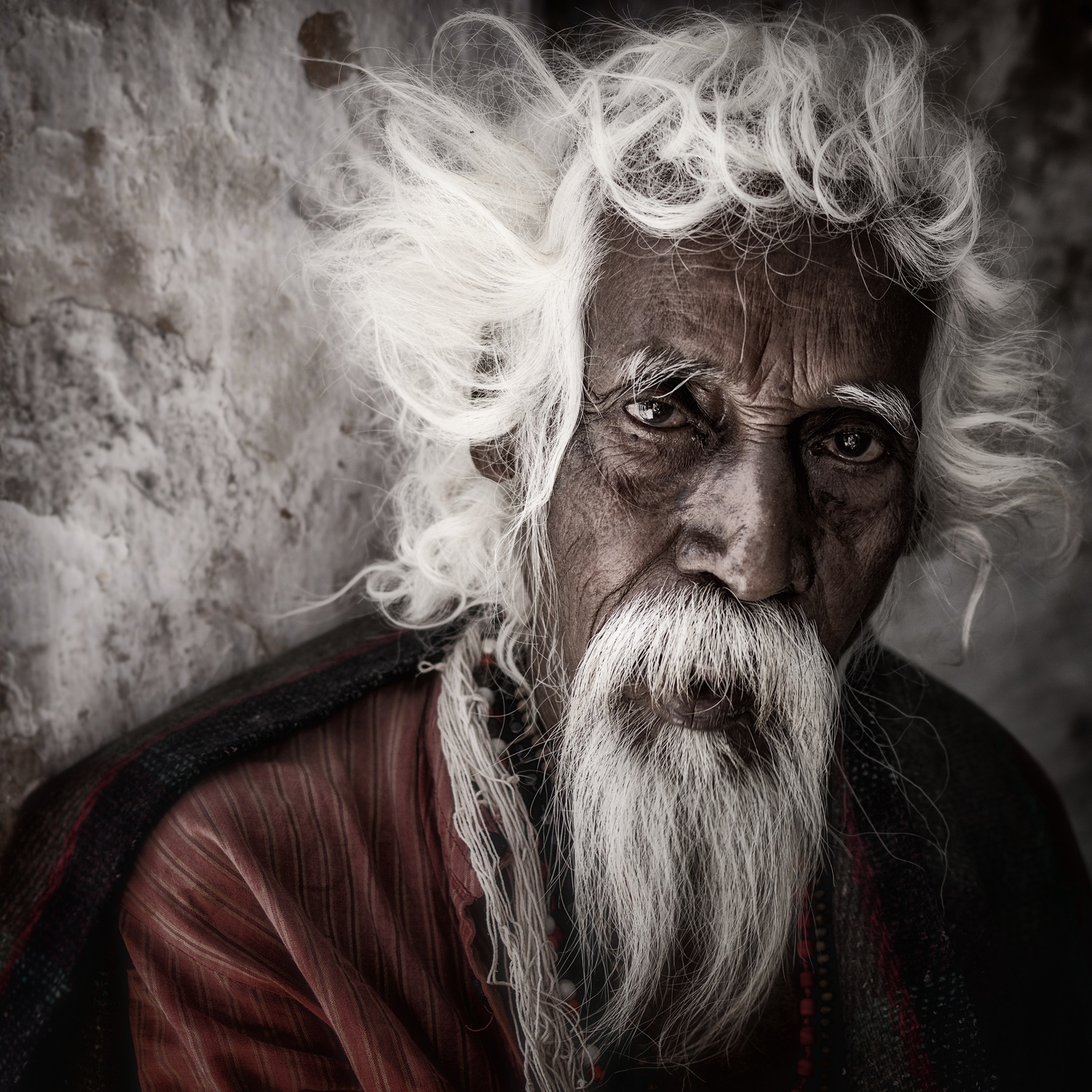 “man from the shadows” by Pavol Stranak
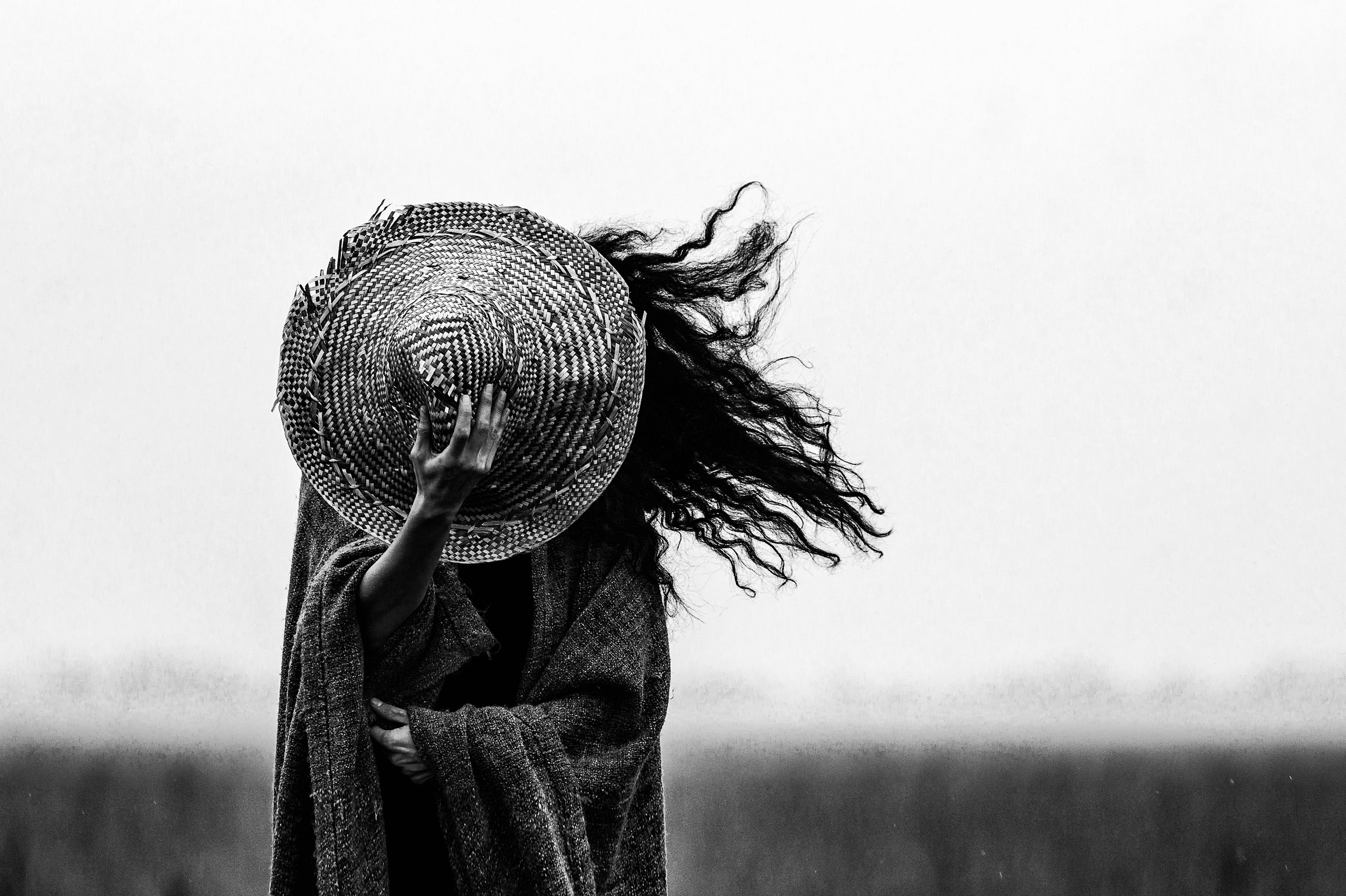
“BW mood, portrait” by Mikhail Potapov
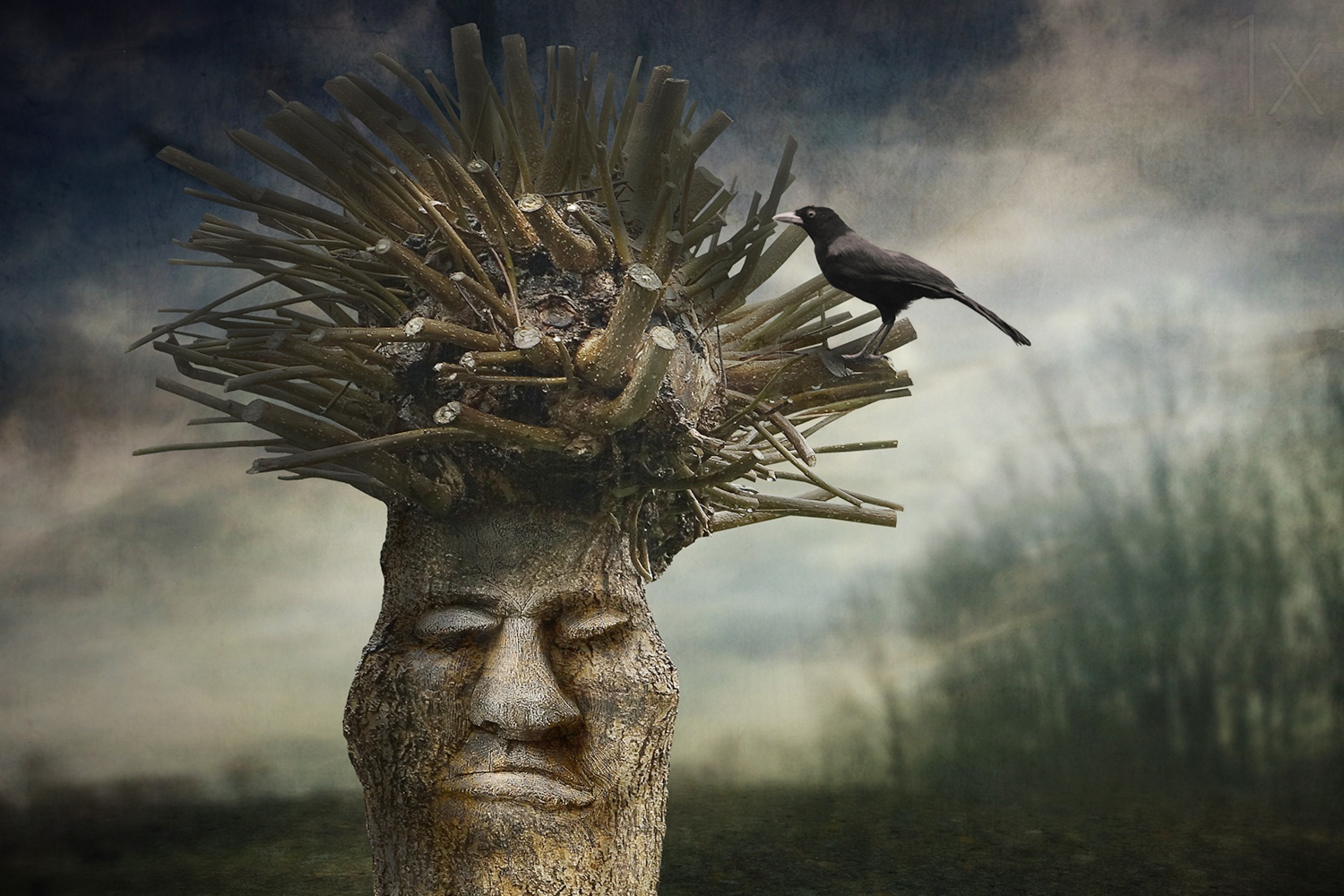 "Punk Winter" by Ben Goossens †
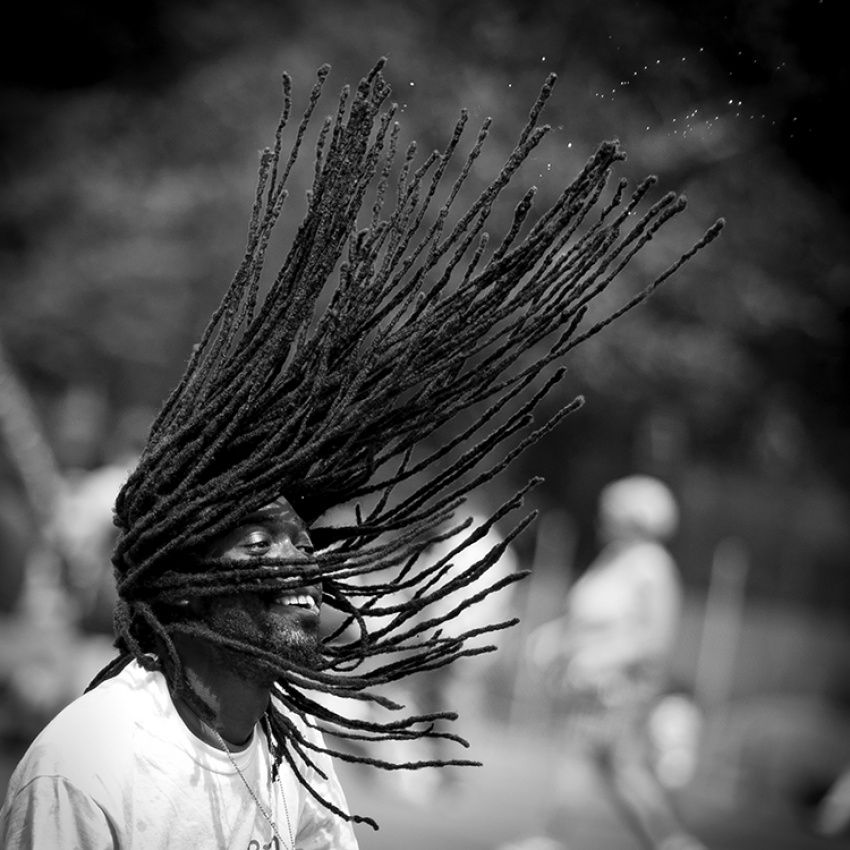 “untitled” by Steve Hill
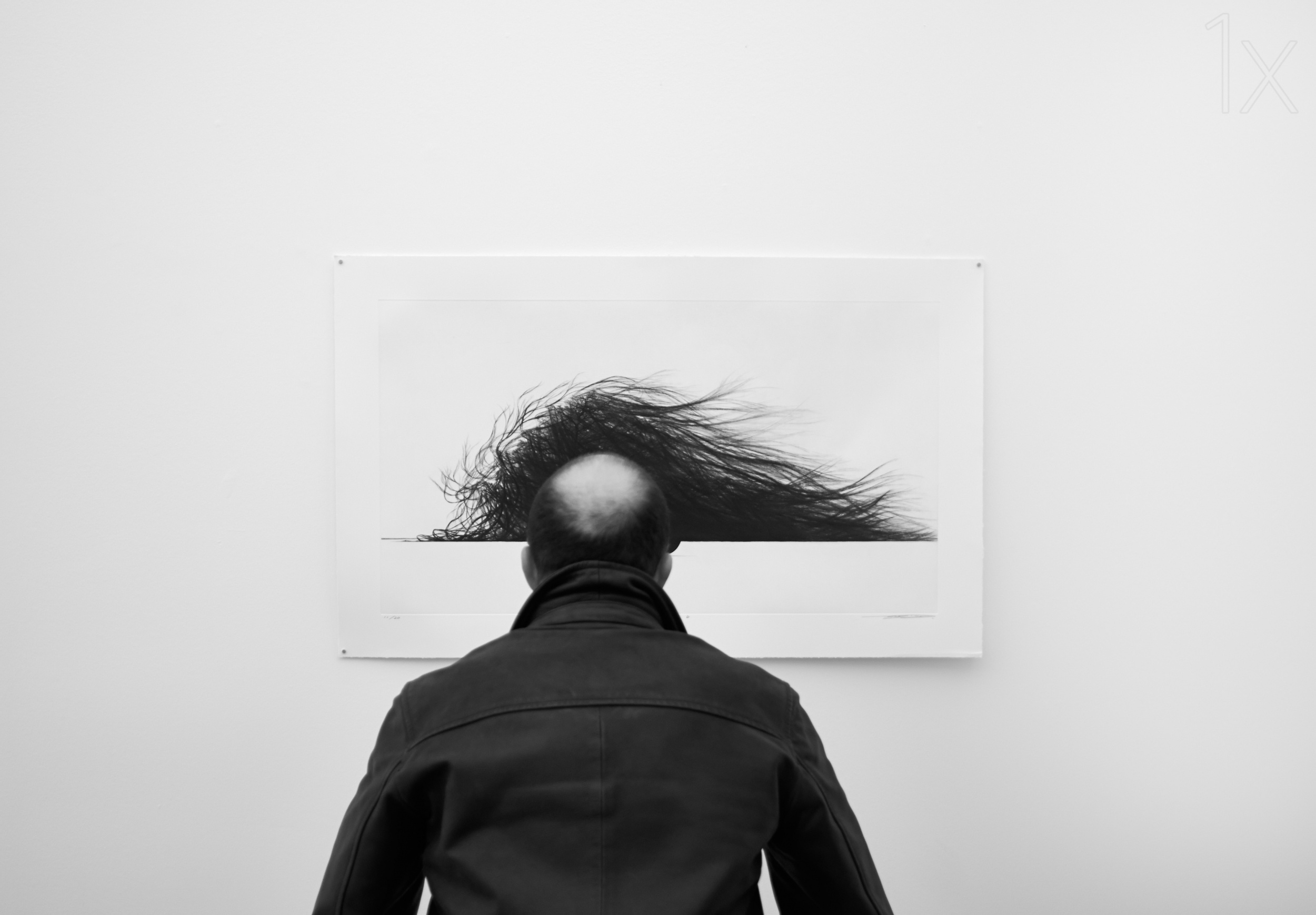
“Wig” by Jorge Pena
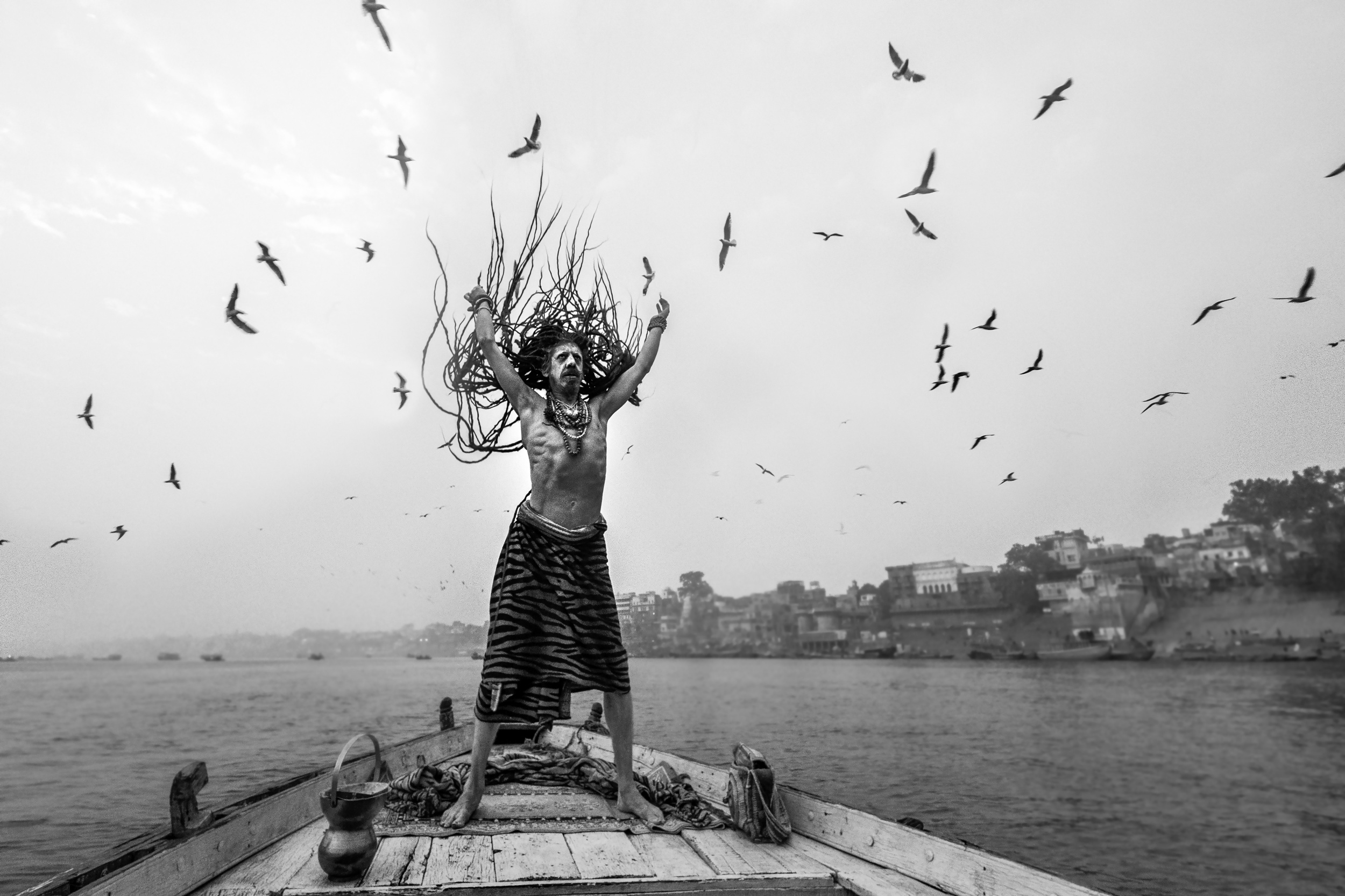
“Naga Sadhu” (Varnasi) by Prithul Das
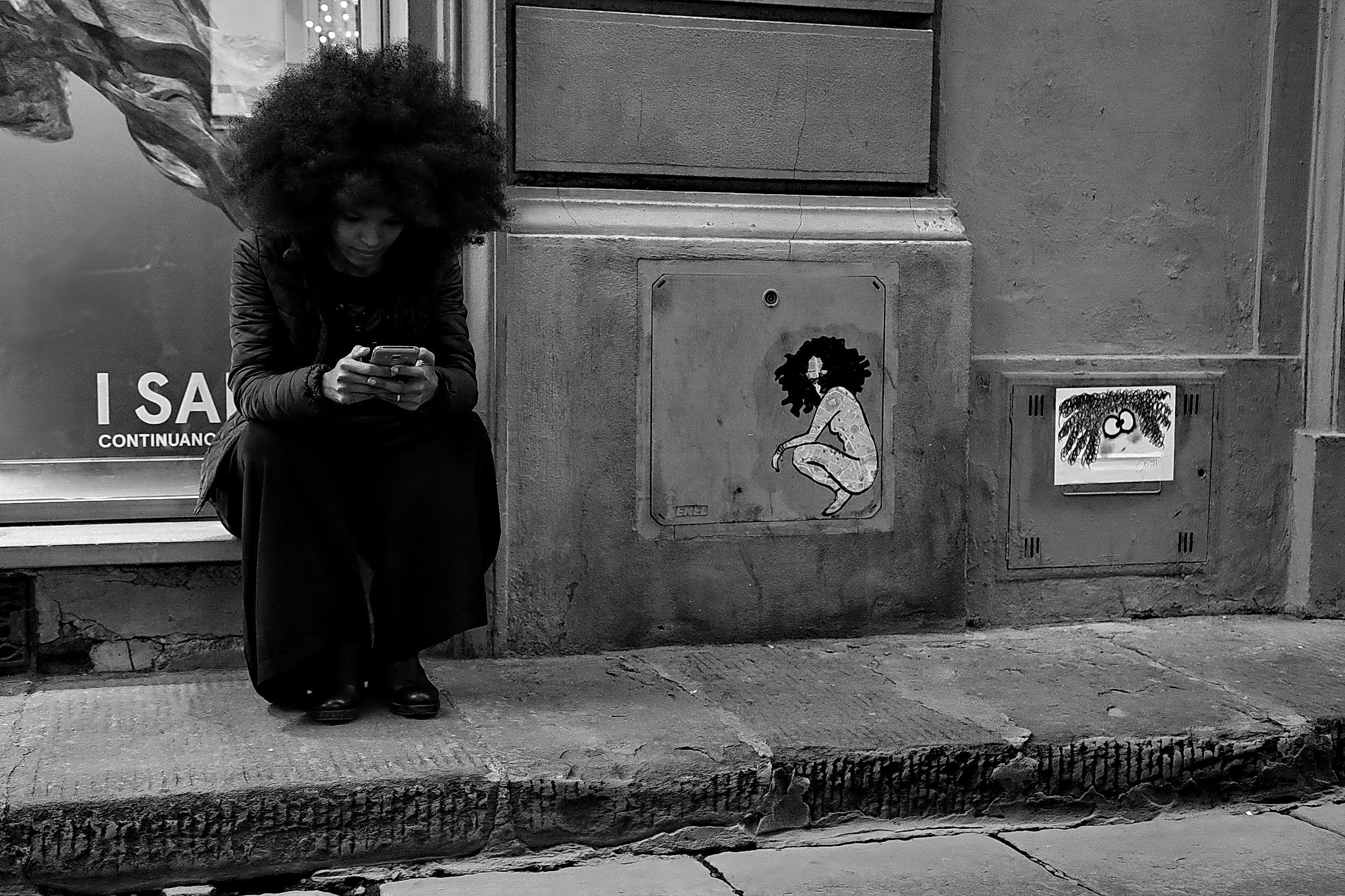
“Hair” by Francesco Martinelli
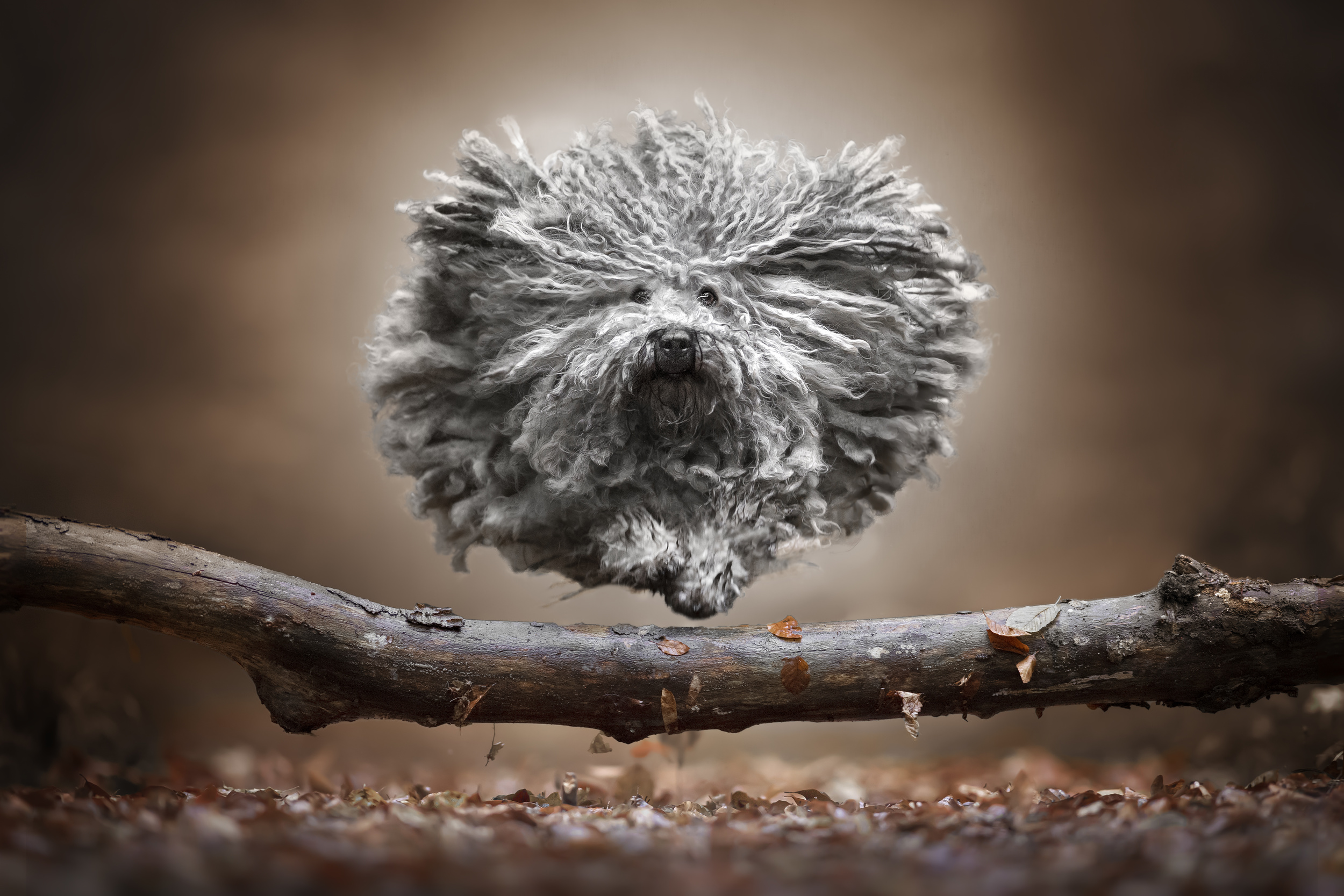
“Peppi in action” by Claudio Piccoli
Hair refuses to sit still.
Wind catches it.
Water lifts it. Light finds it.
A photographer freezes it for a fraction of a second—and somehow it still seems to move.
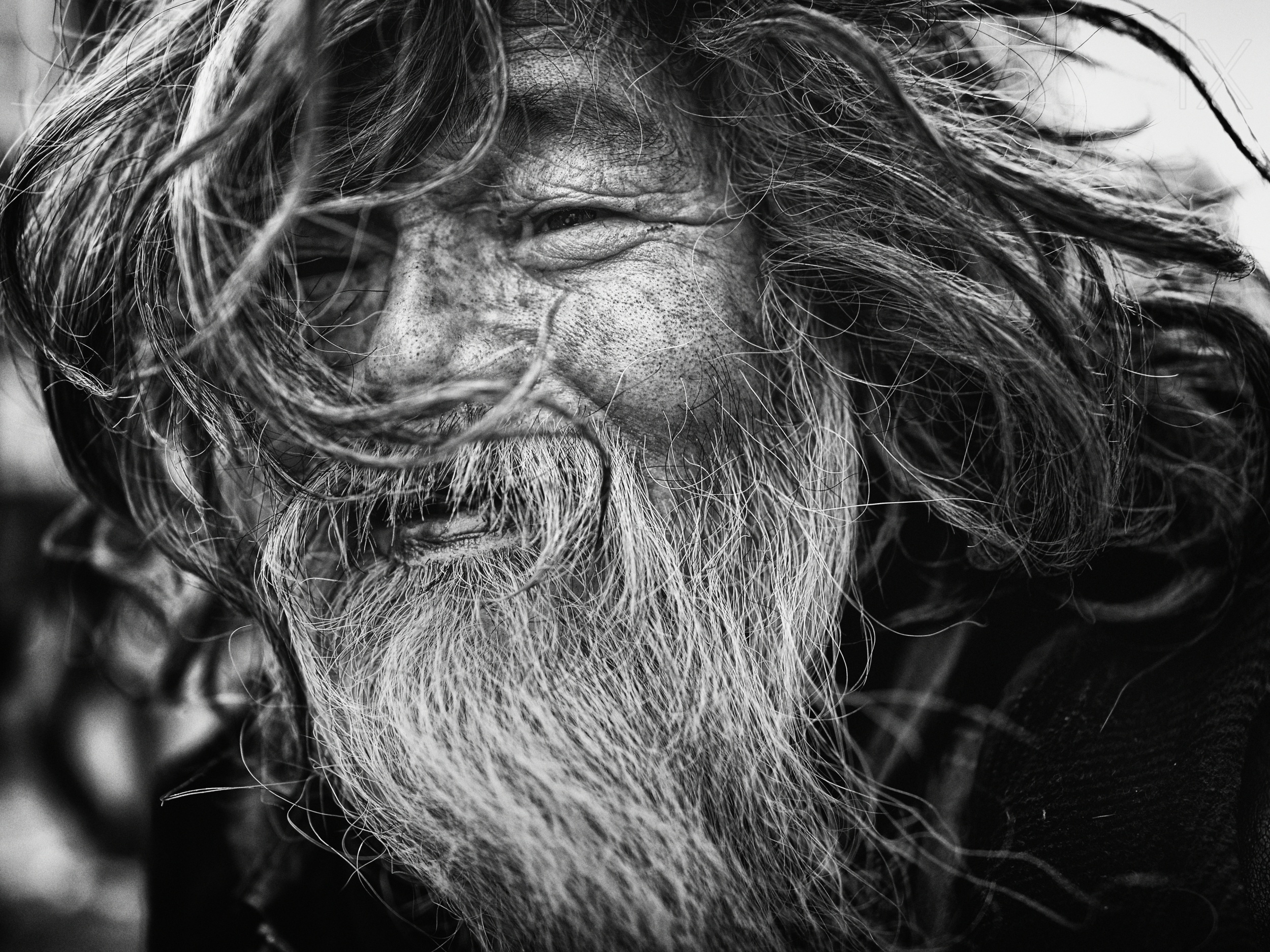
“Portrait” by Tatsuo Suzuki
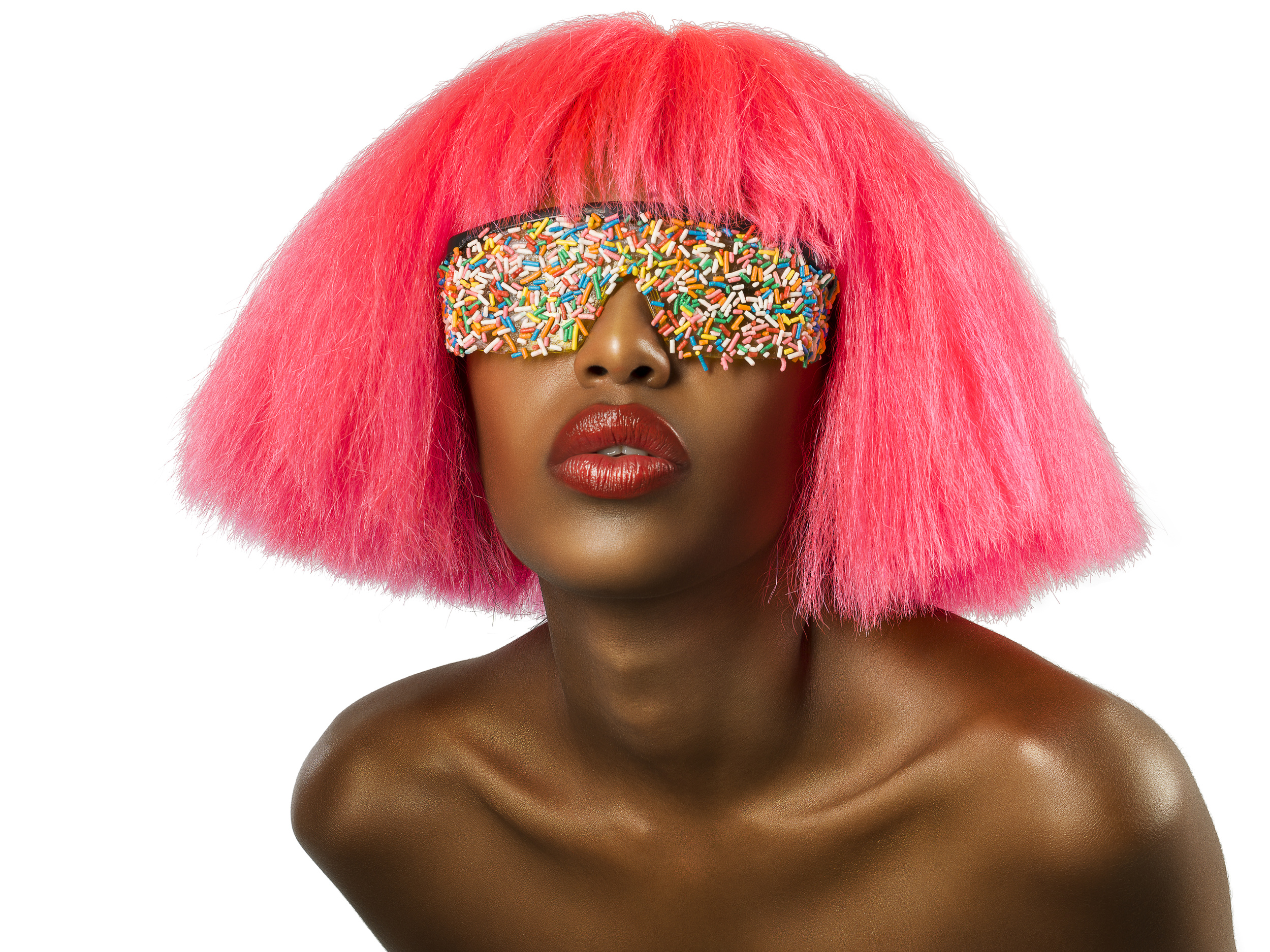
“Candy Eyes” by Jackson Carvalho
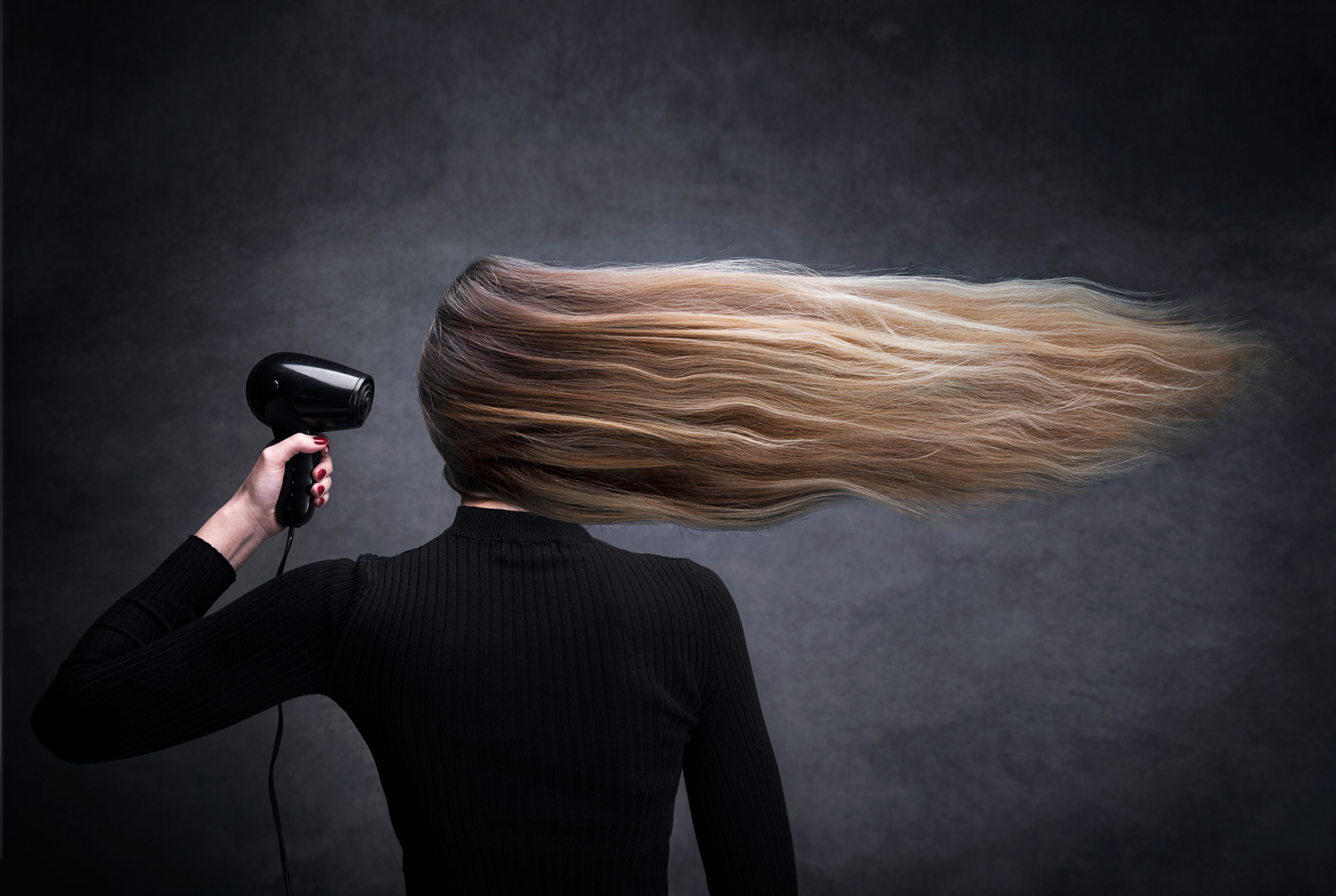
“Hair” by Stefan Csontos
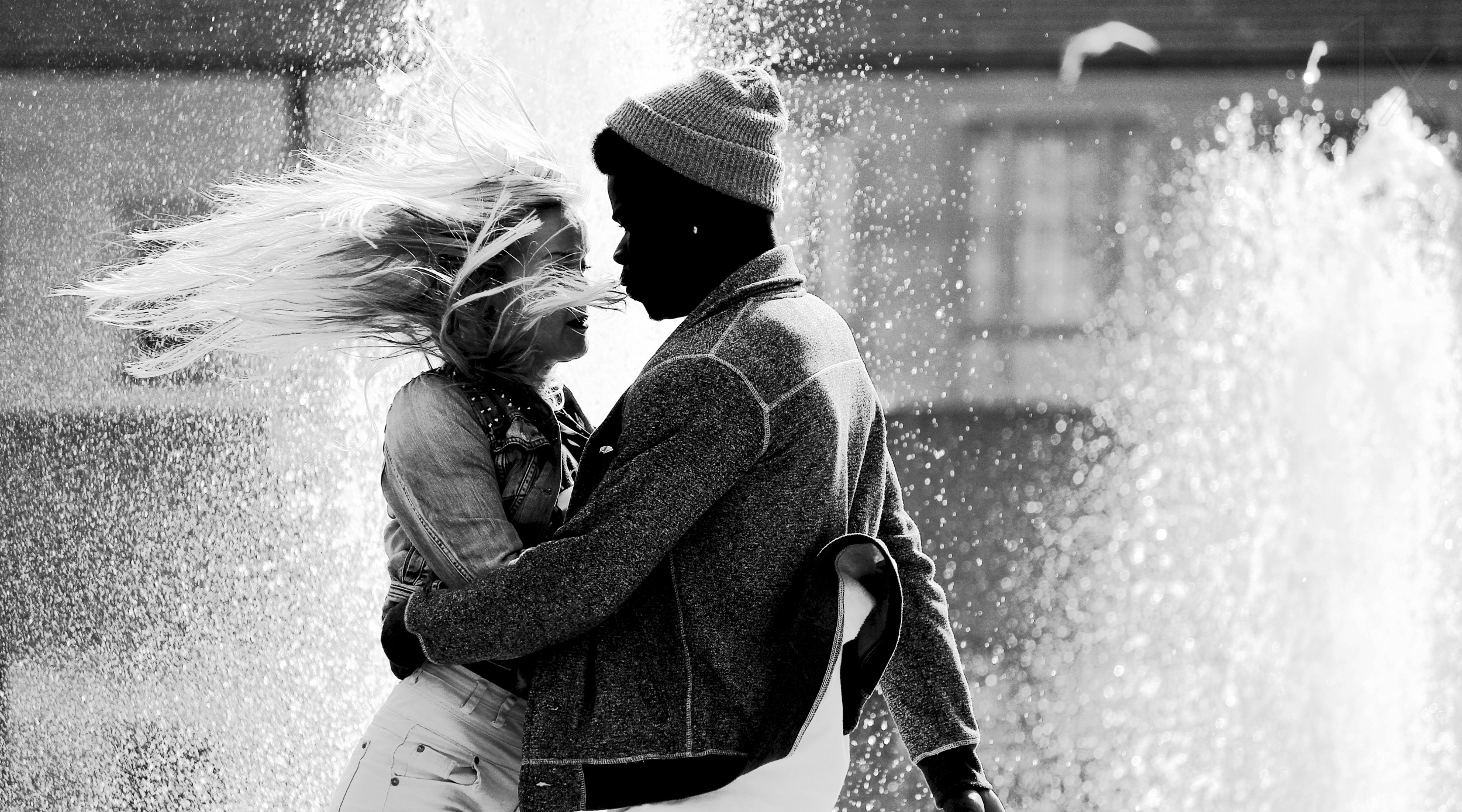
“Street Dancer” by Jian Wang
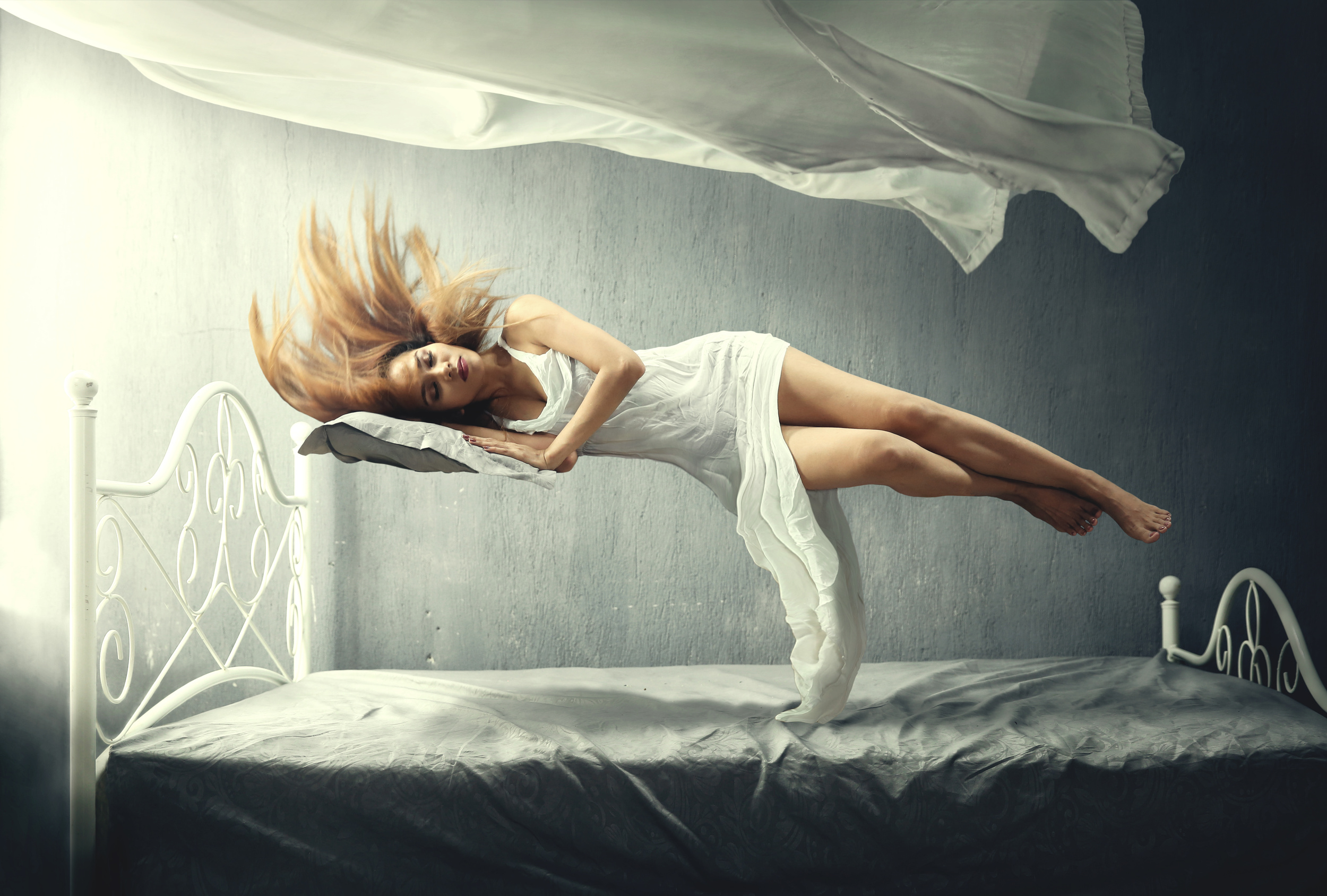
“Sleeping Beauty” by Sebastian Kisworo
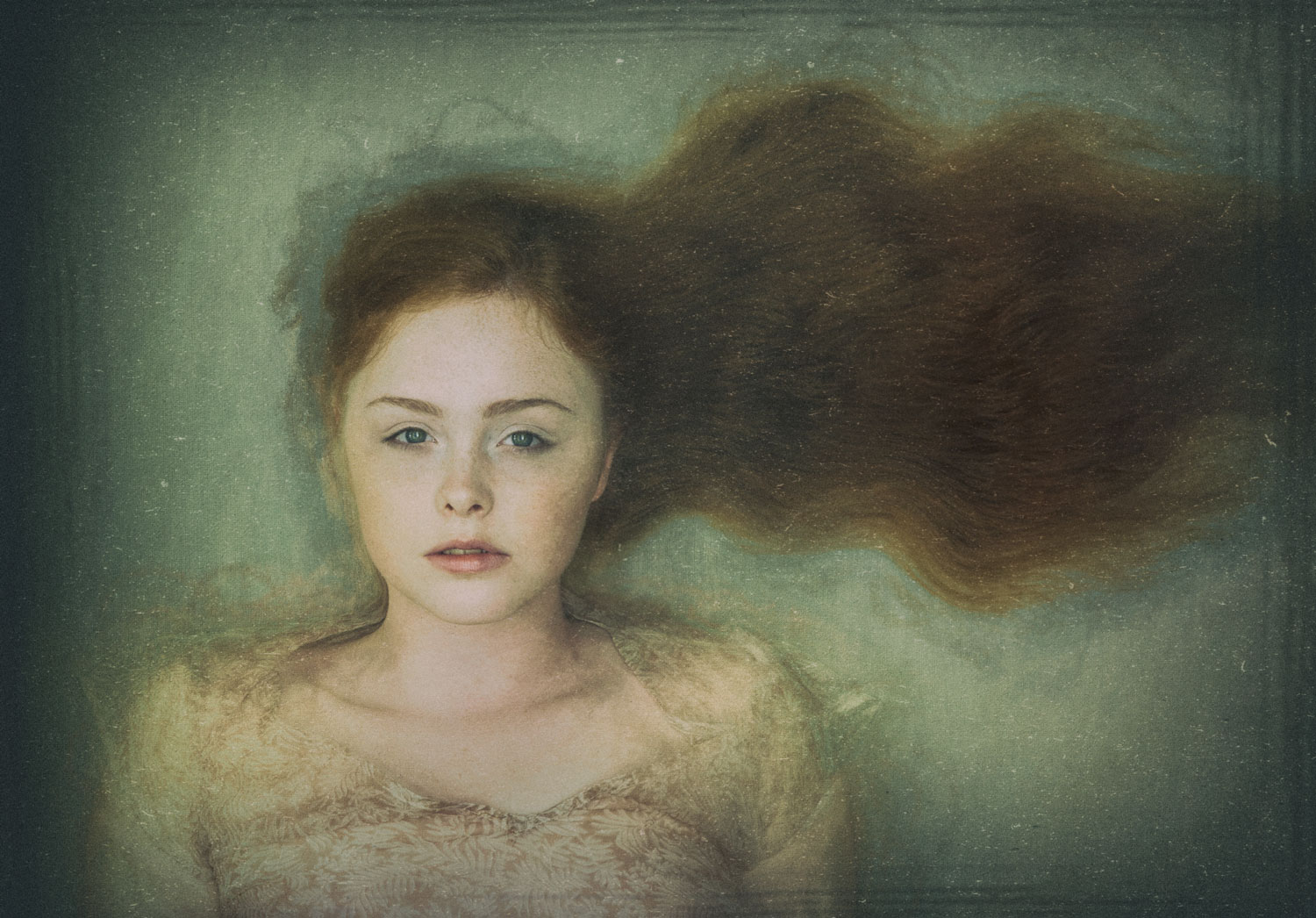
“Coming up for air” by Kenp
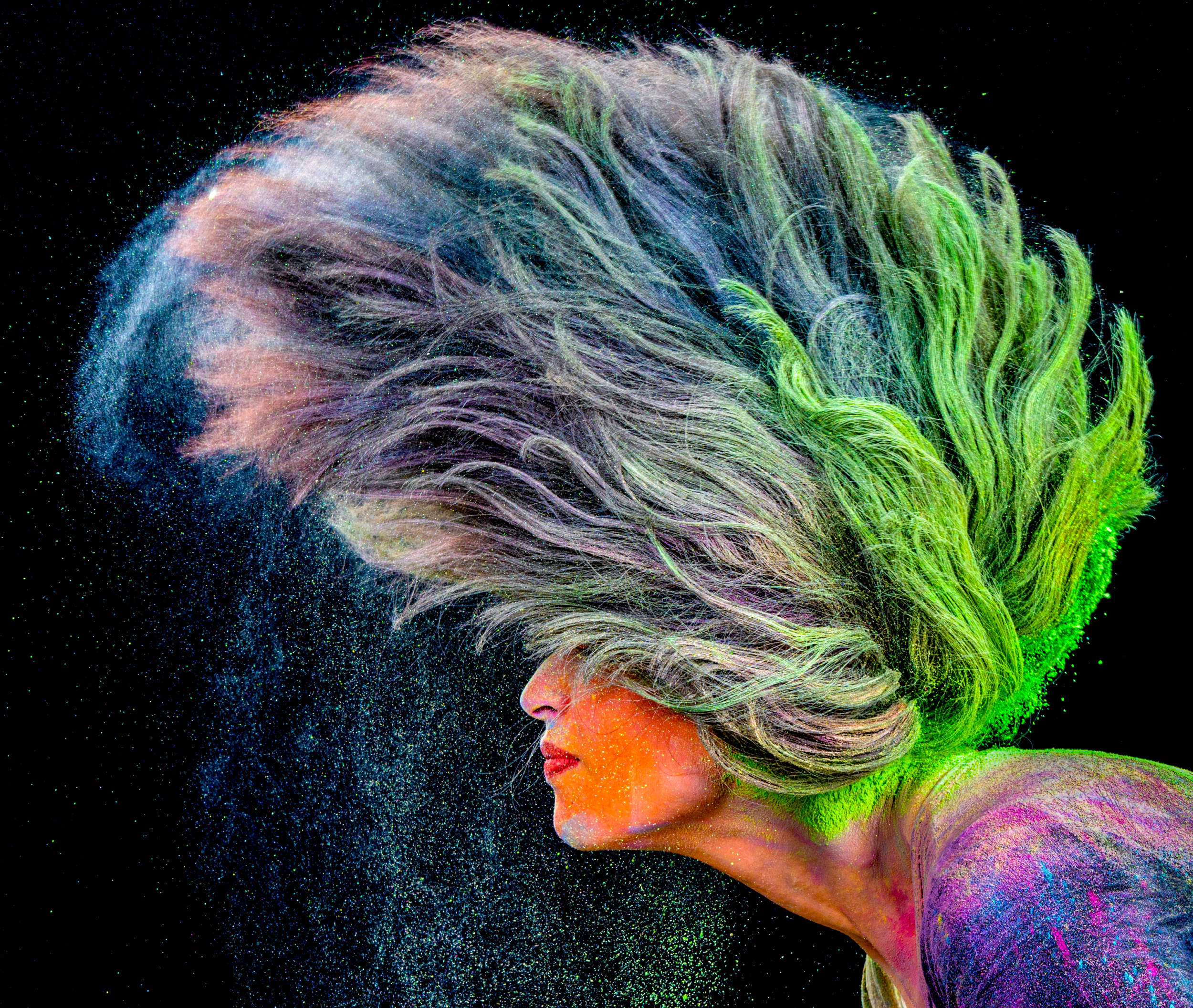
“Portrait with action” by hussain alqattan
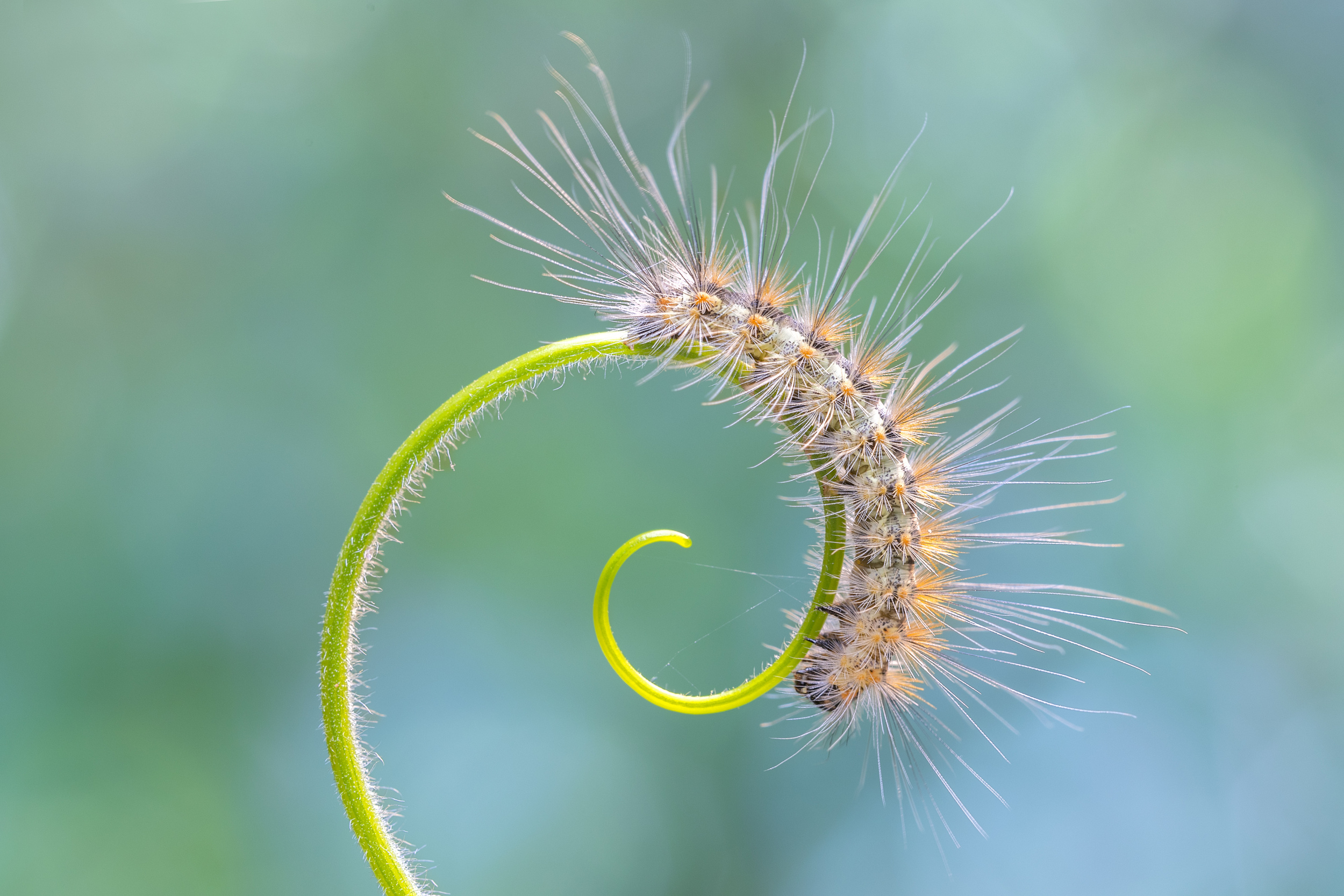
“Hairy spiral” by Massimo Chiodini
Perhaps the best thing about hair is that there are no rules.
Not for wearing it.
Not for photographing it.
And certainly not for deciding what counts as hair in the first place.
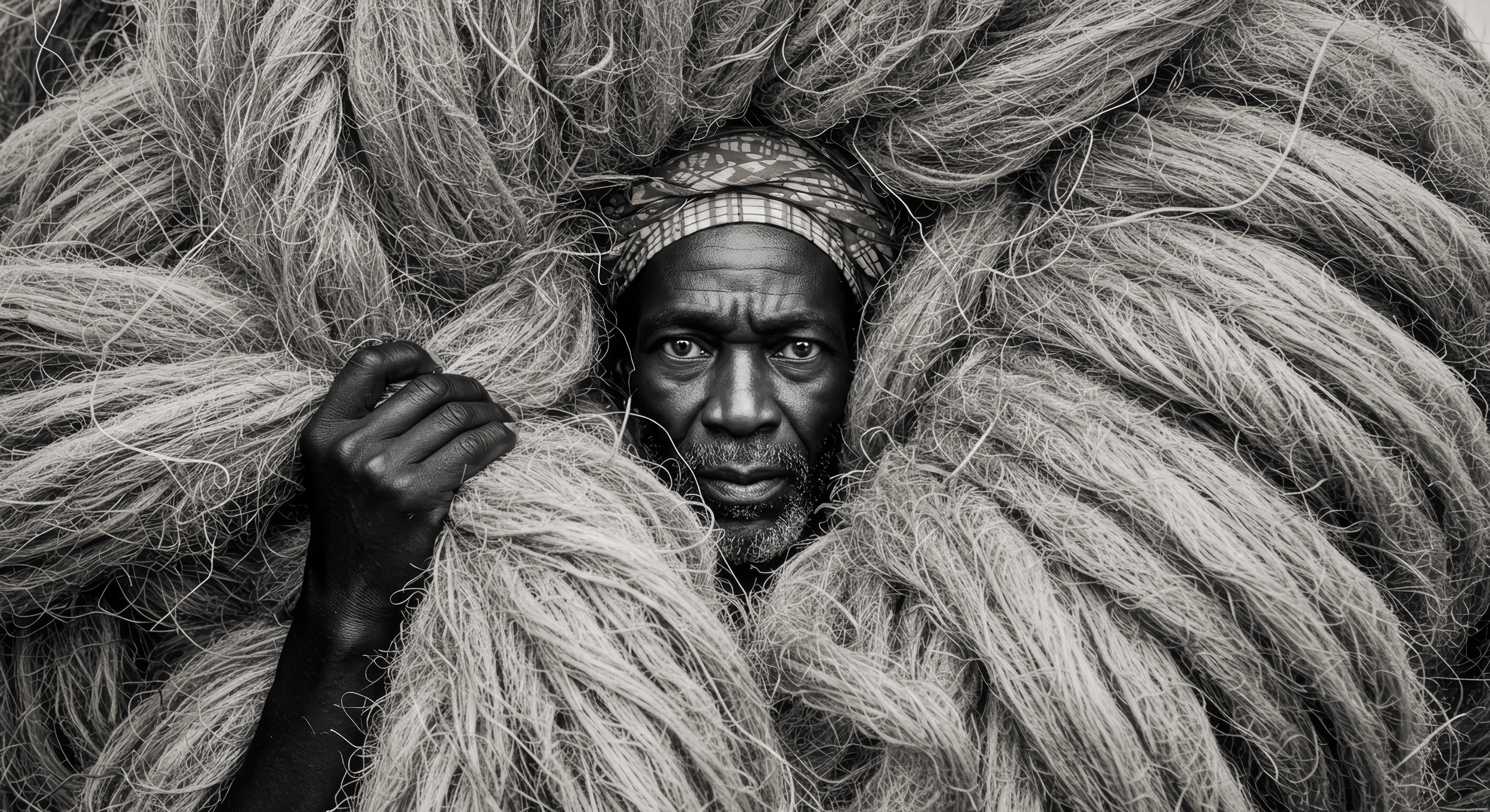
“Blackwork” by Roberto Corinaldesi
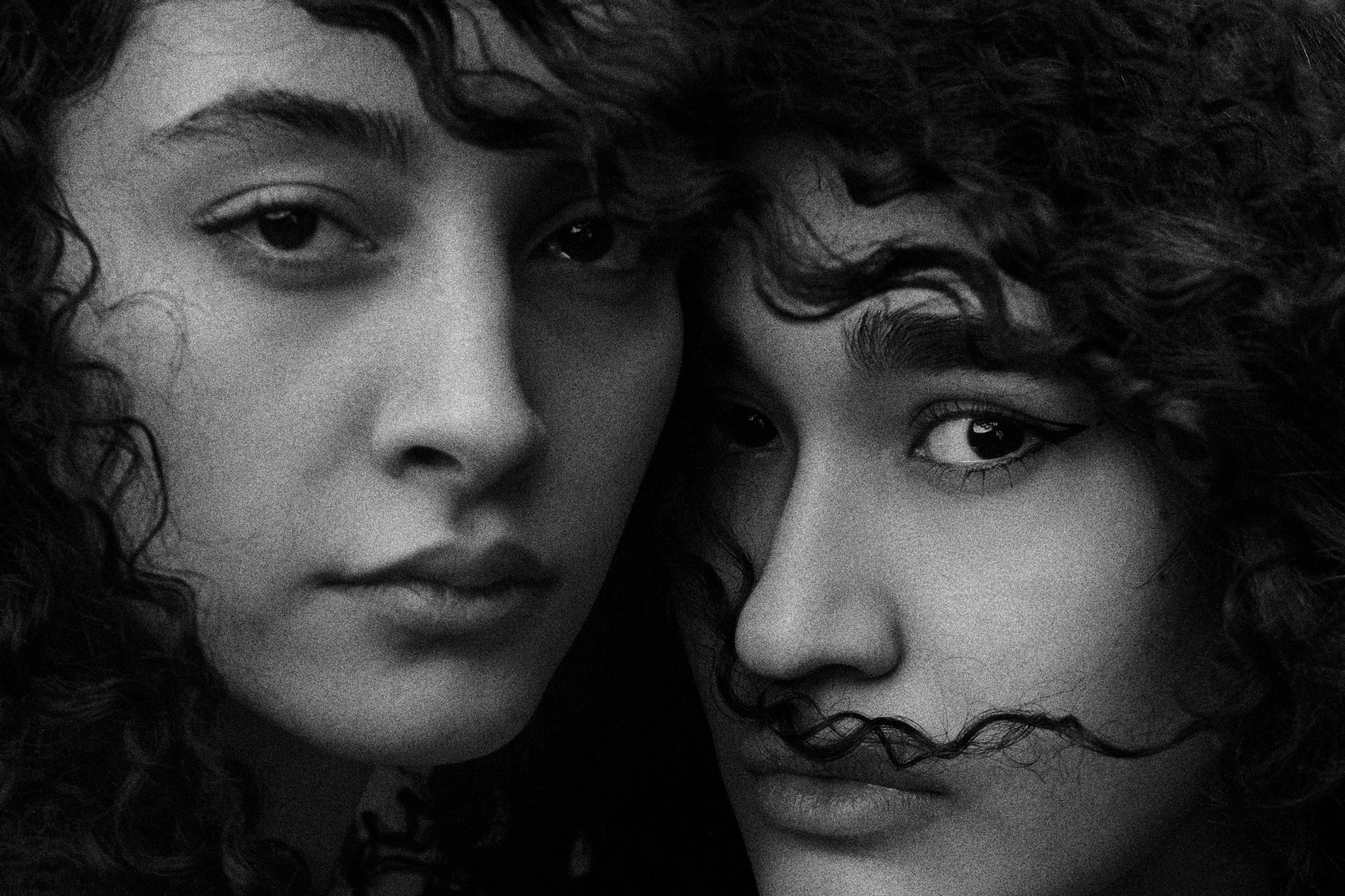
“untitled” by Hamidreza Sheikhmorteza
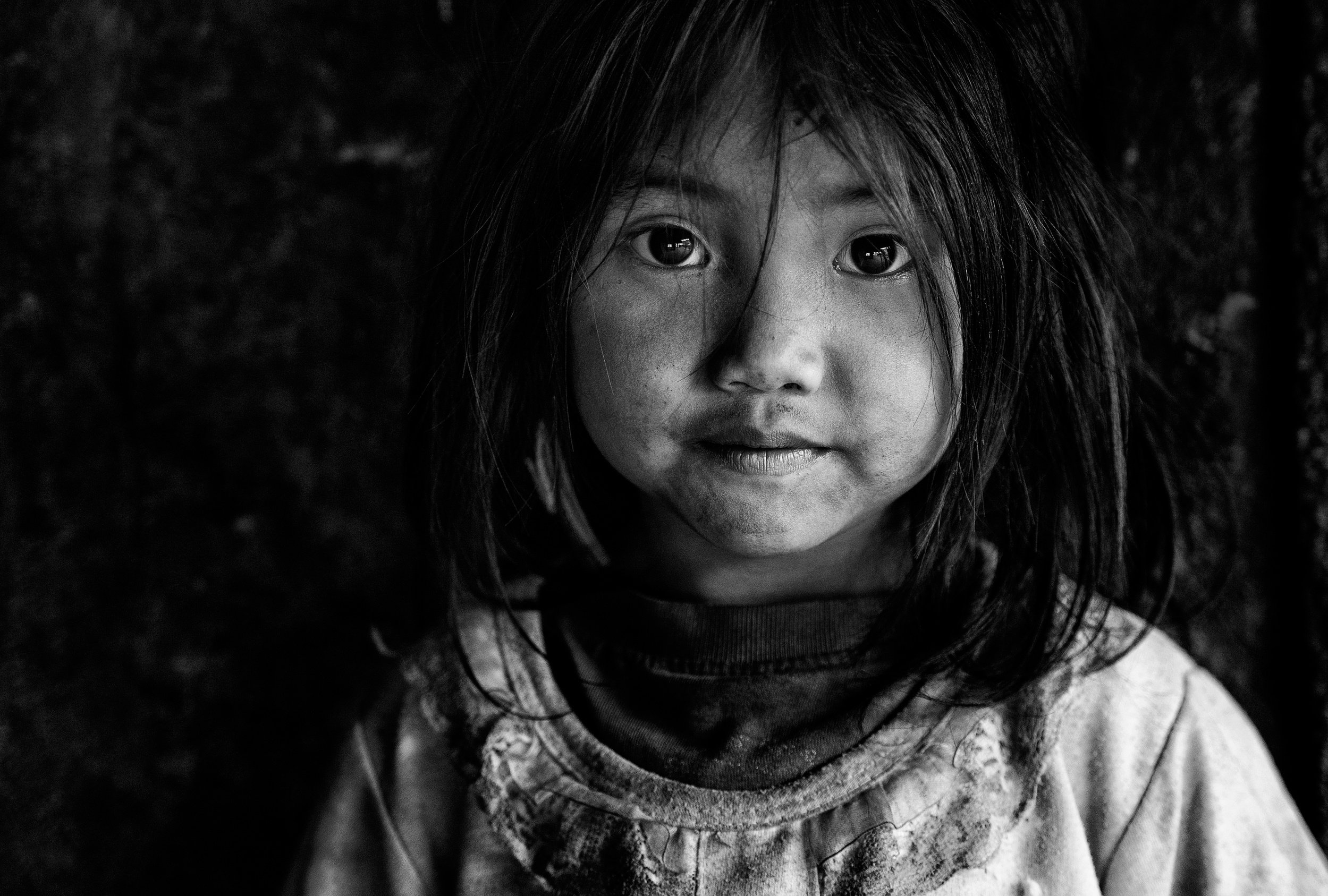
“LOI Tribe Girl” (Myanmar) by Joxe Inazio Kues Garmendia
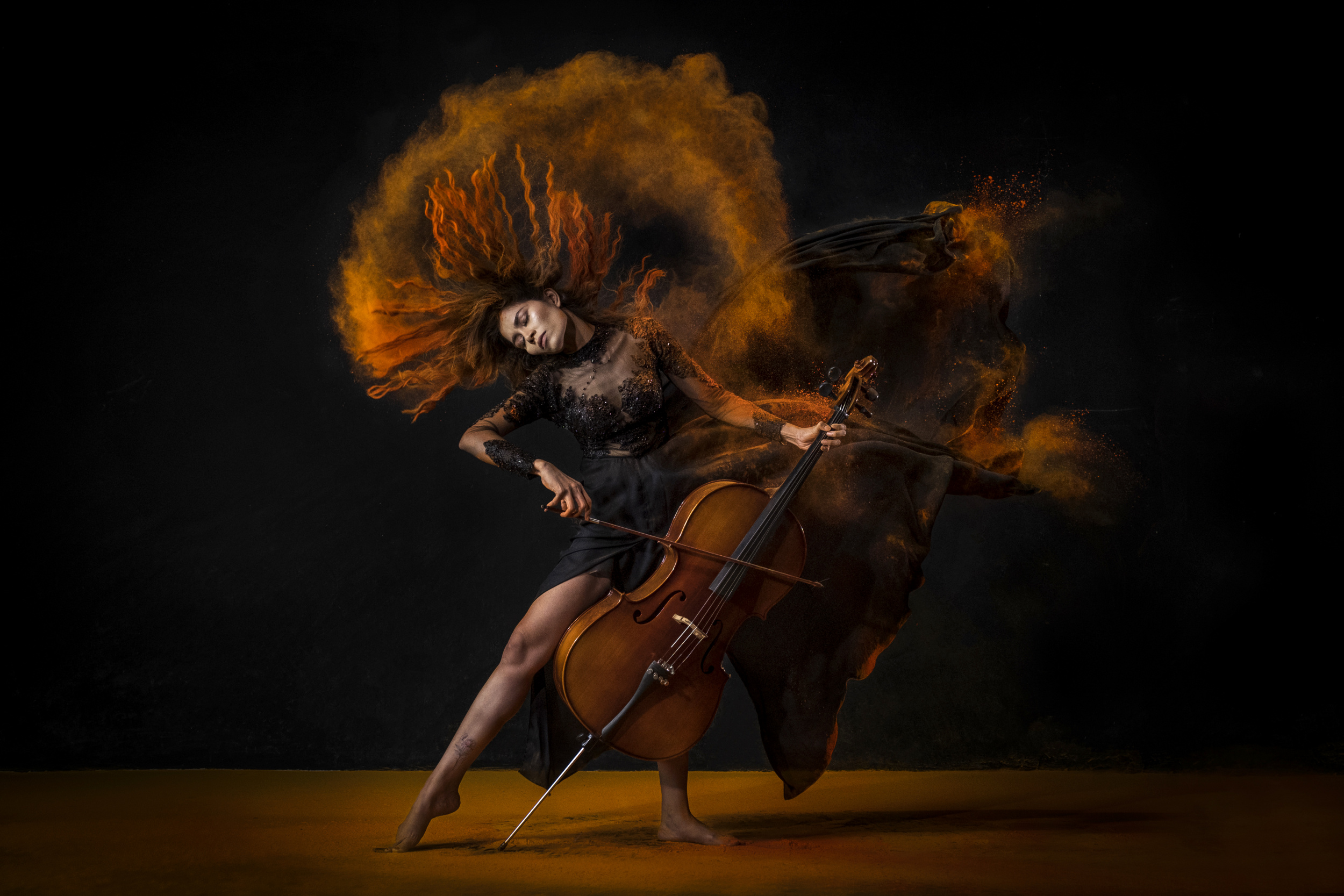
“There’s fire in her” by Sita Gramich
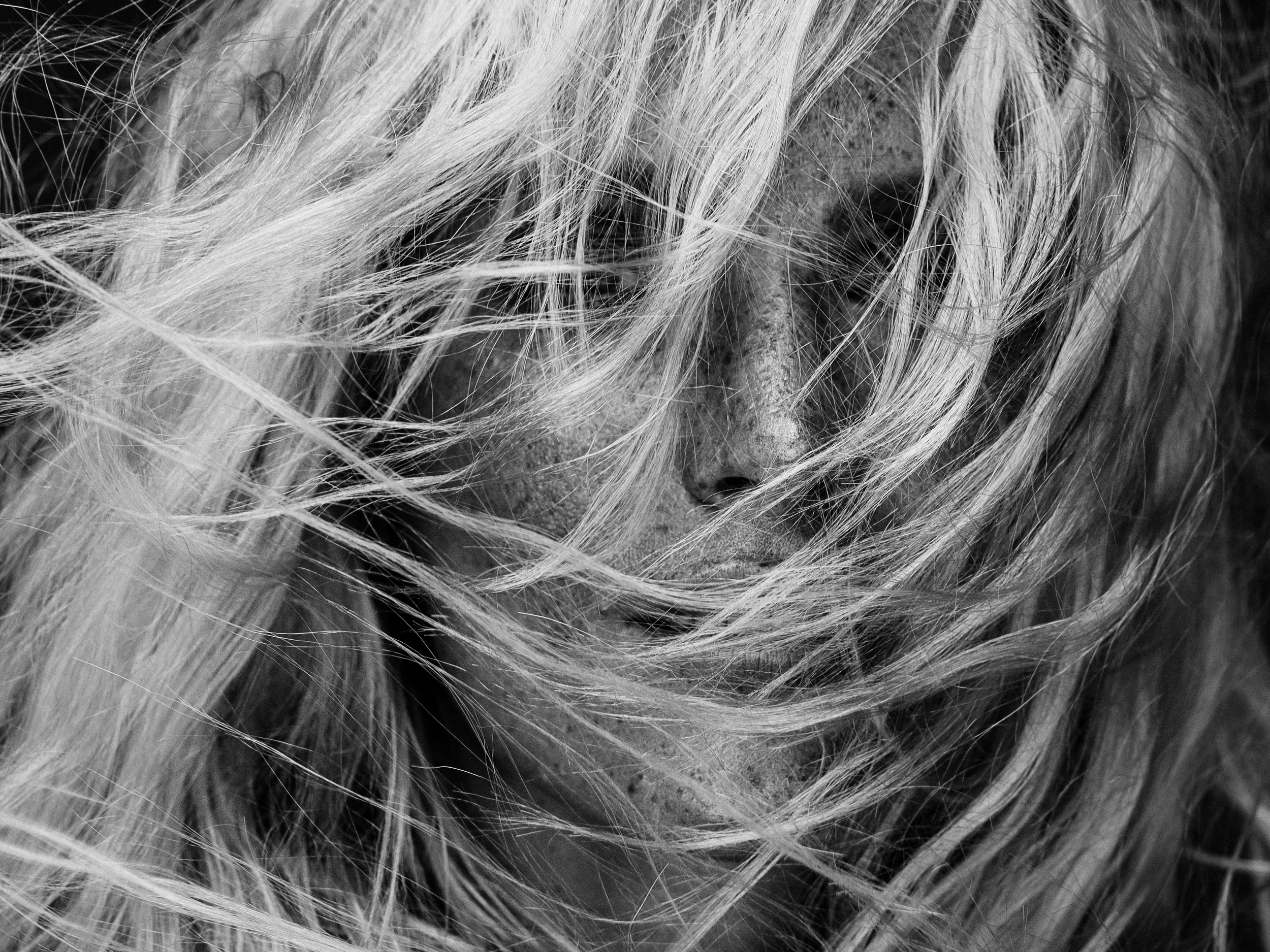
“Project Faces” (Alicia) by Martin Krystynek MQEP
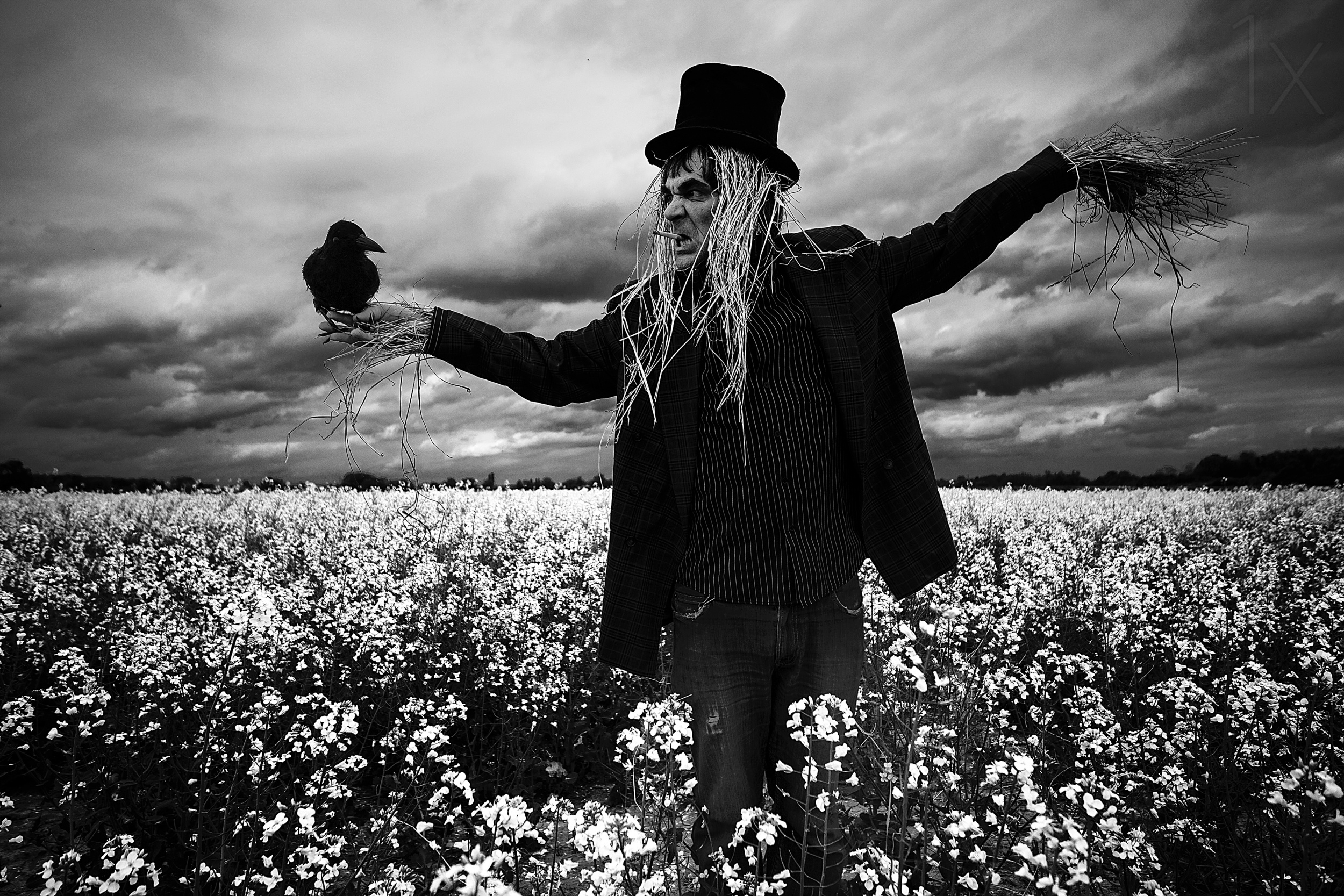
“Untitled” by mario grobenski -psychodady
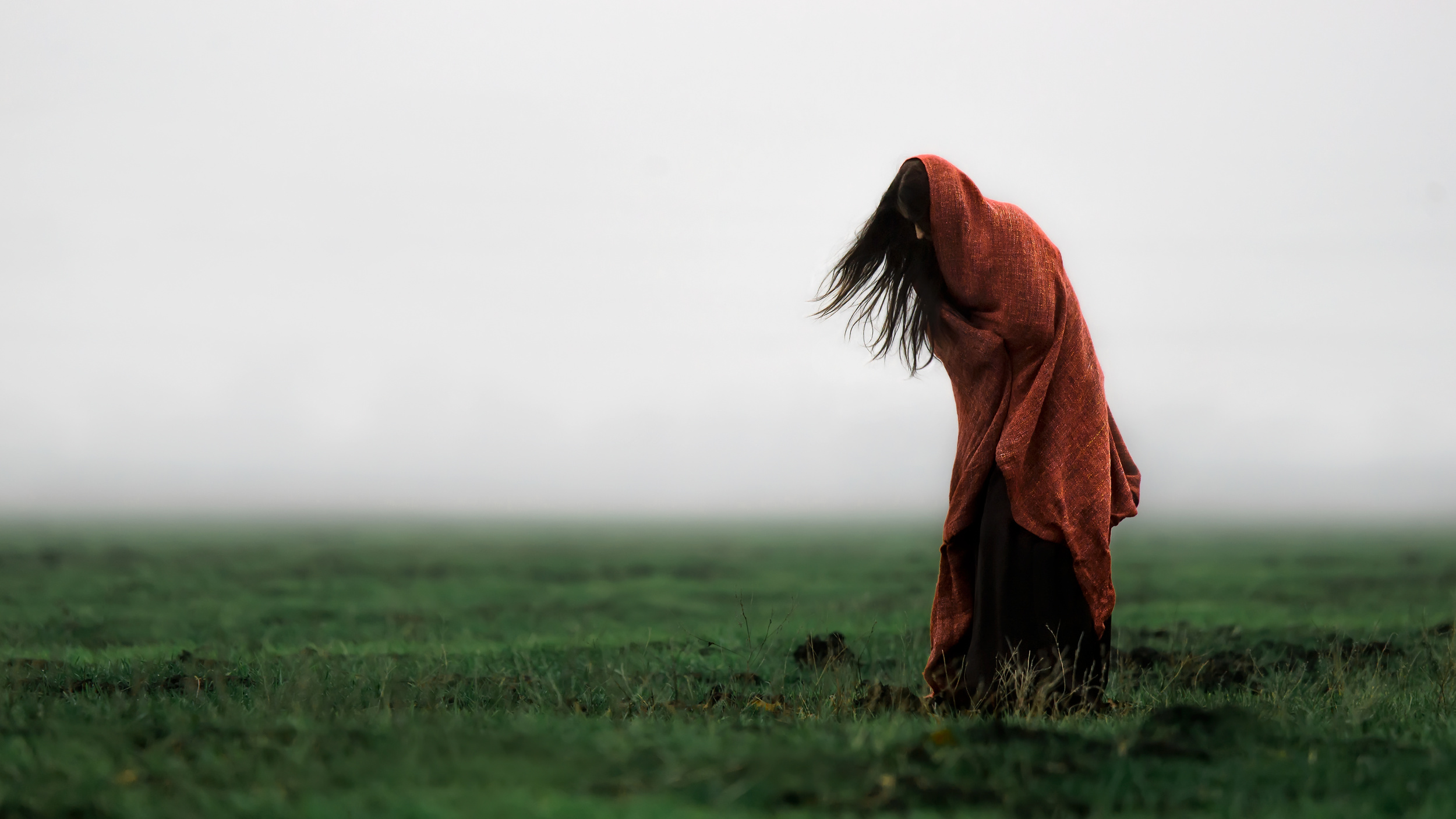
“untitled” by Mikhail Potapov
“Ms Queen” by Fegari
This series was designed to inspire current members, but it has also been an opportunity to look back through the archives and rediscover some of the brilliant work submitted over the past 19 years.
Many of these photographs deserve to be seen again, and I hope revisiting them inspires new work for years to come.
|
| | Yaping Zhang PRO .祝贺入选的摄影师,你们太棒了!即有特色又很风趣的照片,令人赞不绝口。感谢Jane和Yvette写下这篇精彩的文章! |
 | Incredible images!!! Such skill and variety make it a pleasure to view! |
 | Roland Coenraets PRO Very original subject and beautiful photos ! |
| | Miro Susta CREW Interesting subject, excellent photo collection, well done Jane and Yvette |
 | Bellissime sequenze a tema ! Grandi complimenti ai fotografi |
 | Imi Koetz PRO That is a great theme with extraordinary , funny works !! Congratulations to the artists, Yvette and Jane !! |
 | Wayne Pearson PRO Yes, stunning examples of the many moods and expressions of HAIR. I was a Hairdresser from the age of 15 years of age and I retired at 65 years of age, now almost 76, and I loved almost every minute of my wonderful profession. Thank you Jane and Yvette for this exceptional presentation. |
 | Yvette Depaepe CREW Great to hear such a positive reaction from a hairdresser, Wayne! they make you feel special and younger ;-) |
 | Shenshen Dou PRO What's an inspirational collection of hairstyles! The poem interesting and philosophical! Thanks Jane and Yvette for this lovely article! |
| Yvette Depaepe CREW thanks dear Shenshen ;-) |
| | great images, they are a joy to view! |
| Yvette Depaepe CREW splendid selection Jane made ... Thanks Patrick! |
| | Jay Satriani PRO It is a visually simple work, yet it holds a profound depth of meaning. Here, the hair is not merely a part of the body; it acts like a curtain concealing something from view. It can speak to identity, emotions, memories, and even those facets of the self not yet ready to be revealed.Among the beautiful works, two really touched me: those by Stefan Csontos and Kenp... Thank you to editor Jane and good friend Yvette... Congratulations to the selected photographers—you are amazing. |
| Yvette Depaepe CREW All credits go to Jane ... A real pleasure to work with her and publish her wonderful varied articles. Thanks for your appreciation, my long time friend ;-) |
by Editor Lourens Durand
Edited and Published by Yvette Depaepe, the 23rd of September
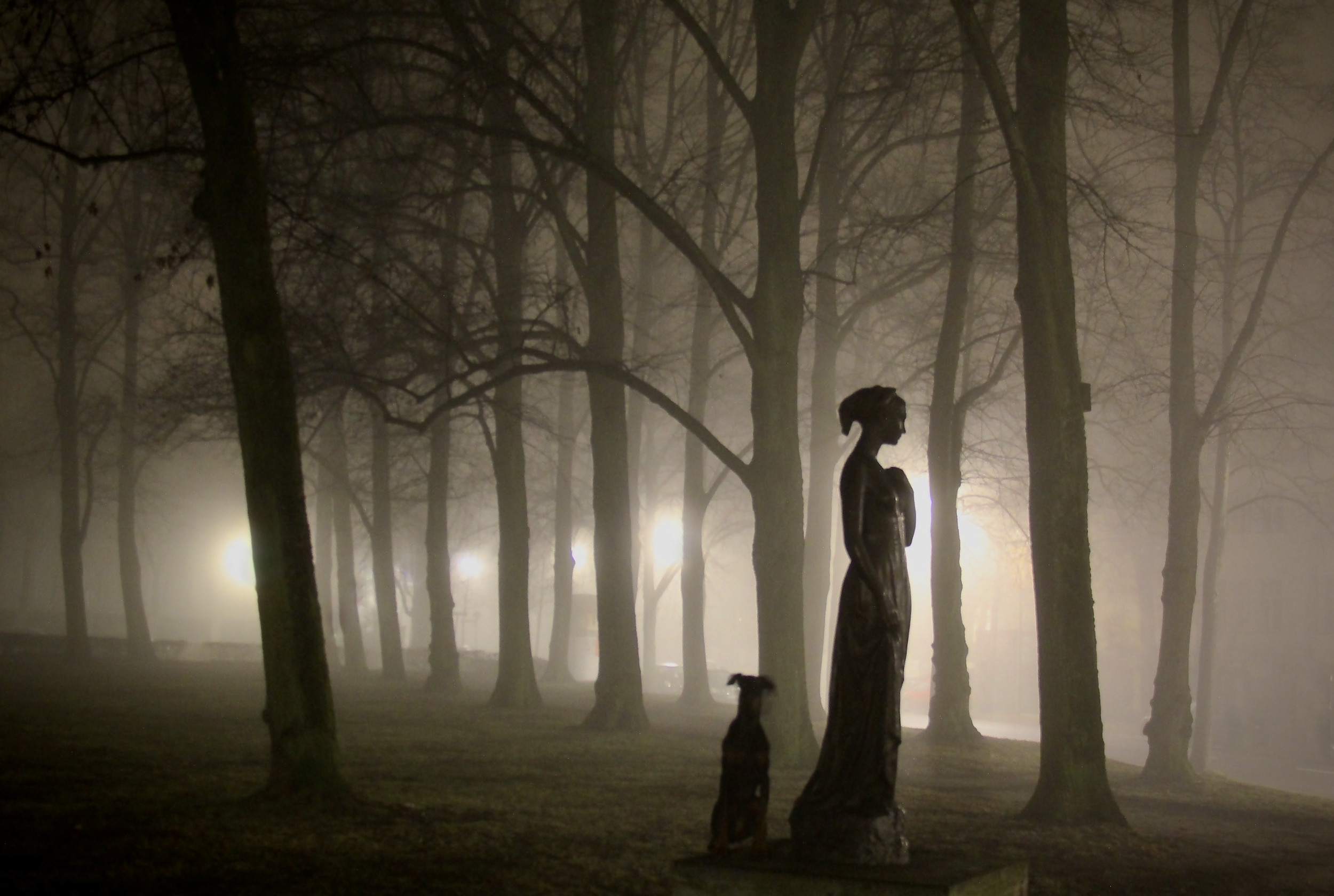
‘Romeo and Juliette’ by Veronika K Ko
"This late foggy evening, I was walking at a nearby park. I saw a running dog toward me and suddenly it sat next to Juliet sculpture. I had just few seconds to react, to grab my photo camera from my bag and to shoot quickly, before the dog to run back to its owner. Of course, it is not the perfect night foggy image but I love the mood here: Juliet and her "Romeo":) National Geographic published. National Geographic's " Unconditional dogs" contest winner.
The human brain perceives things as a whole, filling in missing information and gaps in an attempt to achieve closure. This concept was first recognised in the early 20th century by a group of psychologists in their Gestalt theory, which proposed that the whole is greater than the sum of its parts. It has since become an important concept in the composition of art and photography.
Even though a photo of a favourite object may be significant to you, evoking memories or feelings and relating to events, as a work of art it lacks composition and may appear incomplete. To get your message across, you need to consider your composition, combining a number of different objects, using creative lighting or a clever colour scheme.
When we look at a composition of several objects, we see the whole, but the specific way the individual parts are arranged influences our interpretation of the whole.
For example, photographs containing three or five elements appear balanced because the eyes and brain tend to focus on the centre of a group. If they cannot find it, the photo appears unbalanced.
In addition, the human eye — and therefore the brain's interpretation — is drawn into visual art by leading lines. We therefore need to incorporate these lines into the number of objects, as well as the shape and composition of the subjects.
These lines can be found in features such as roads and paths, as well as colours, light and shade, and are usually found moving from left to right. These lines can also be used to create the illusion of depth.
One special type of leading line is the S curve (or even the C curve, which is half an S). These meandering lines help to create a soothing, unhurried mood.
An L-shaped composition along the line of thirds is particularly attractive, as it combines the dignity, height and strength of the vertical line with the calmness and tranquillity of the horizontal line. This composition is often used in landscapes to depict peace and serenity.
The V shape is commonly used in landscape photography to create the illusion of depth, with a backdrop of distant mountains forming the 'V'. Taking this idea further, one of the most powerful compositional elements is the triangle, which represents strength and stability. This can be repeated throughout the image.
All of these are covered by Gestalt theory. It is important to note that, in each case, the human eye and brain tend not to see each point in the composition individually, but rather as a whole. They fill in missing information and gaps in an attempt to achieve closure, meaning that shapes can often be inferred.
Although the whole is greater than the sum of its parts, and this has become a key compositional factor, it is important to focus on the whole and use the fewest possible parts to convey the message.
Lourens Durand
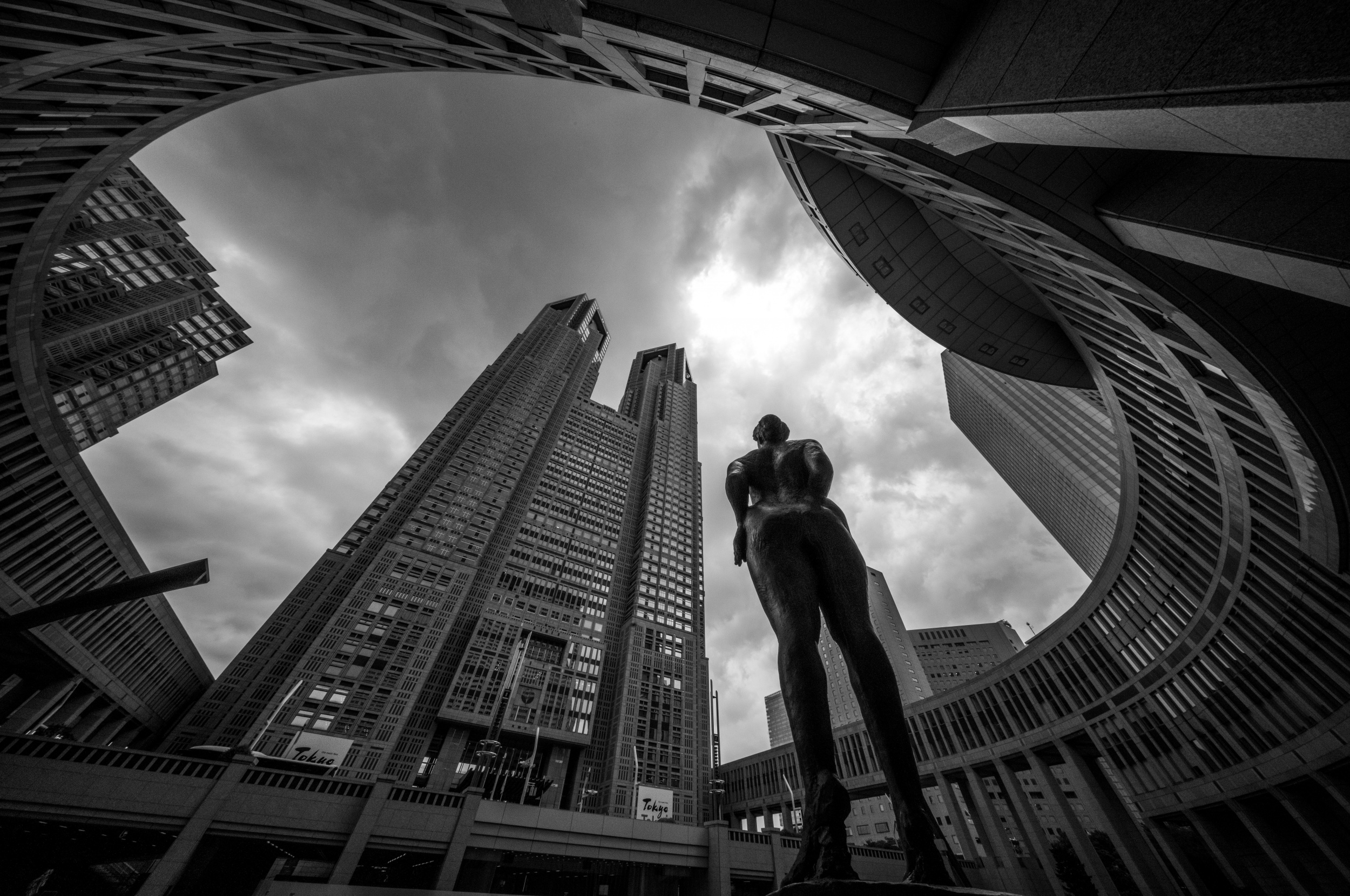
‘Tokyo Metropolitan Government Build’ by Masahiro Suzuki
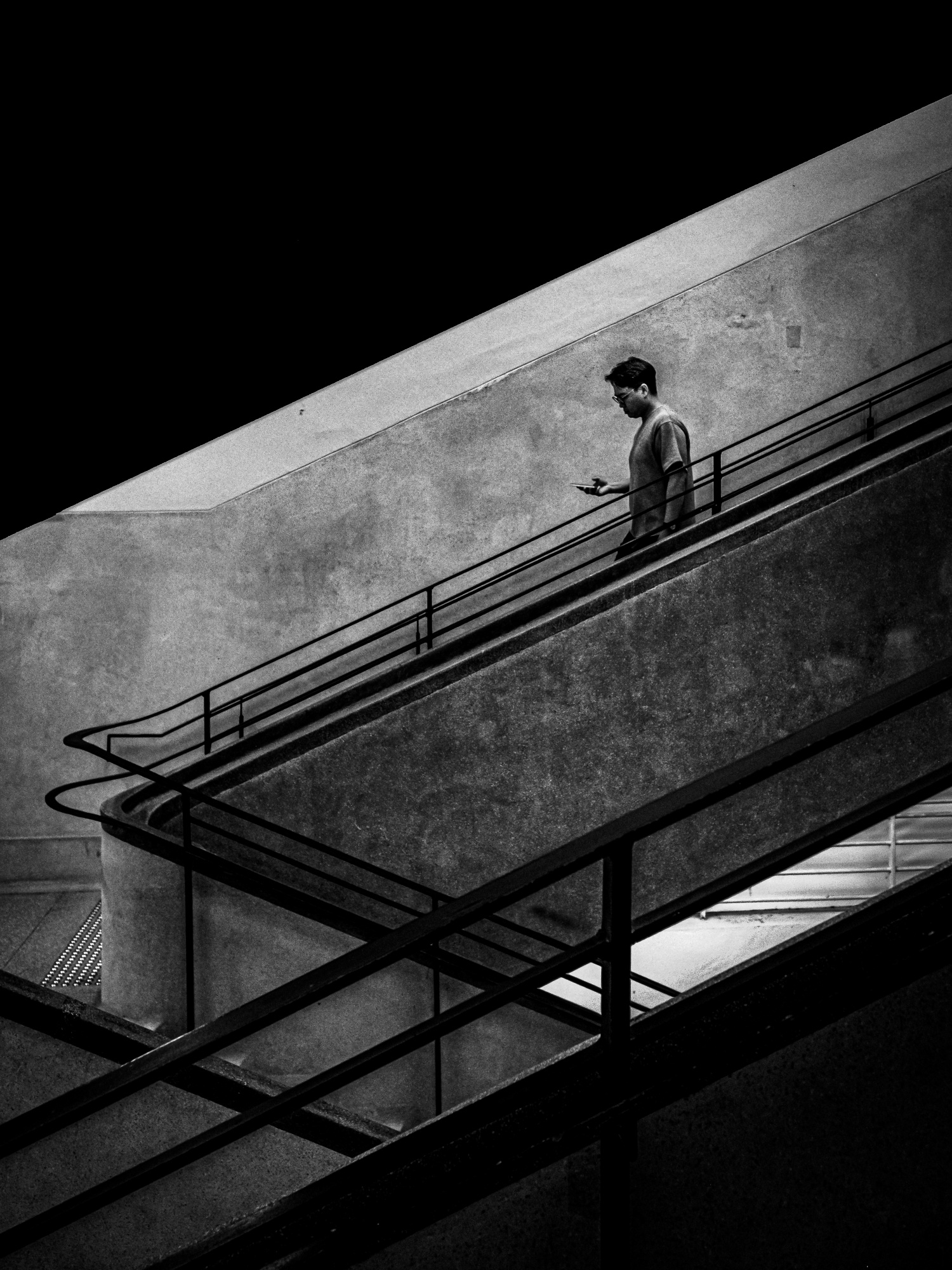
‘Central Market Staircase II’ by Bertrand RENAUD
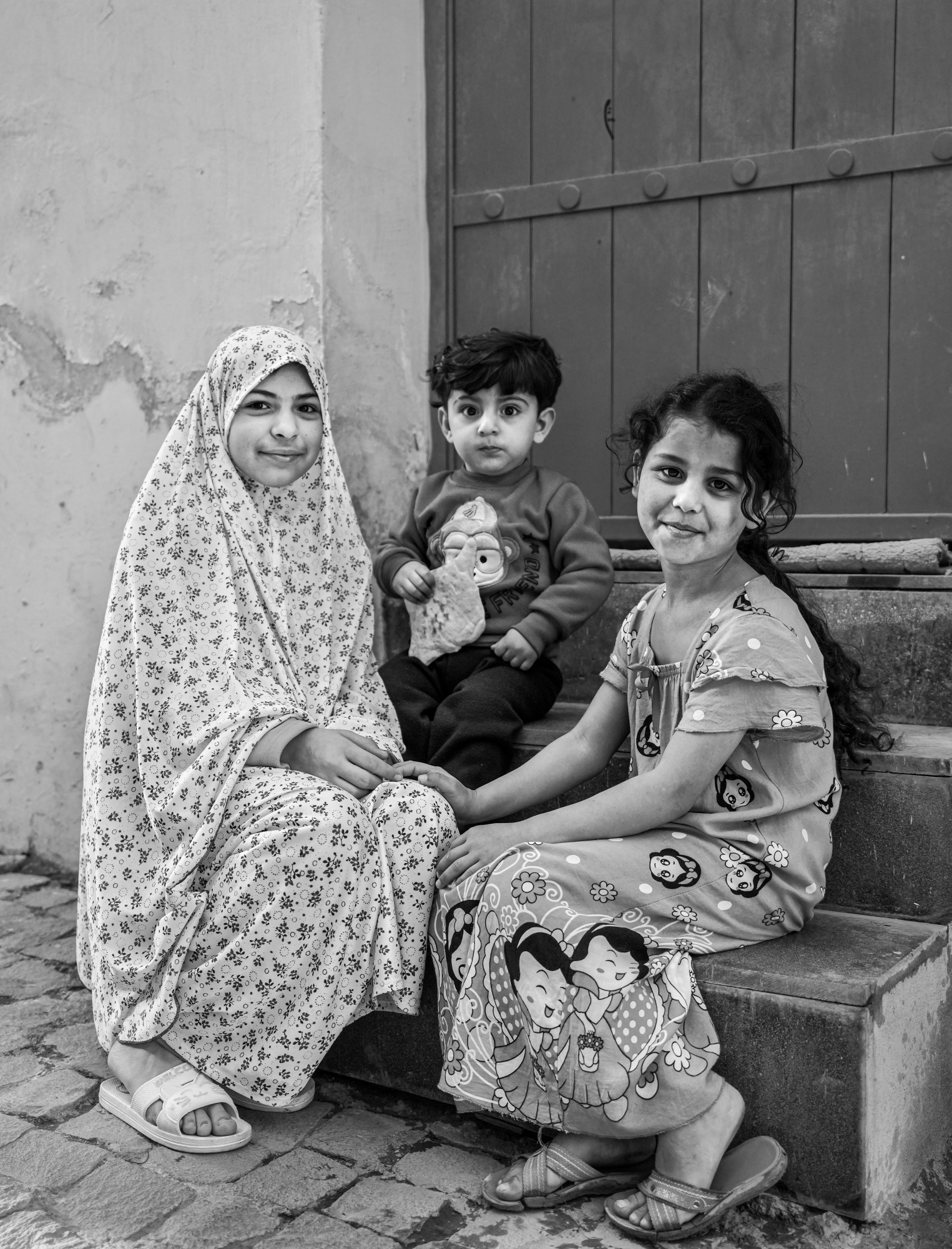
‘Friends’ by Bashar Alsofey
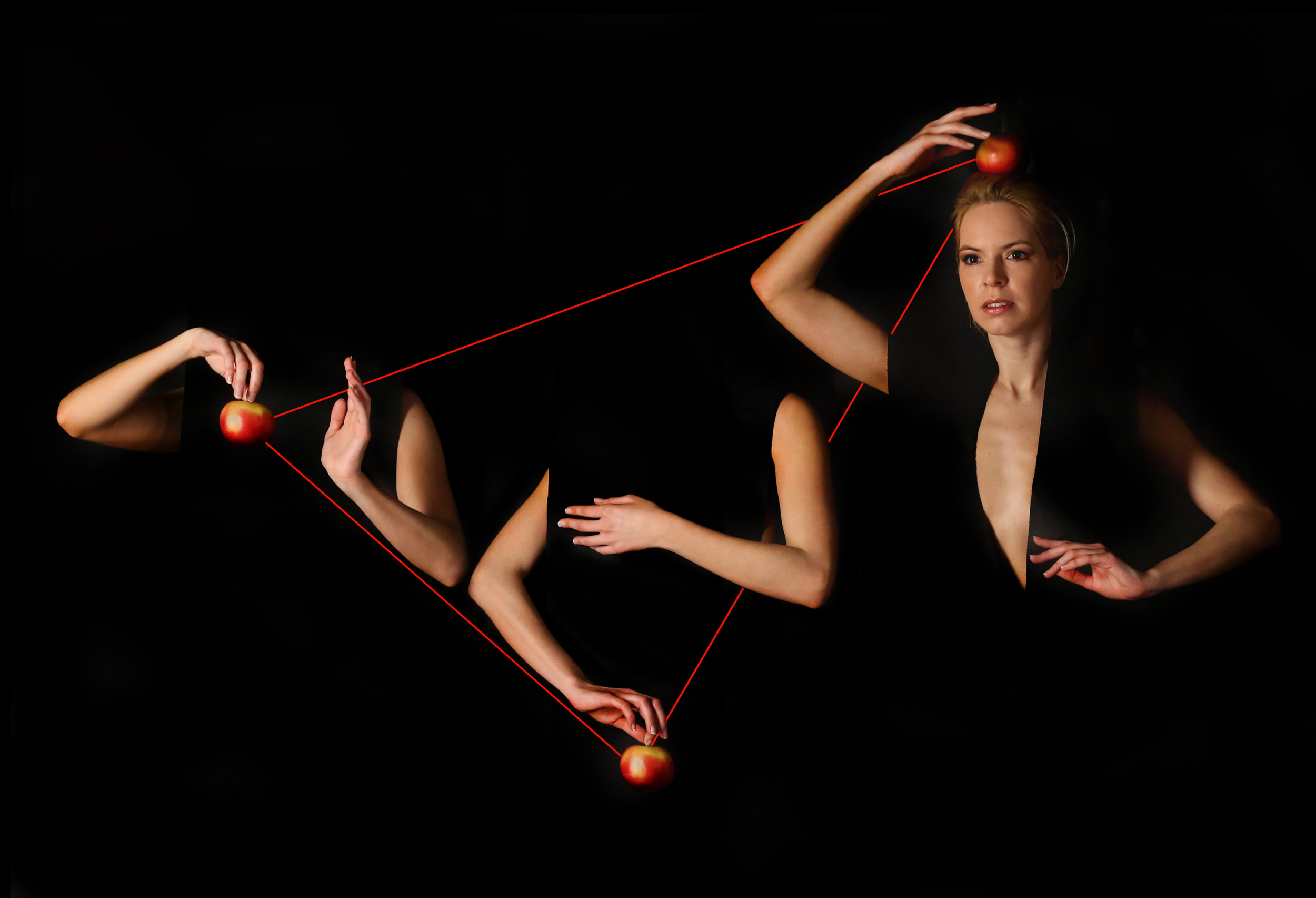
‘Apple Vectors’ by Peter Aczel
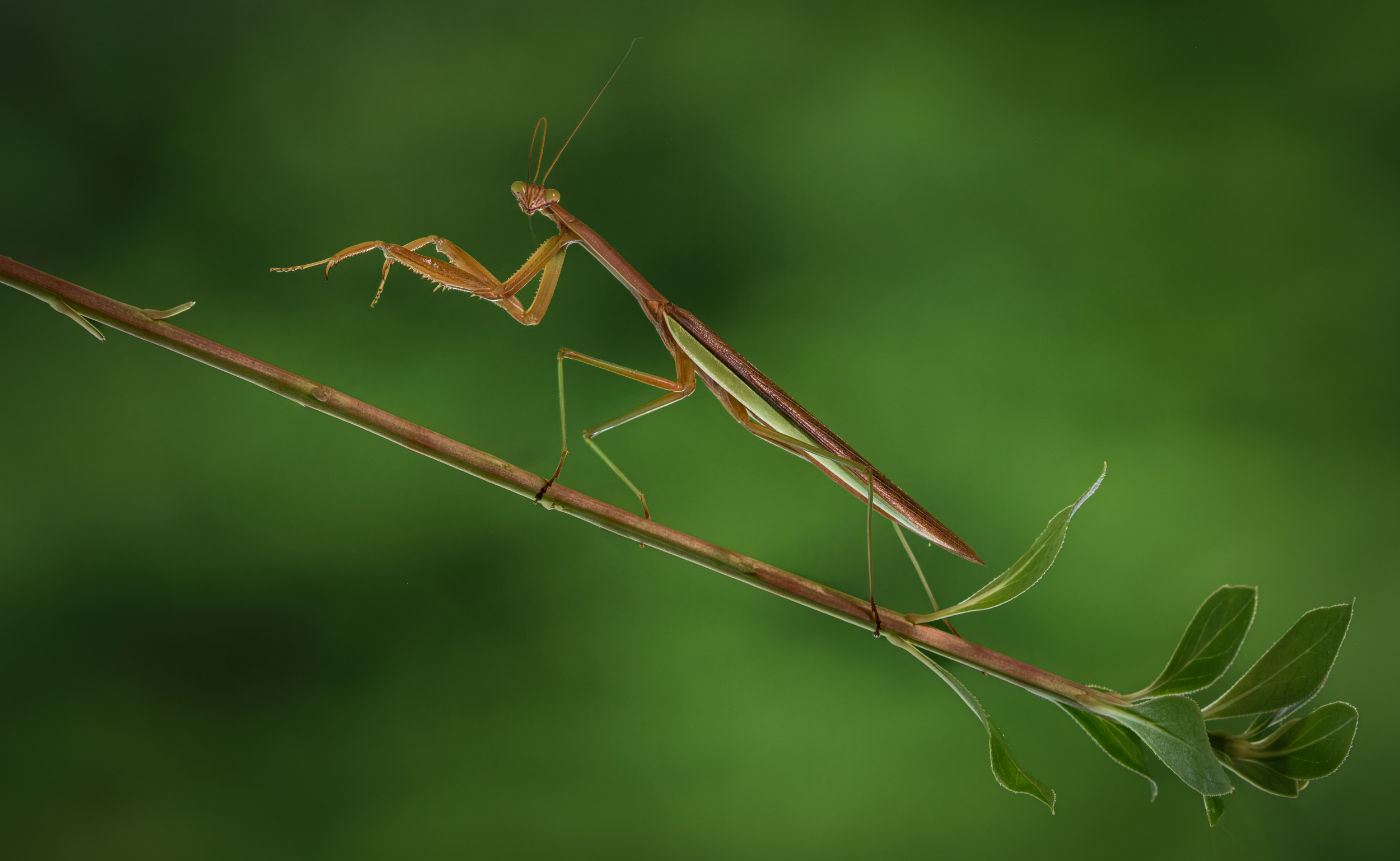
‘The art of escaping’ by Atul Saluja

‘Control’ by Osama Alsulami
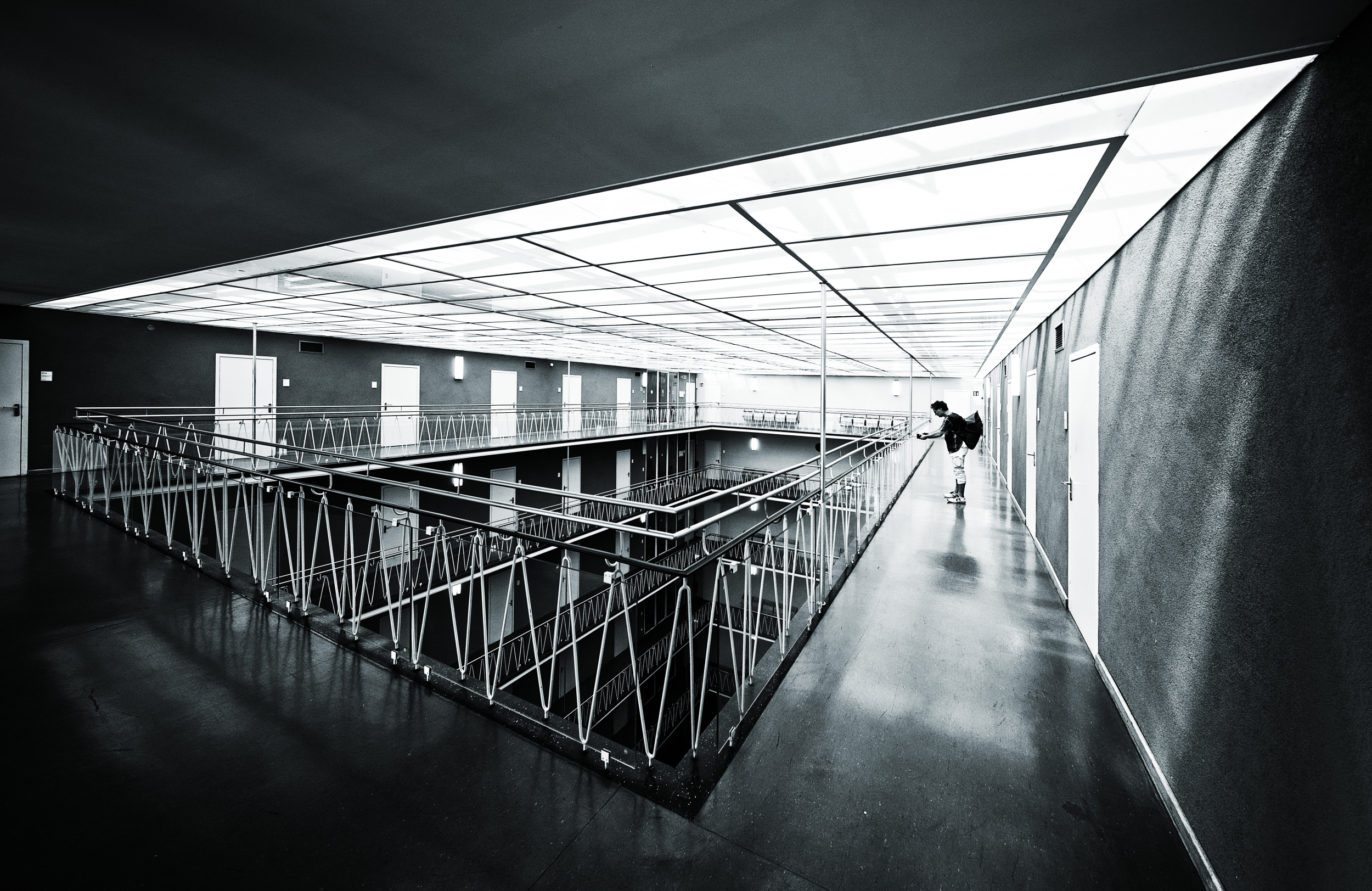
‘The Photographer’ by Erhard Batzdorf
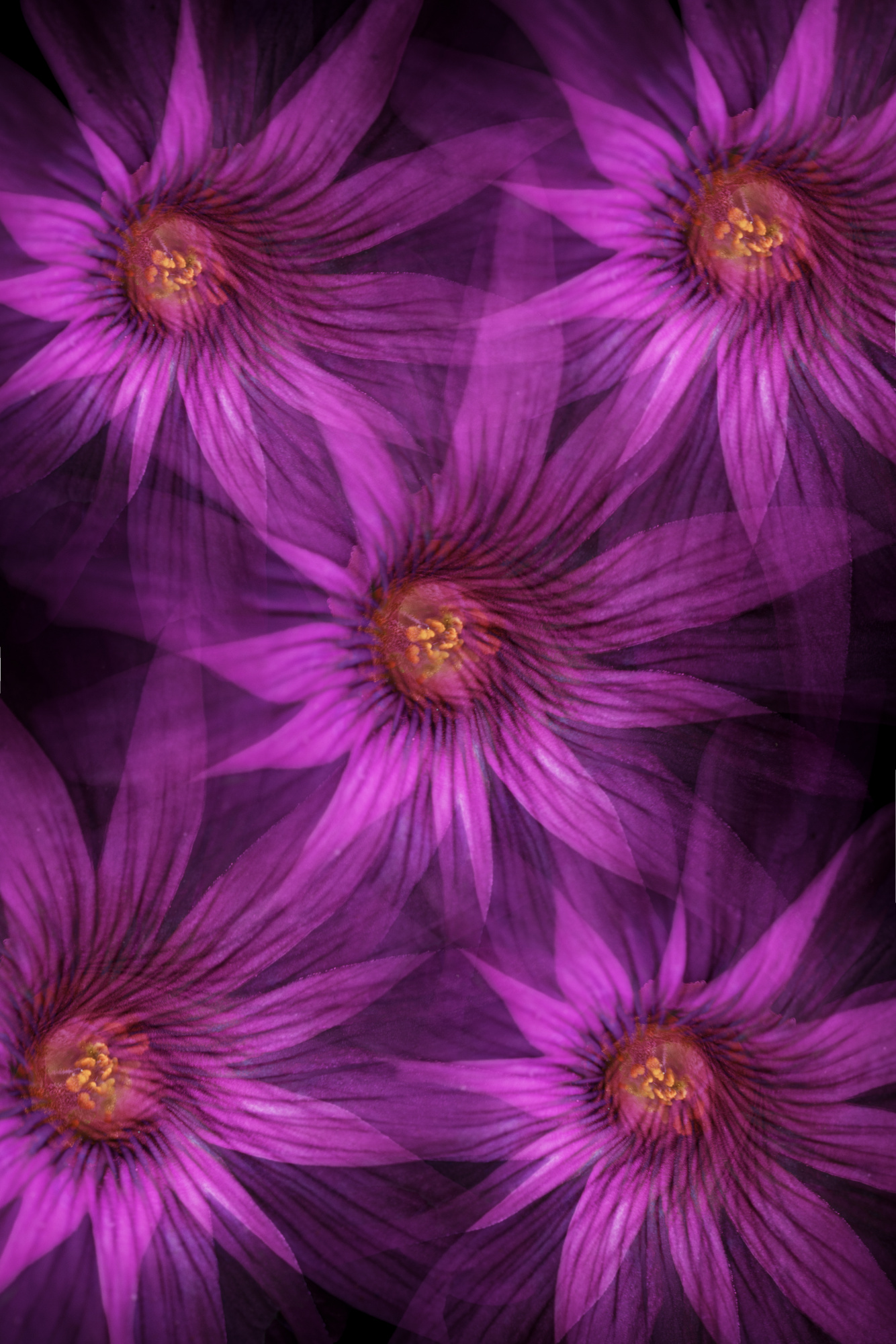
‘Deep Inside’ by Cicek Kiral
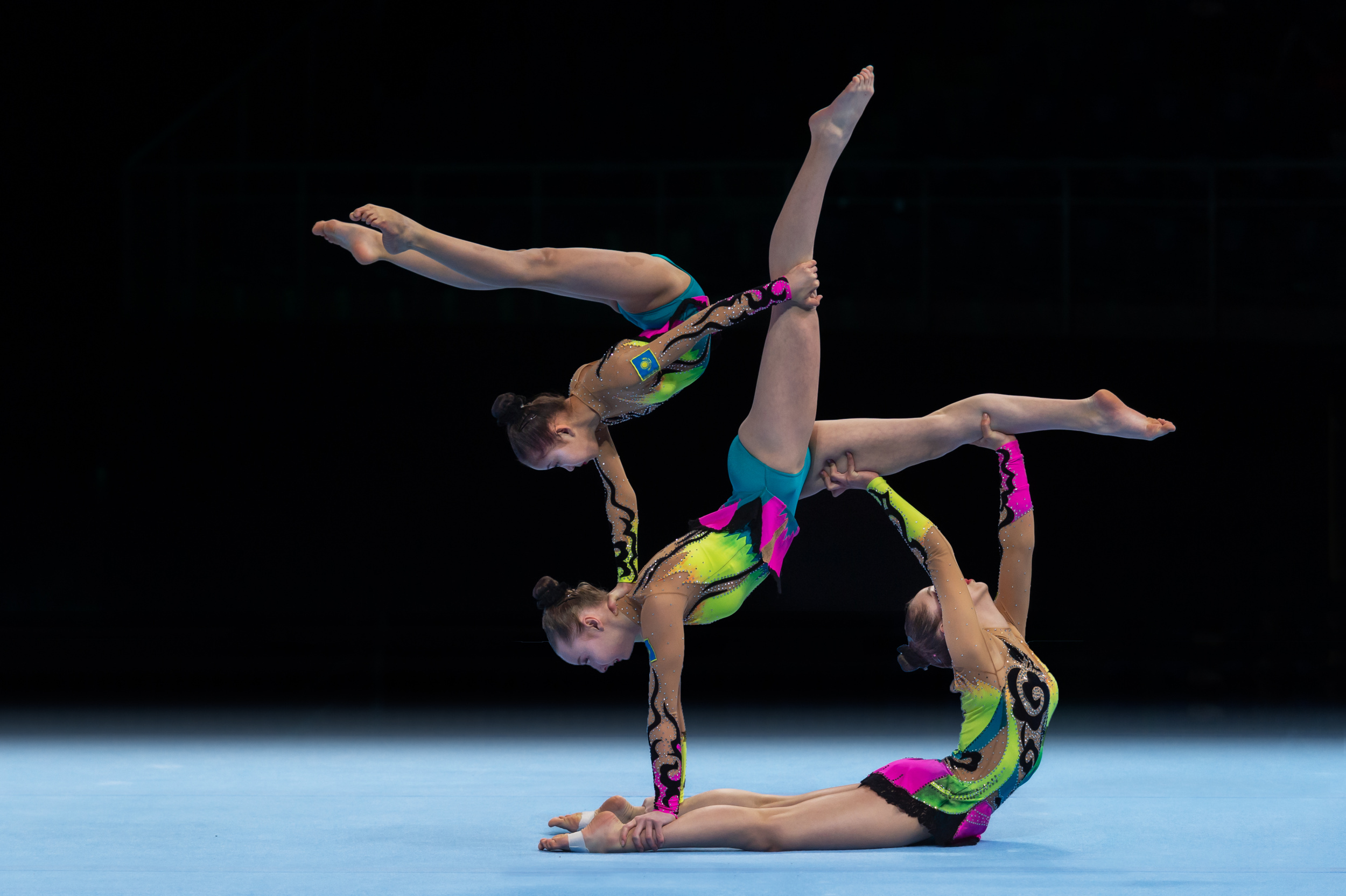
‘Color trio’ by Els Keurlinckx
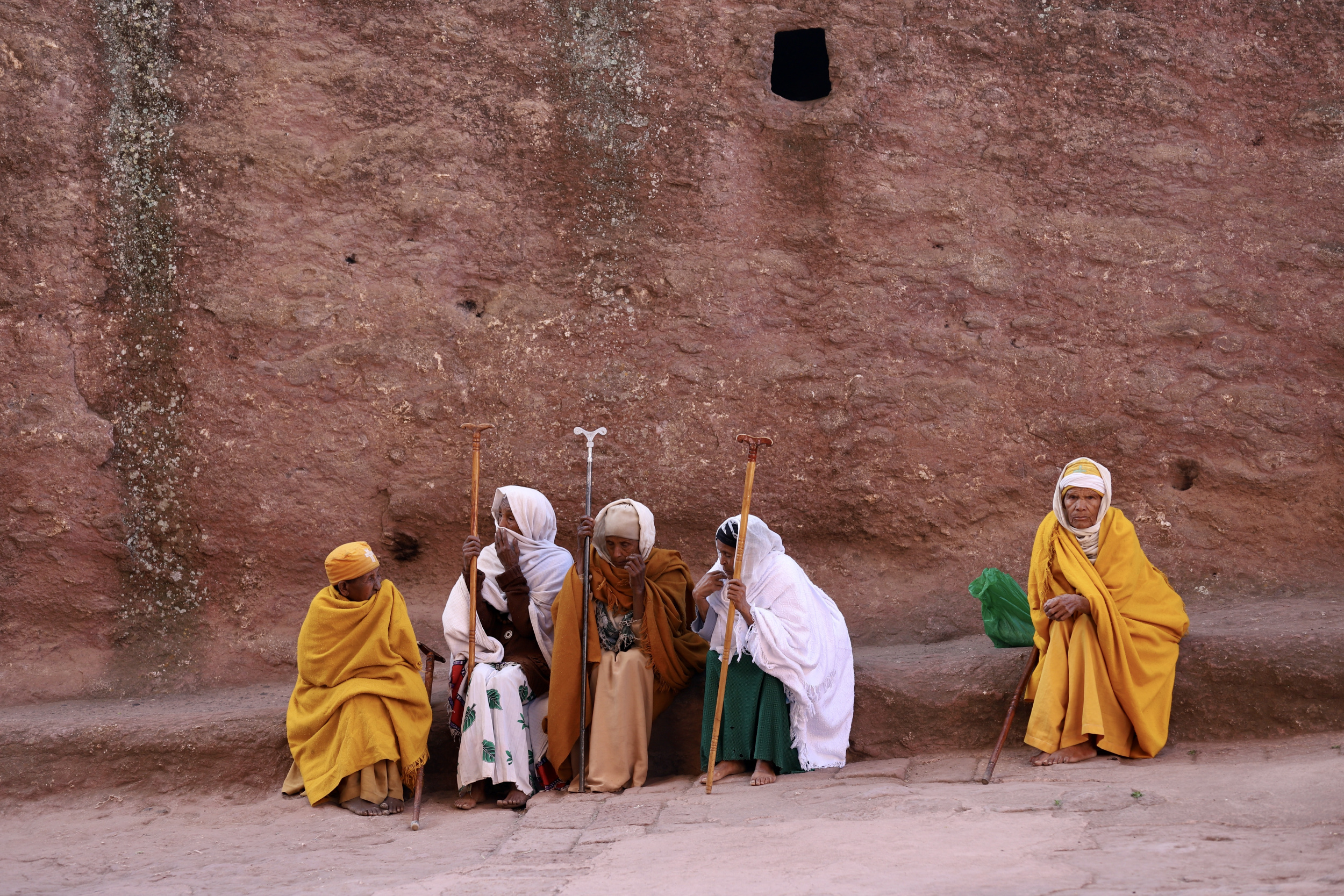
‘Rock Hewn Churches in Lalibela’ by Ralf Zimmermann
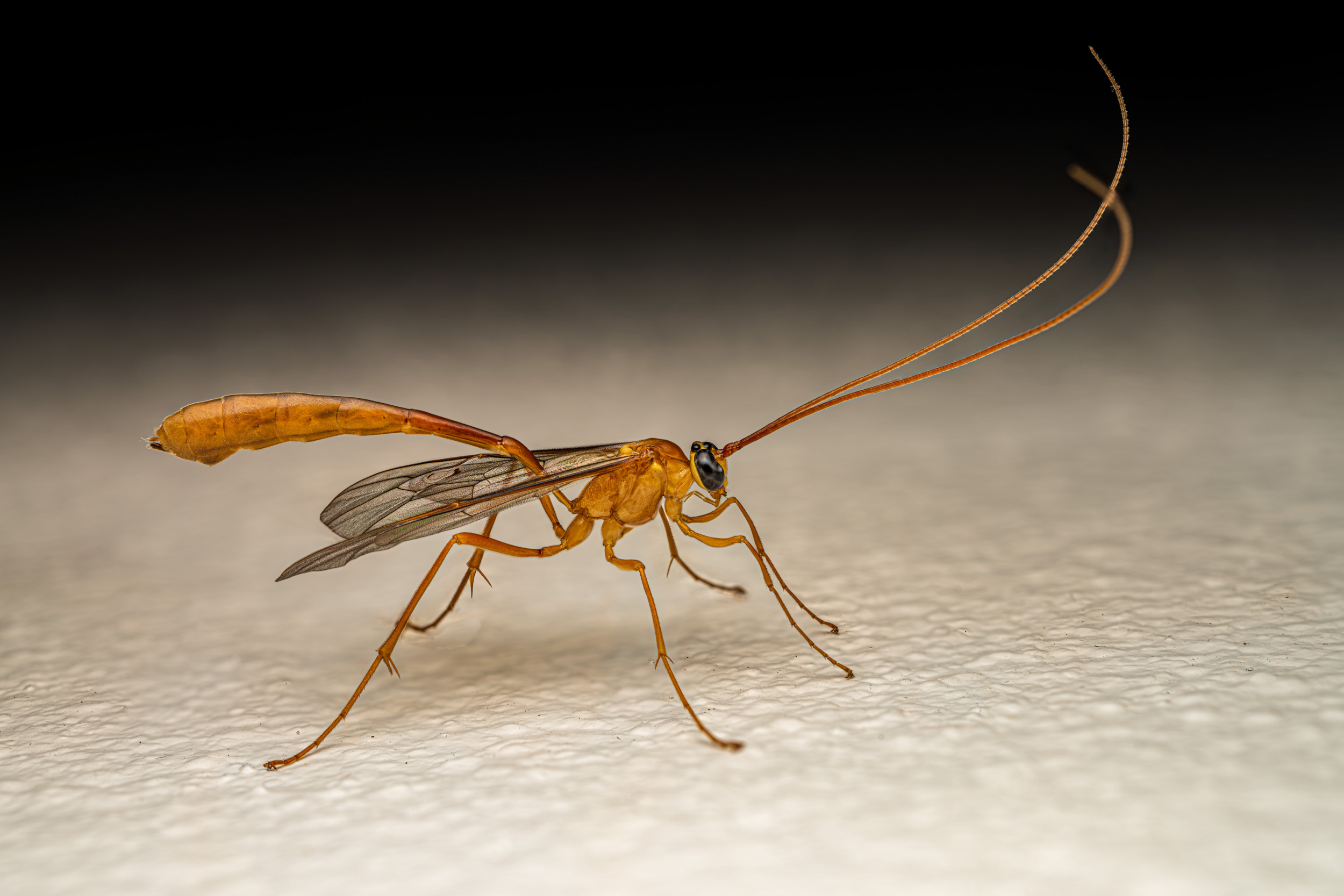
‘Netelia Tryphoninae/Parasitic wasps’ by Andre J Fjørtoft
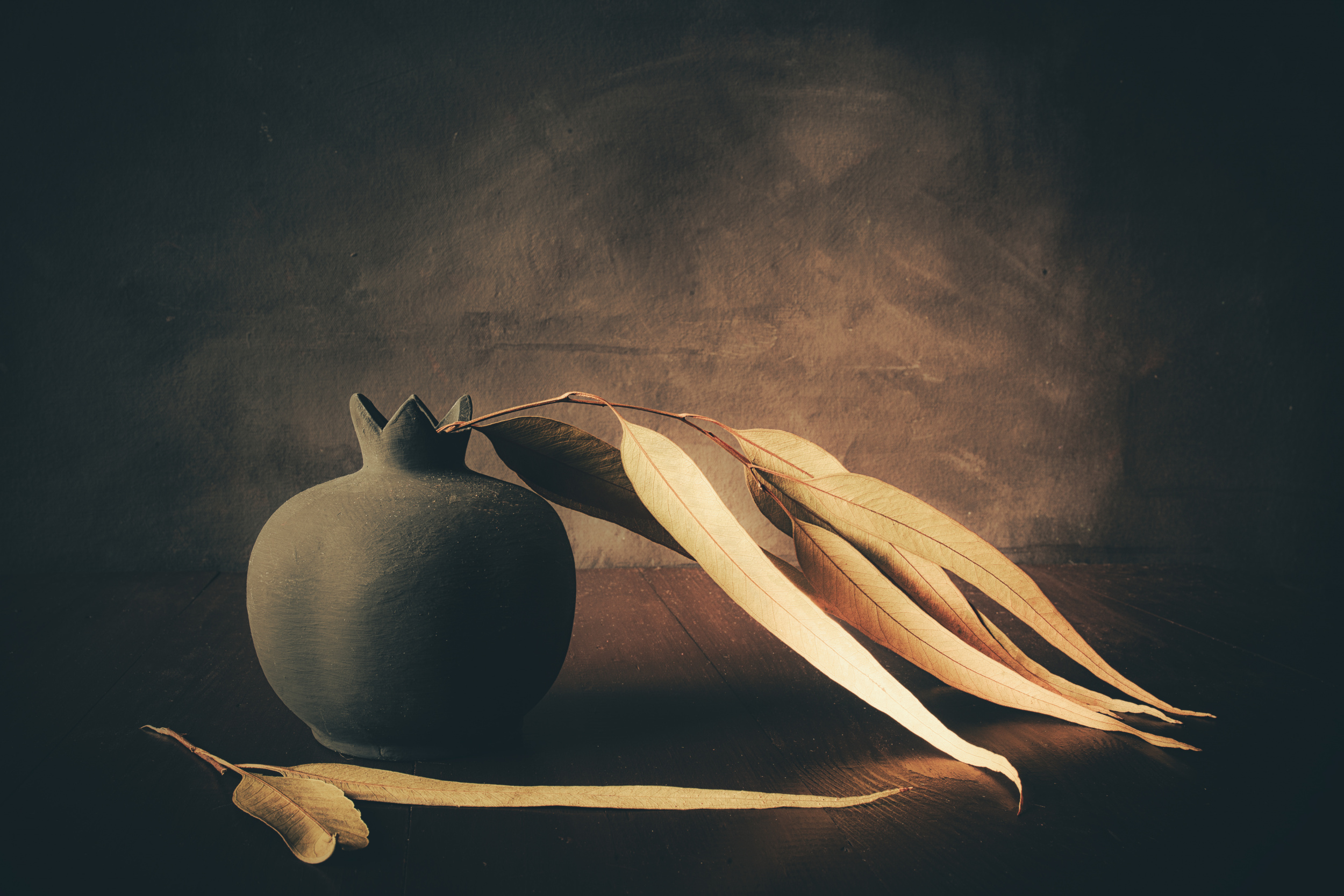
‘The Weight of Autumn’ by Cicek Kiral
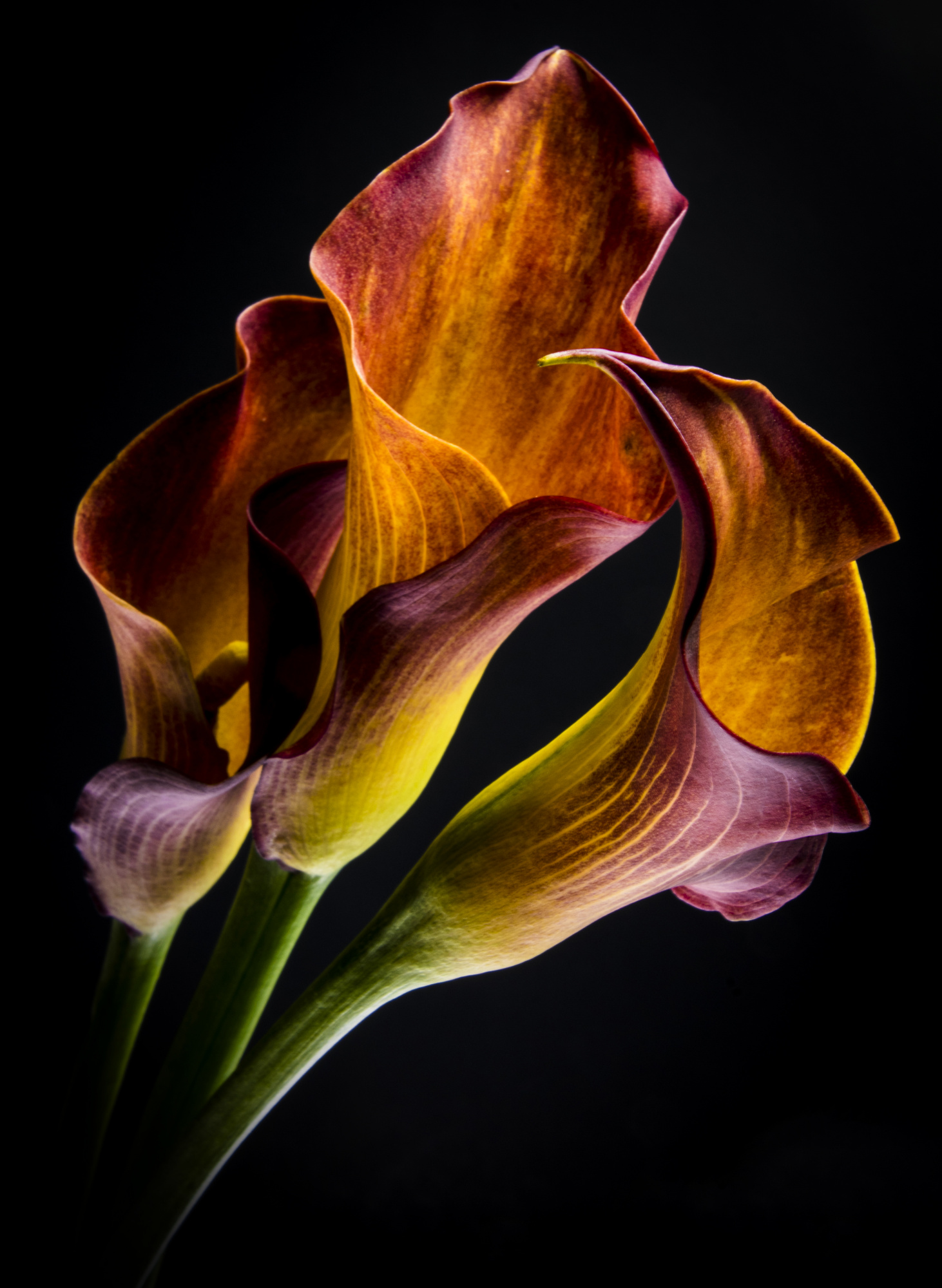
‘Three Orchids’ by Scott
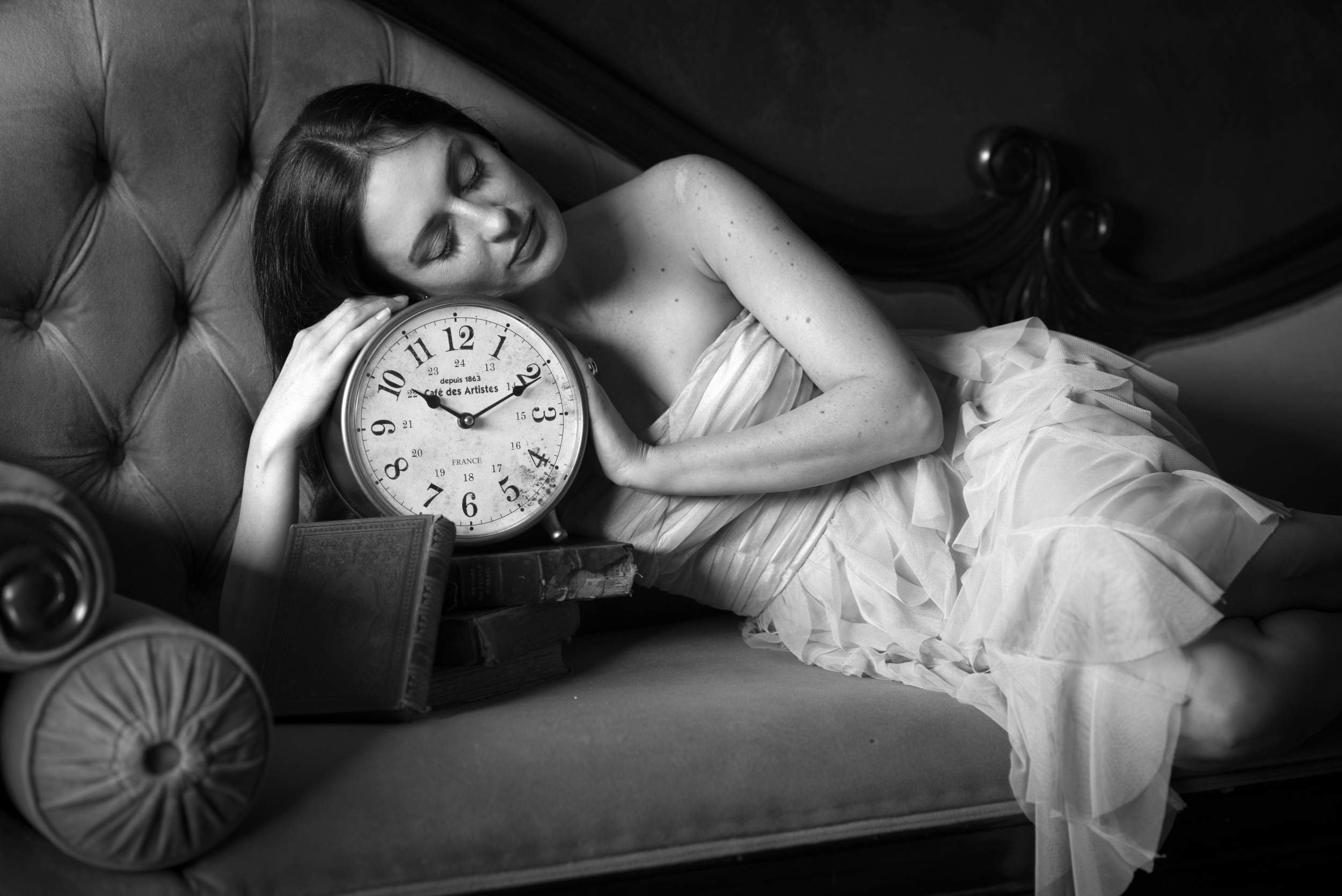
‘Natalya9777’ by Shuki Laufer
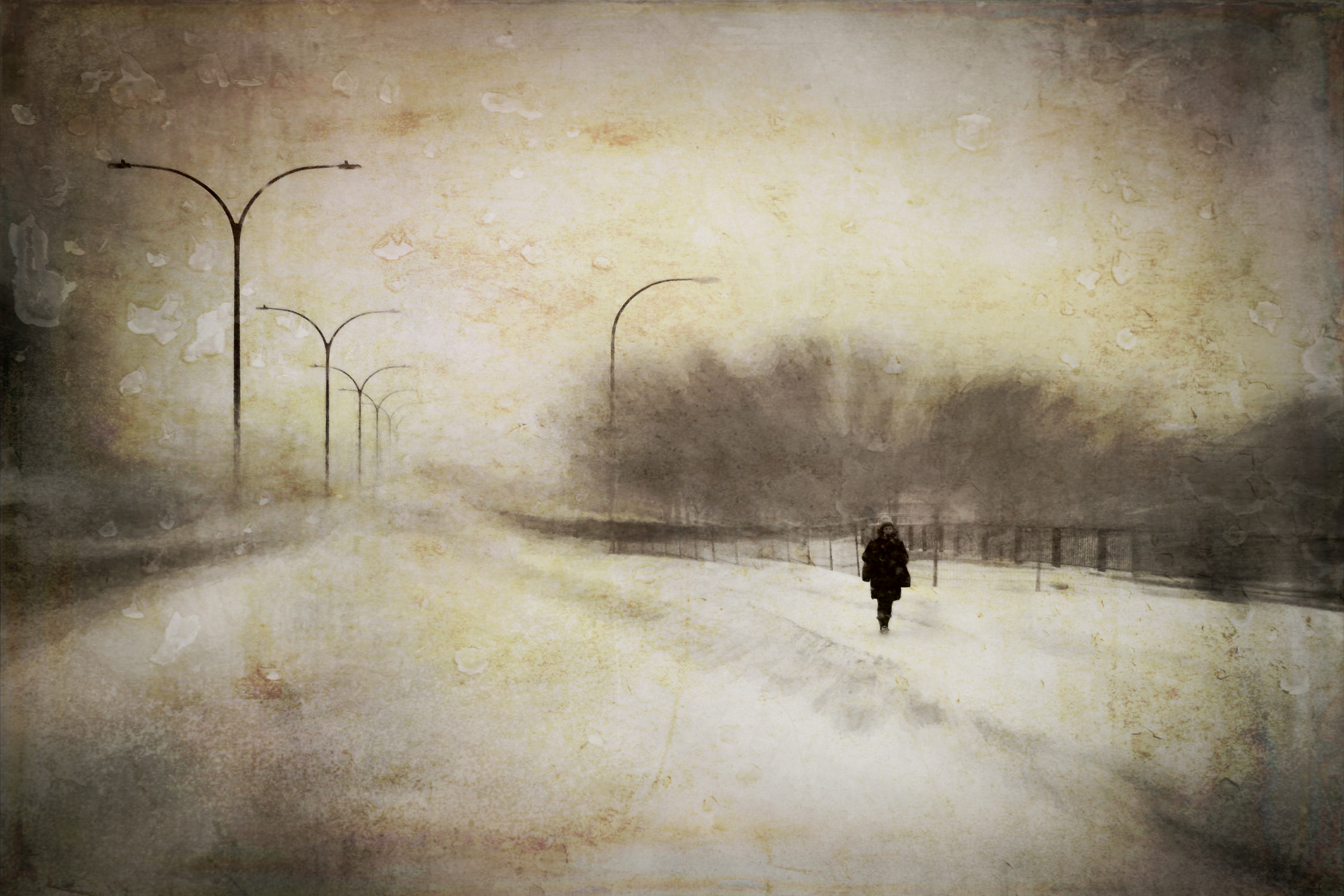
‘Solitude’ by Daniel Castonguay
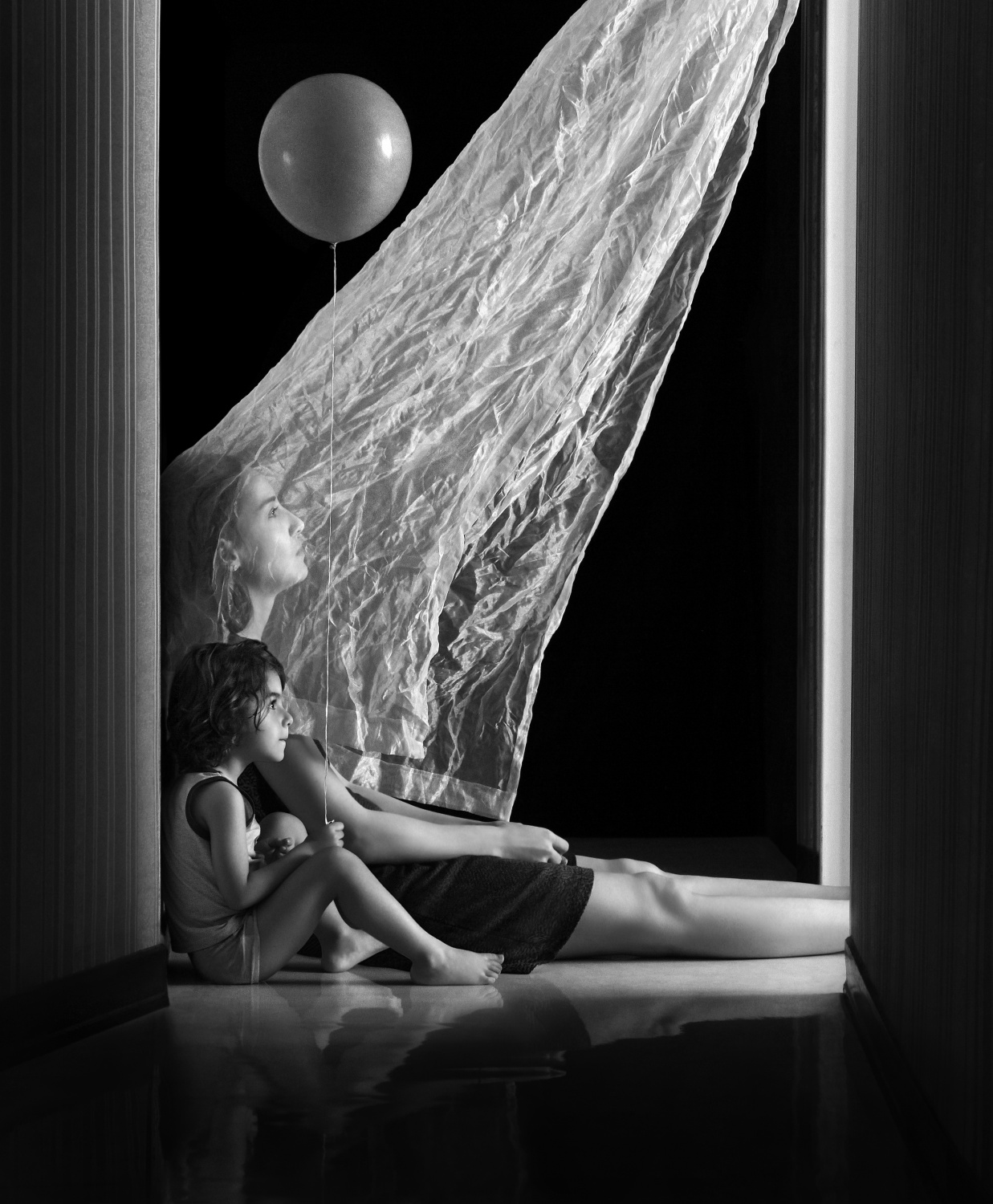
‘Mom and son’ by Maryam sadat Ahmadi
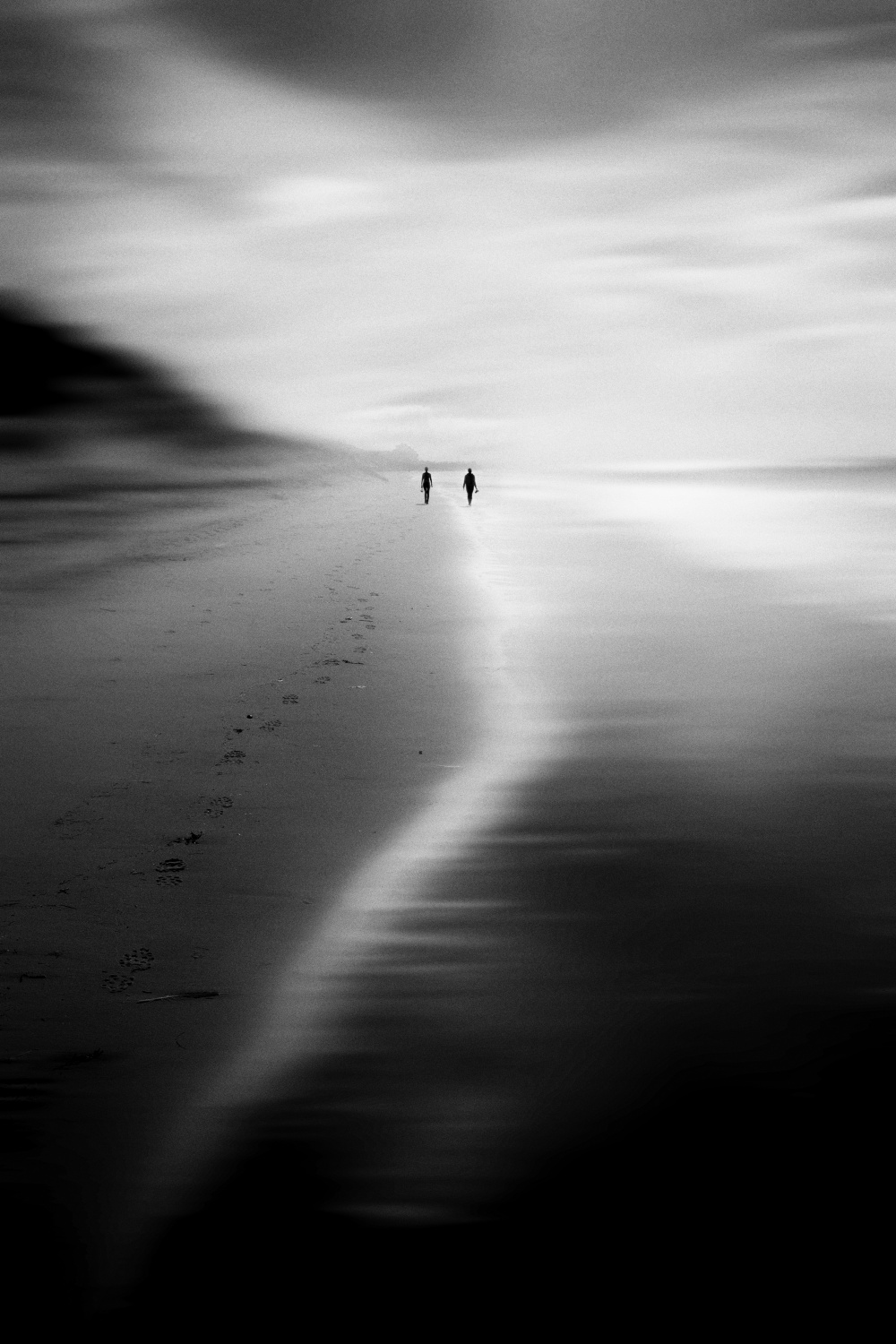
‘Une vie à deux’ by Eric Drigny
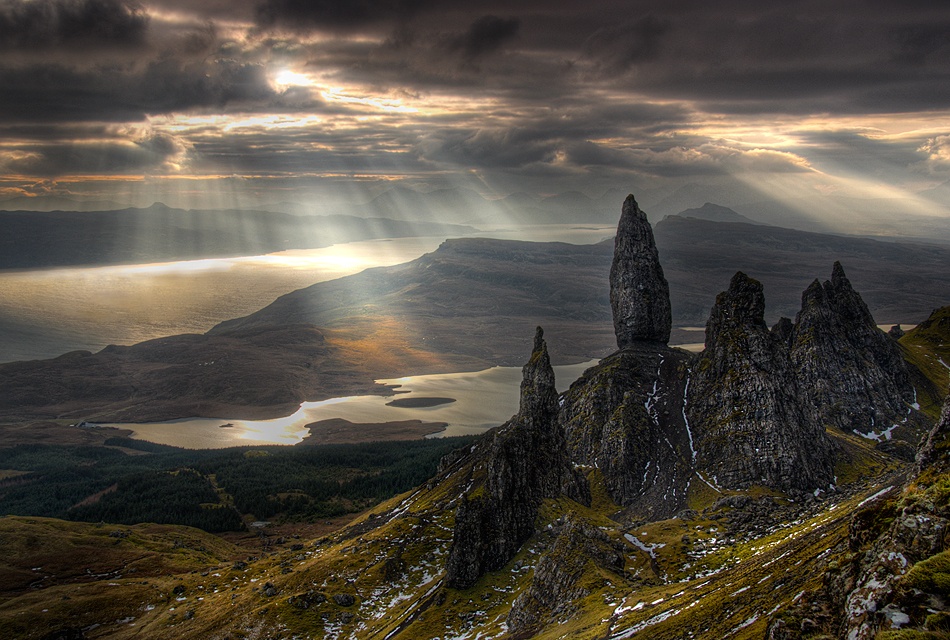
‘Rays of Storr’ by Gary Howells
|
 | Osama Alsulami PRO A beautiful and informative article.
Thank you for choosing my photo. |
 | Elena Raceala CREW Great article! Thank you, dear Laurens and Yvette!! |
| Yvette Depaepe CREW Thanks for passing by and enjoying this article, dear Elena ;-) |
| | Jay Satriani PRO Very good article in understanding composition adds more knowledge and excellent works.. thanks To editor Laurens and old friend Yvette.. best regards to all |
| Yvette Depaepe CREW Thanks in the name mof Lourens, dear old friend ♥ |
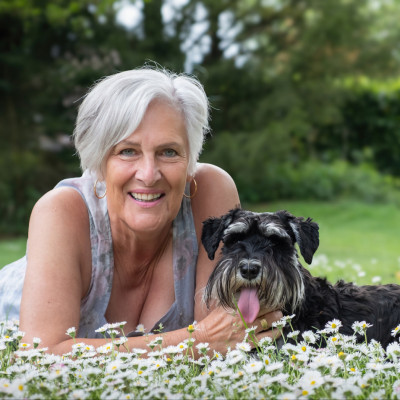 | Els Keurlinckx PRO Thank you for using one of my images in your very interesting and informative article. |
| Yvette Depaepe CREW THanks for your appreciation, dear Els! |
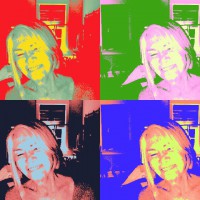 | Jane Lyons CREW Very informative article, Lourens. Thank you. |
| Yvette Depaepe CREW Thankls in the name of Lourens, Jane ... |
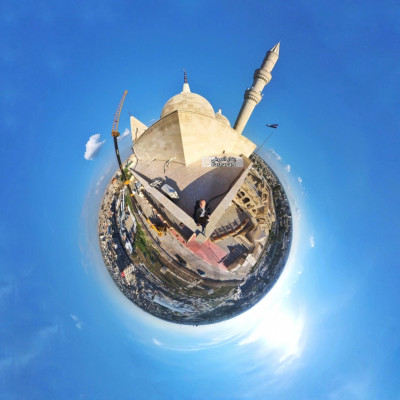 | Bashar Alsofey PRO Thank you for featuring one of my photographs in your important and useful article. I was delighted to be included alongside other members in this wonderful piece.
Bashar. |
| Yvette Depaepe CREW A deserved selection, dear Bashar ... Thanks for your appreciation! |
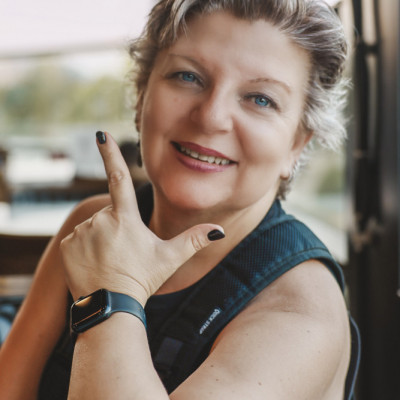 | Cicek Kiral CREW Dear editors, @Lourens Durand and @Yvette Depaepe thank you for this informative and expository article on composition and how our brains interpret the information in an image. I am more than glad to be part of this article. I wish I had had these insights presented this way when I started photography. Thanks once more....Cicek |
| Yvette Depaepe CREW That is a huge compliments, Cicek ... In the meanwhile you developped tremendous good skills. Your turn to inspire beginning photographers ;-) |
| Cicek Kiral CREW Thanks a lot dear friend. Likewise....I am part of a great team here. |
by Yvette Depaepe
Published the 21st of September 2026
Shuki Laufer is always looking for emotion, expression, beautiful light and simplicity.
To him, the human body is one of the most beautiful subjects in art.
Whether he is photographing someone in a studio or on a busy street somewhere in the world, his aim is to create timeless images. Humour also plays an important role in his street photography. Everyday life is full of playful moments, but we often fail to notice them because we don't take the time to look. Join me as I explore this talented photographer's studio work and street photographs.
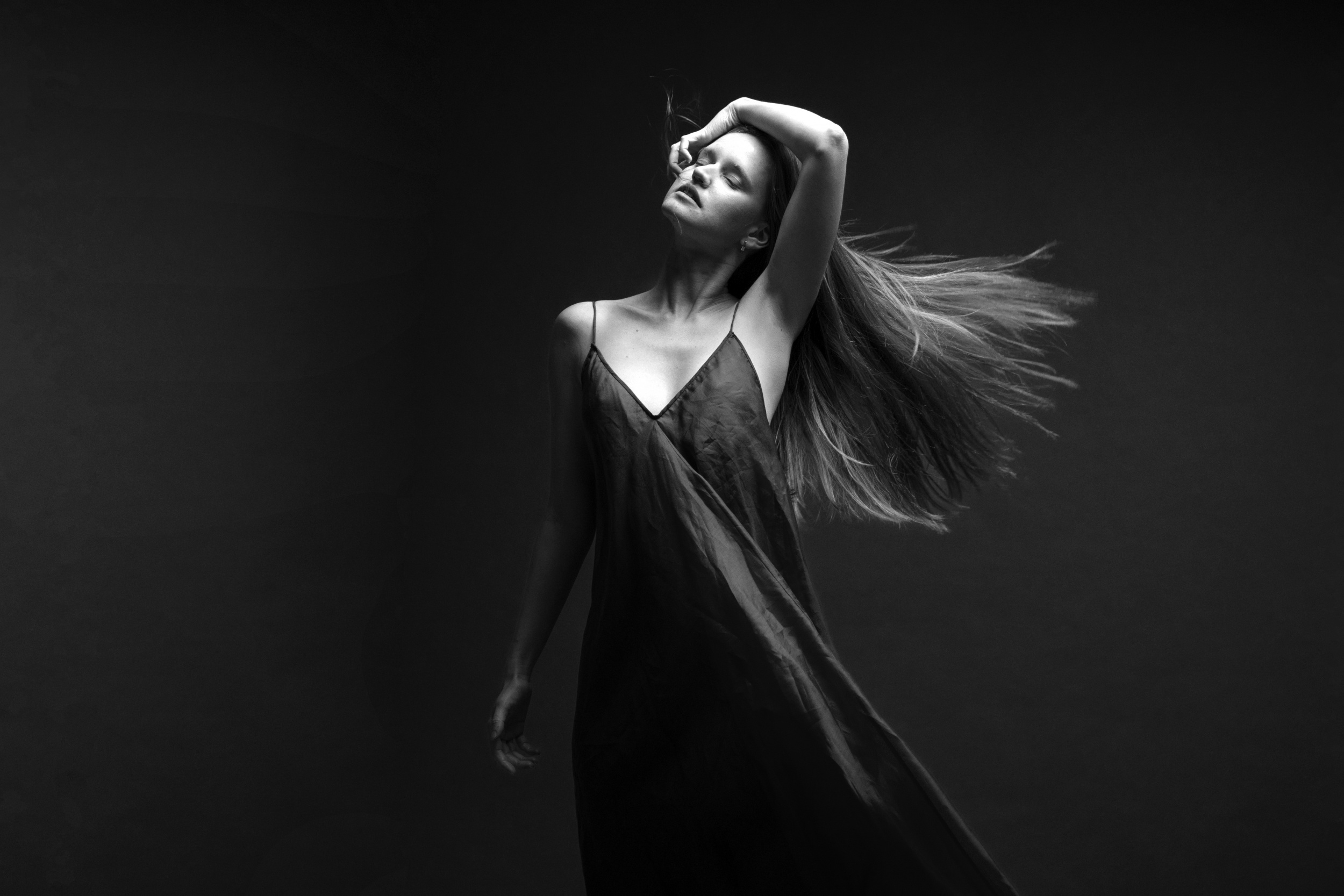
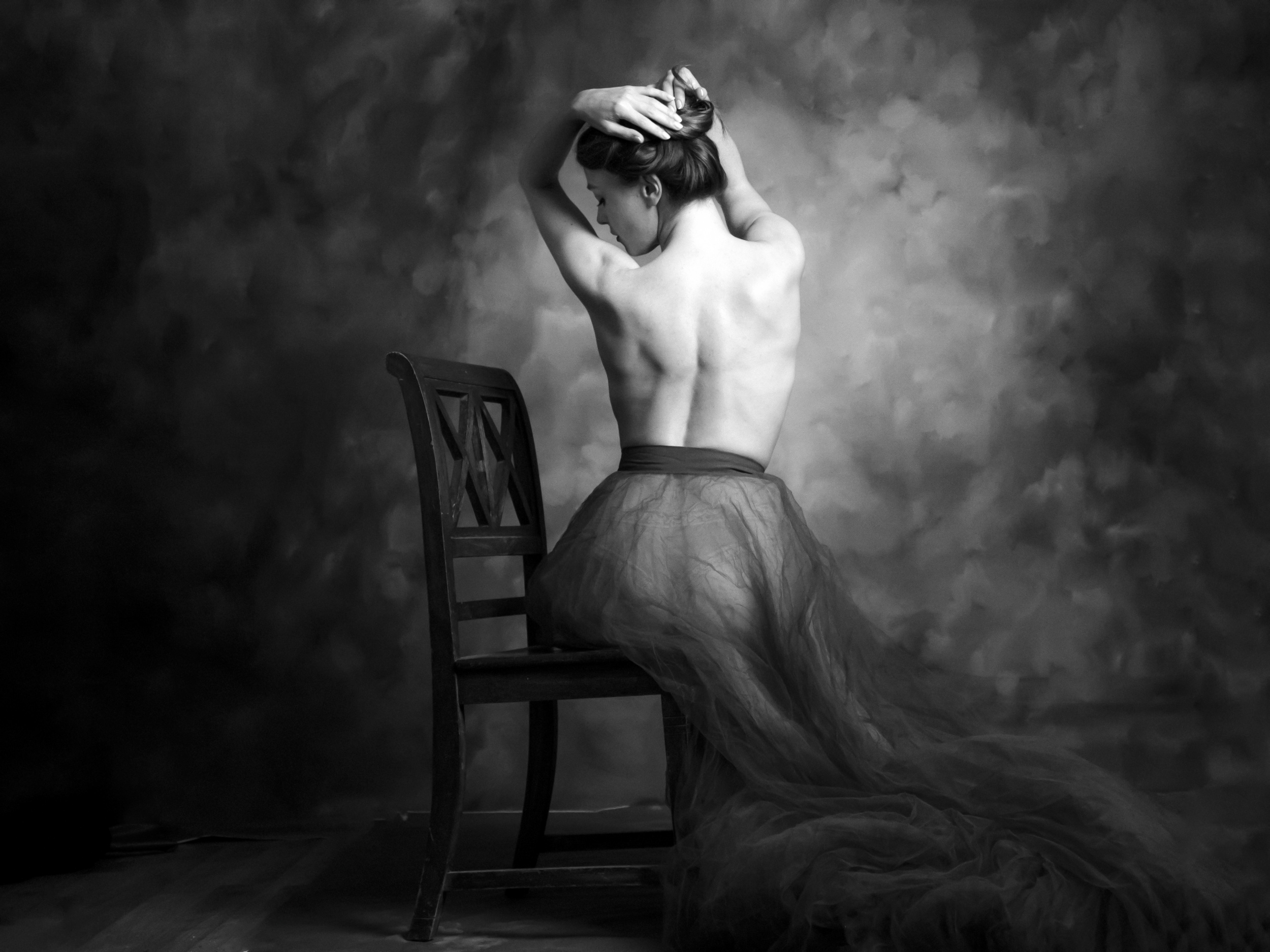
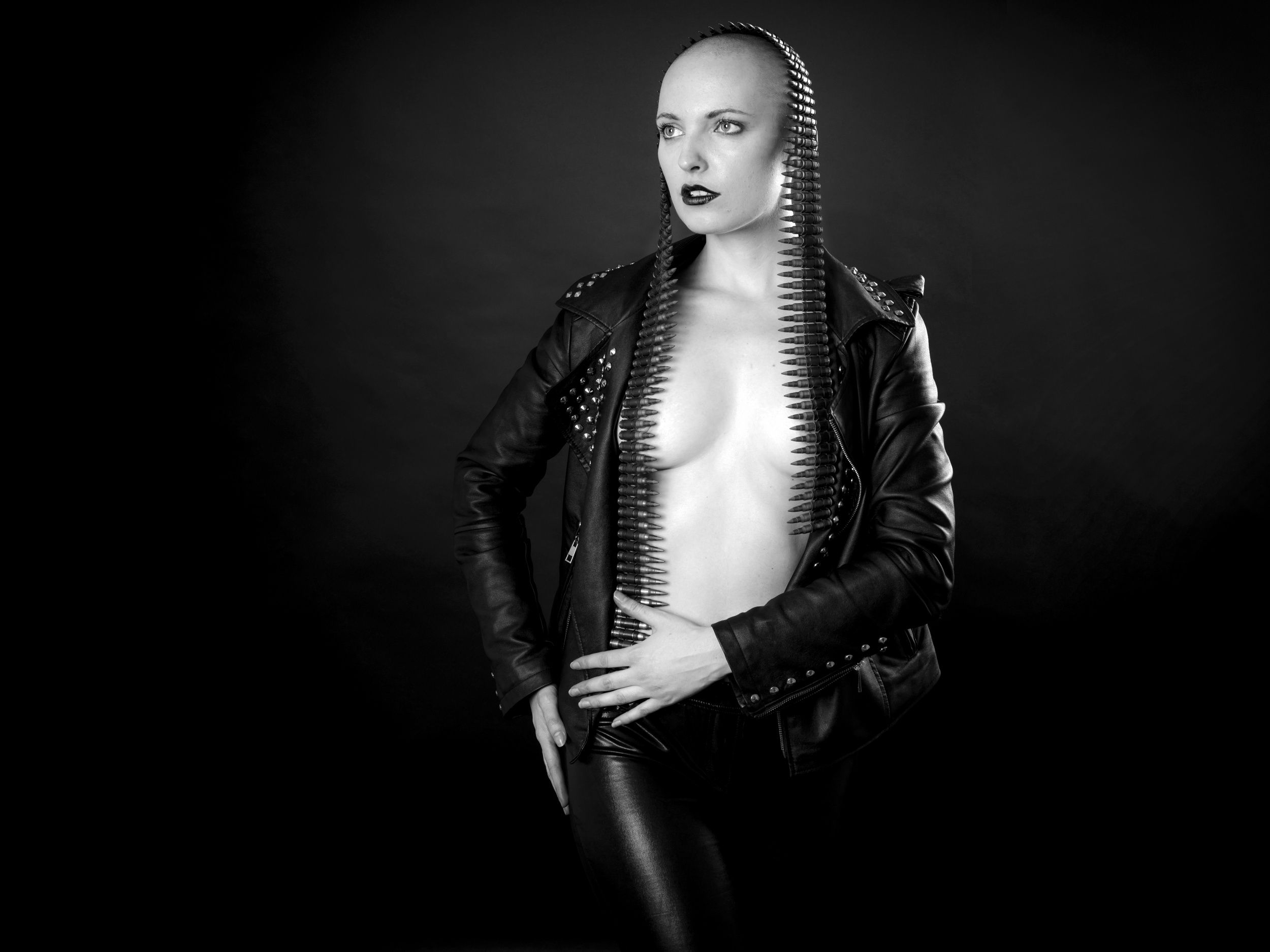
I also volunteered as a photographer for a company that manufactures tactical equipment for many years. There, I set up a studio, took countless photographs of models and developed a deep understanding of studio lighting and portrait photography. This became another important chapter in my photographic journey.
How and when did you start your journey in photography?
I received my first camera when I was thirteen, and from that moment, I was fascinated by the ability to capture a moment in time. I soon became the unofficial photographer of my primary school class, documenting my classmates and everyday life around me. In retrospect, I realise that I was already doing what I still enjoy today: photographing people and capturing genuine moments.
I started with black-and-white photography, and I have loved it ever since.
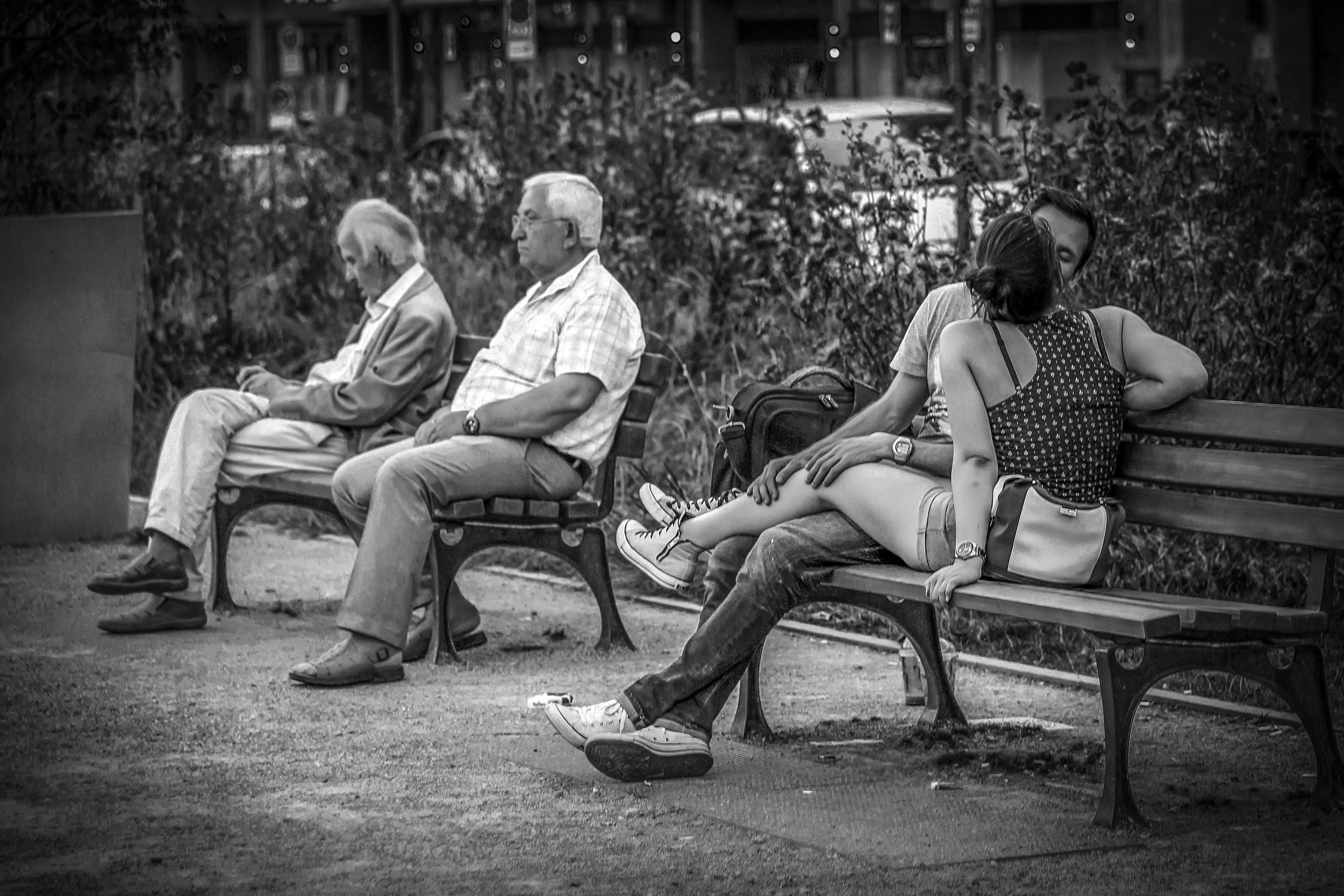 Street2725
For many of us, photography is a hobby or a way of life. So, how would you describe your relationship with photography?
Photography has always meant much more to me than just a hobby. It is a way for me to express myself without words. Through a single frame, it enables me to convey emotions, humour, beauty and humanity.
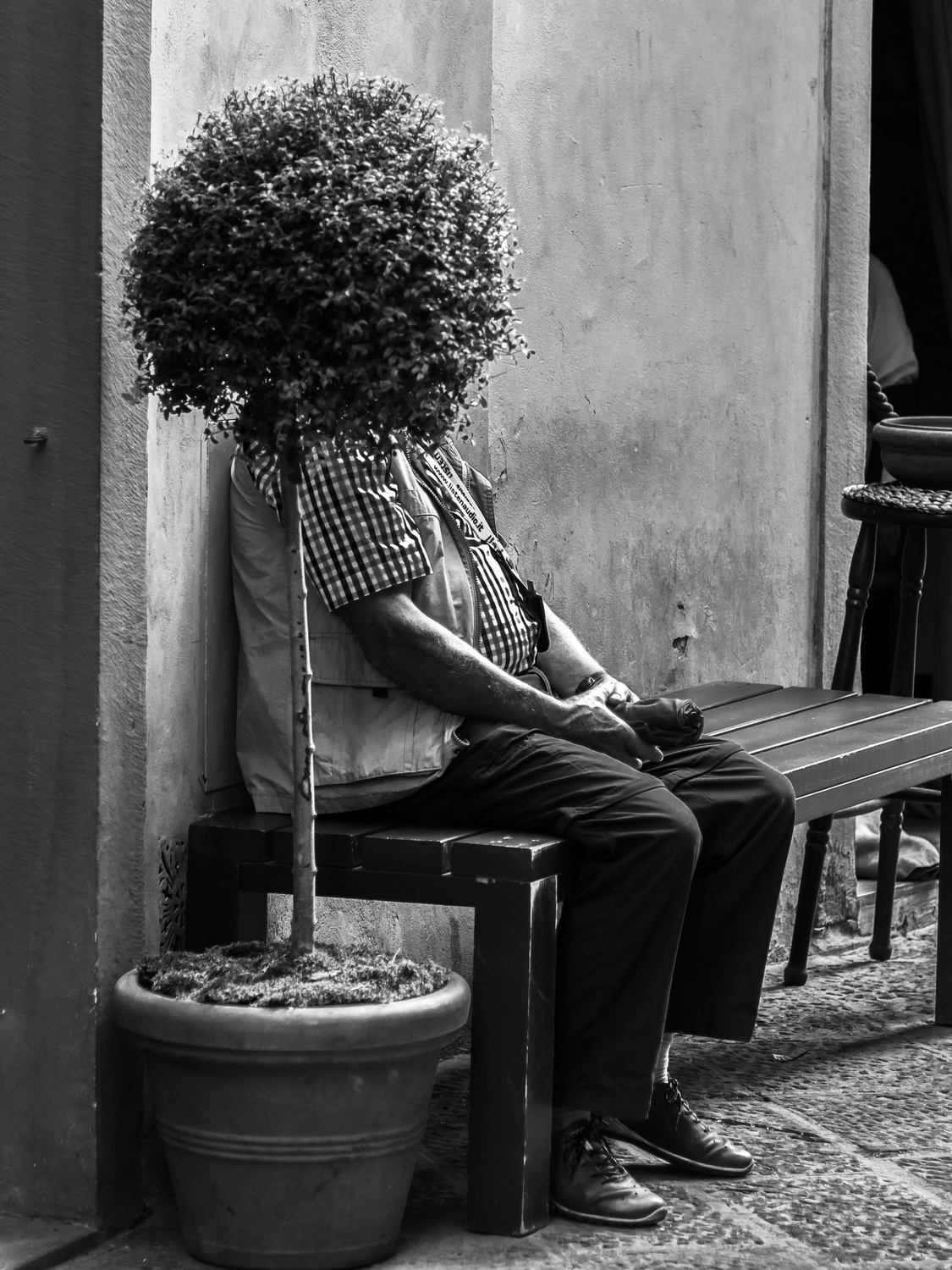 Street8084
I never wanted photography to become a business. By keeping it as a passion, I am free to create whatever speaks to me. I take photographs because it feeds my soul, not because I have to.
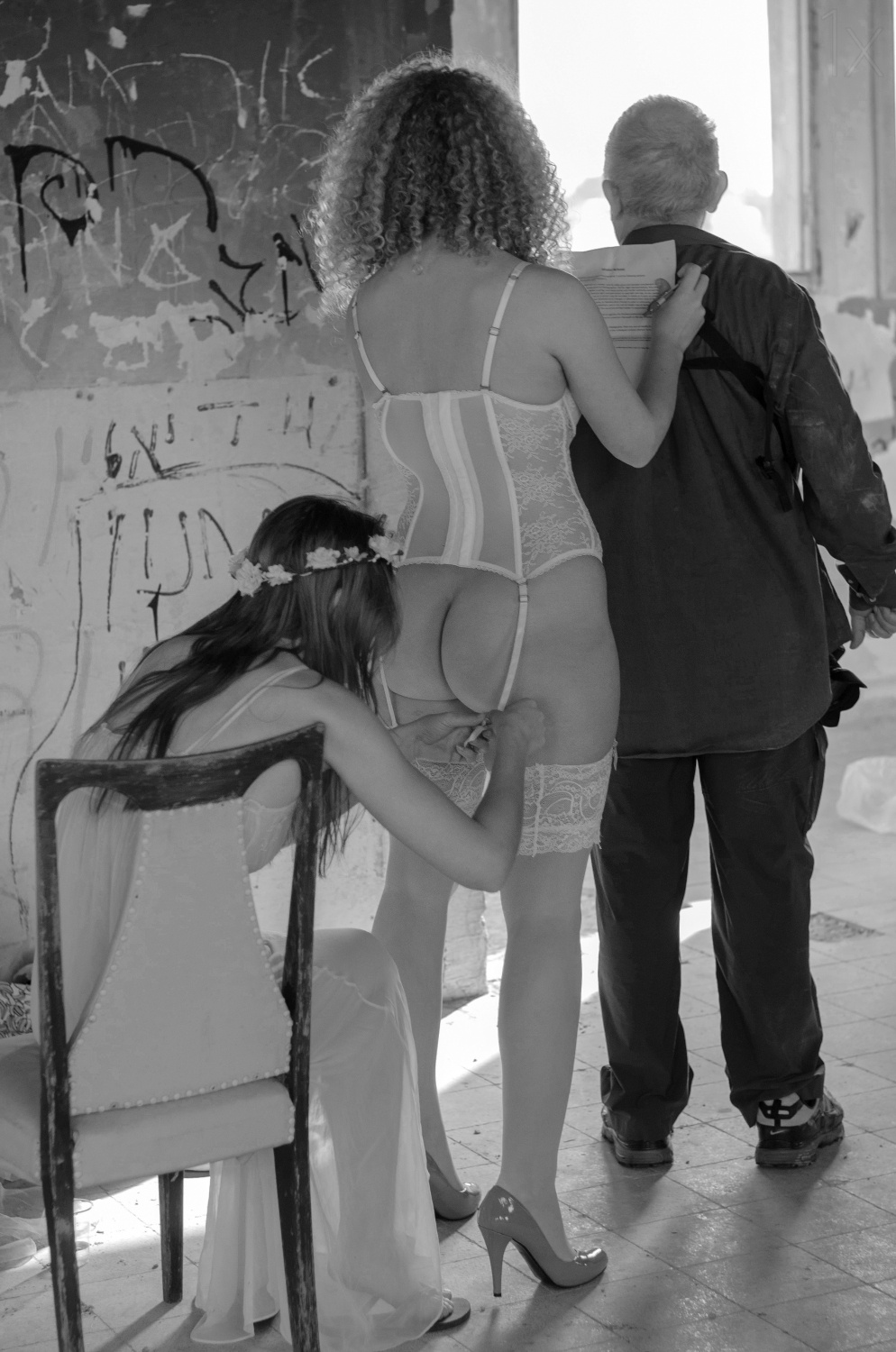 Draco8850
Which experience has had the greatest influence on your work so far?
Each stage of my journey has taught me something valuable. For example, street photography taught me patience and observation.
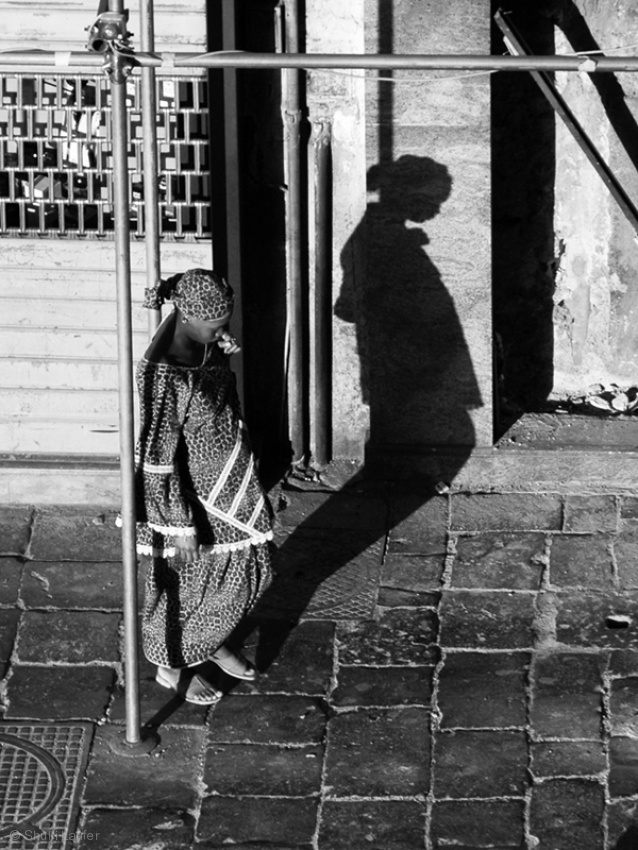 Street100_1291
My experience of studio photography taught me how to shape light and work with people.
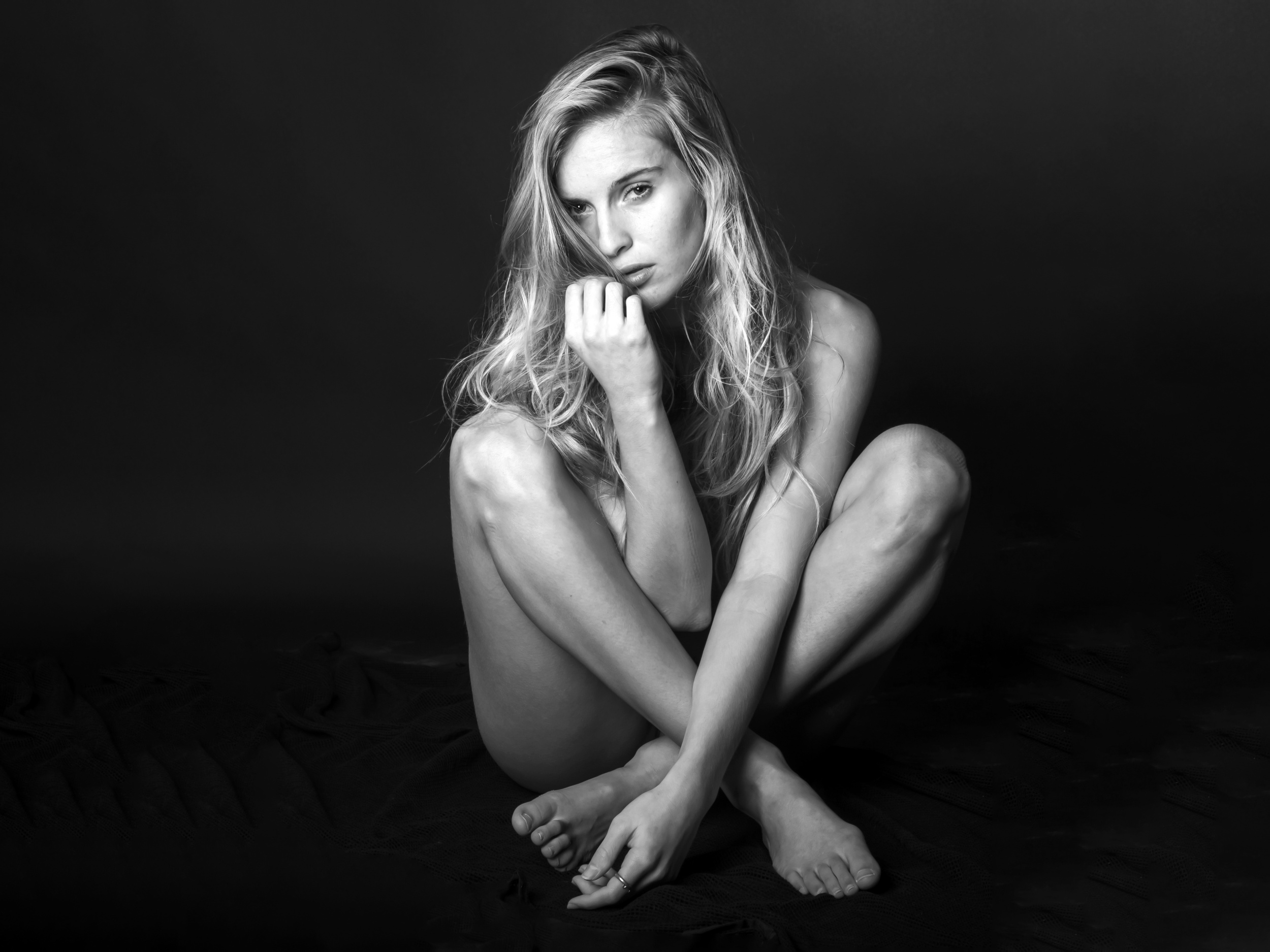 Terez3922
Travelling around the world has taught me that emotions are universal, regardless of language or culture.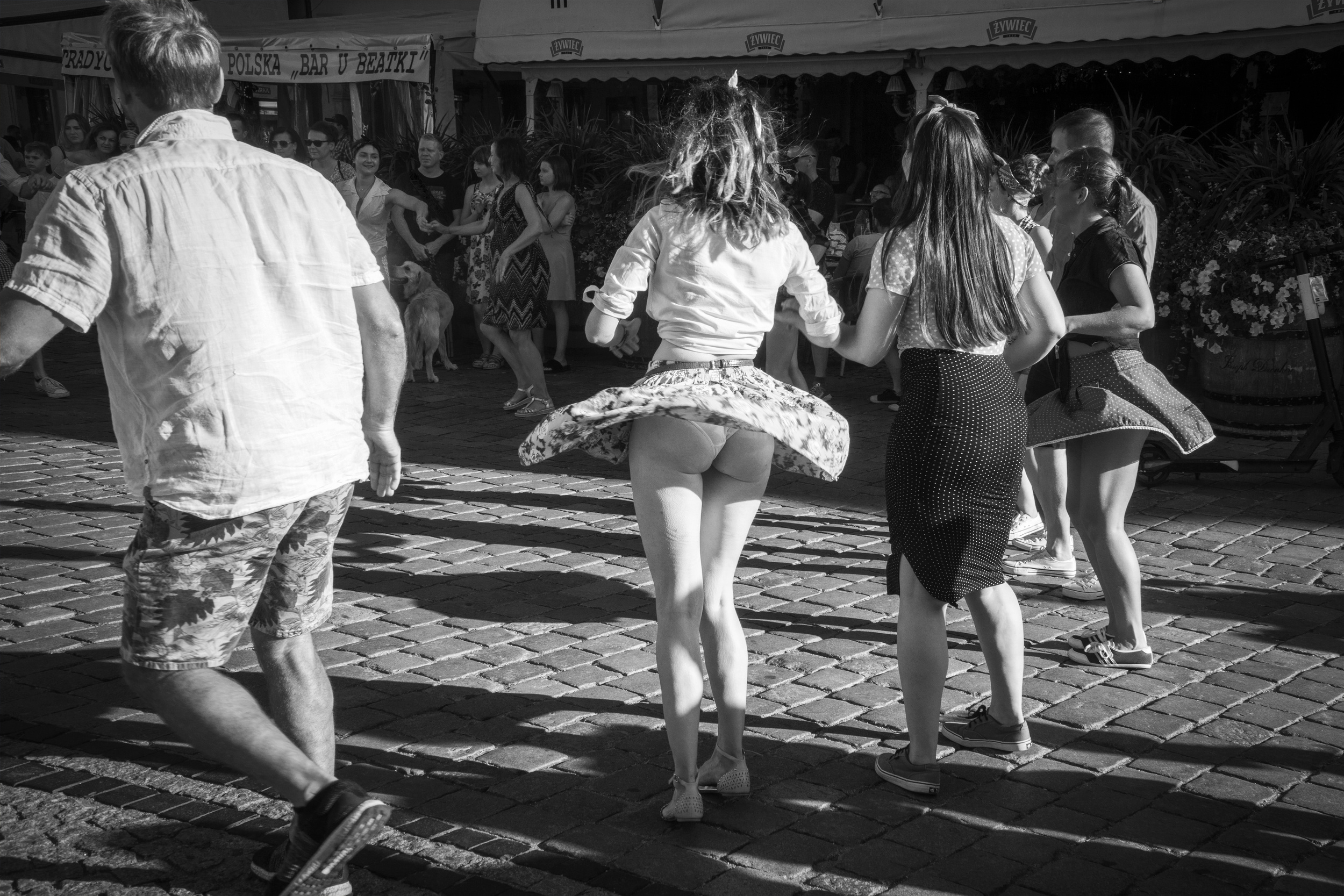
One particularly meaningful experience was taking part in an exhibition honouring Russian veterans to mark the 70th anniversary of the end of the Second World War in 2015. Photographing people whose faces bore the weight of history served as a reminder of the power of portraiture.
Your fine art nudes are outstanding. What inspired you to specialize in this type of photography?
To me, the human body is one of the most beautiful subjects in art. I never approach nude photography with the intention of being provocative. I see it instead as a study of light, form, gesture and emotion.
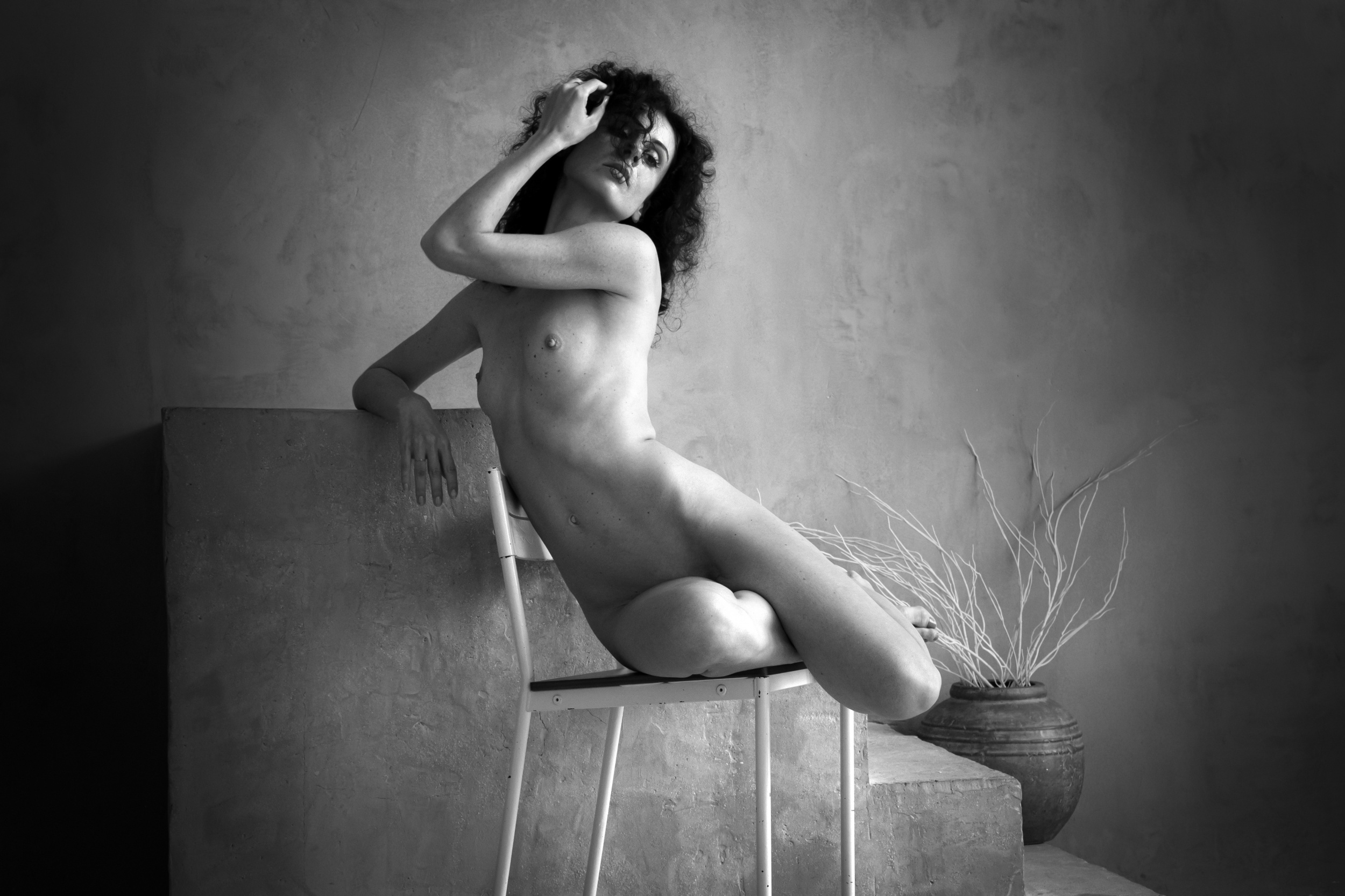 Olga08383
The challenge lies in creating an image that feels elegant, timeless and artistic. Every pose, shadow and highlight contributes to the story being told without words.
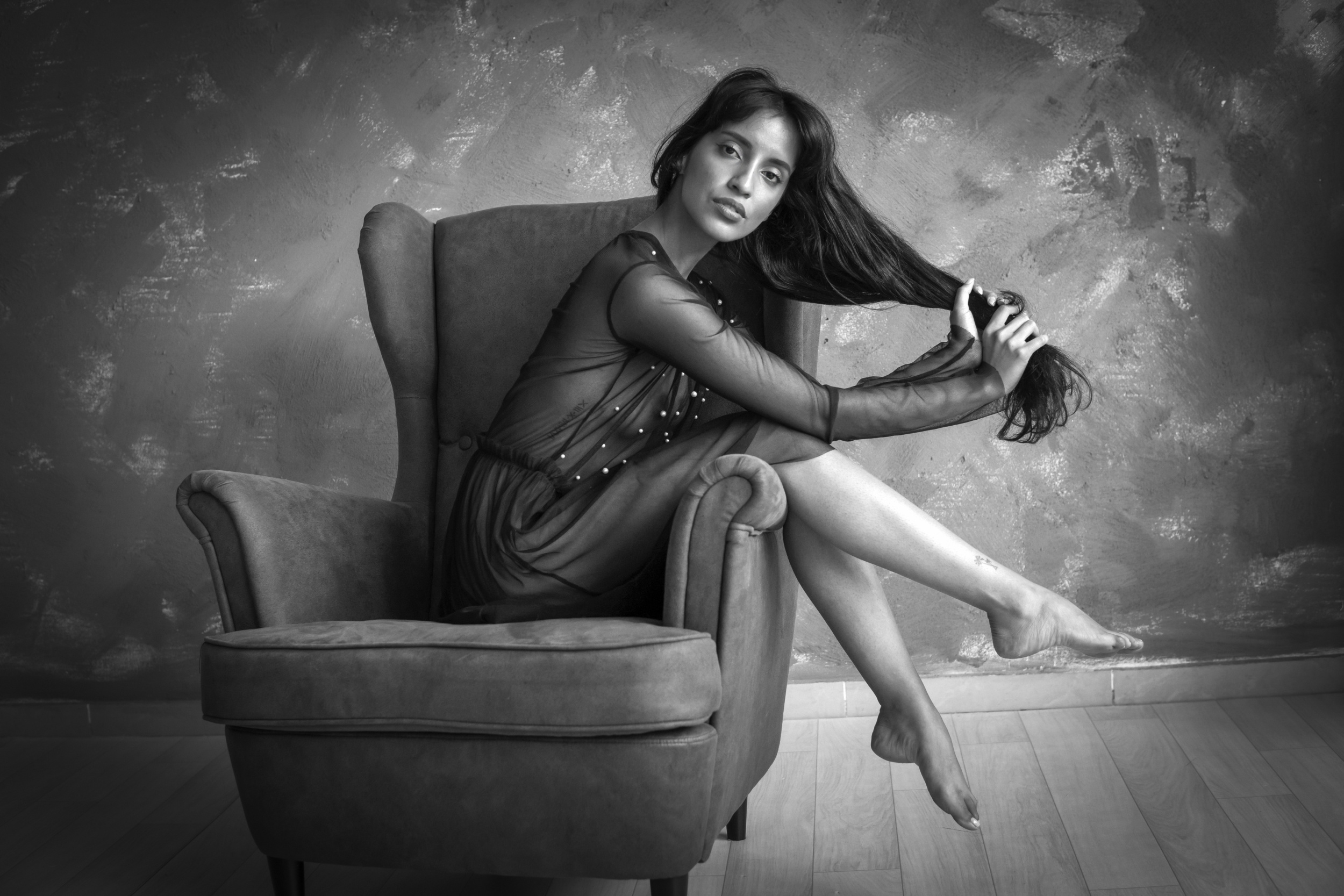 Viviane06326
Which is more important to you: the mood or story behind your images, or technical perfection?
Emotion will always come first.
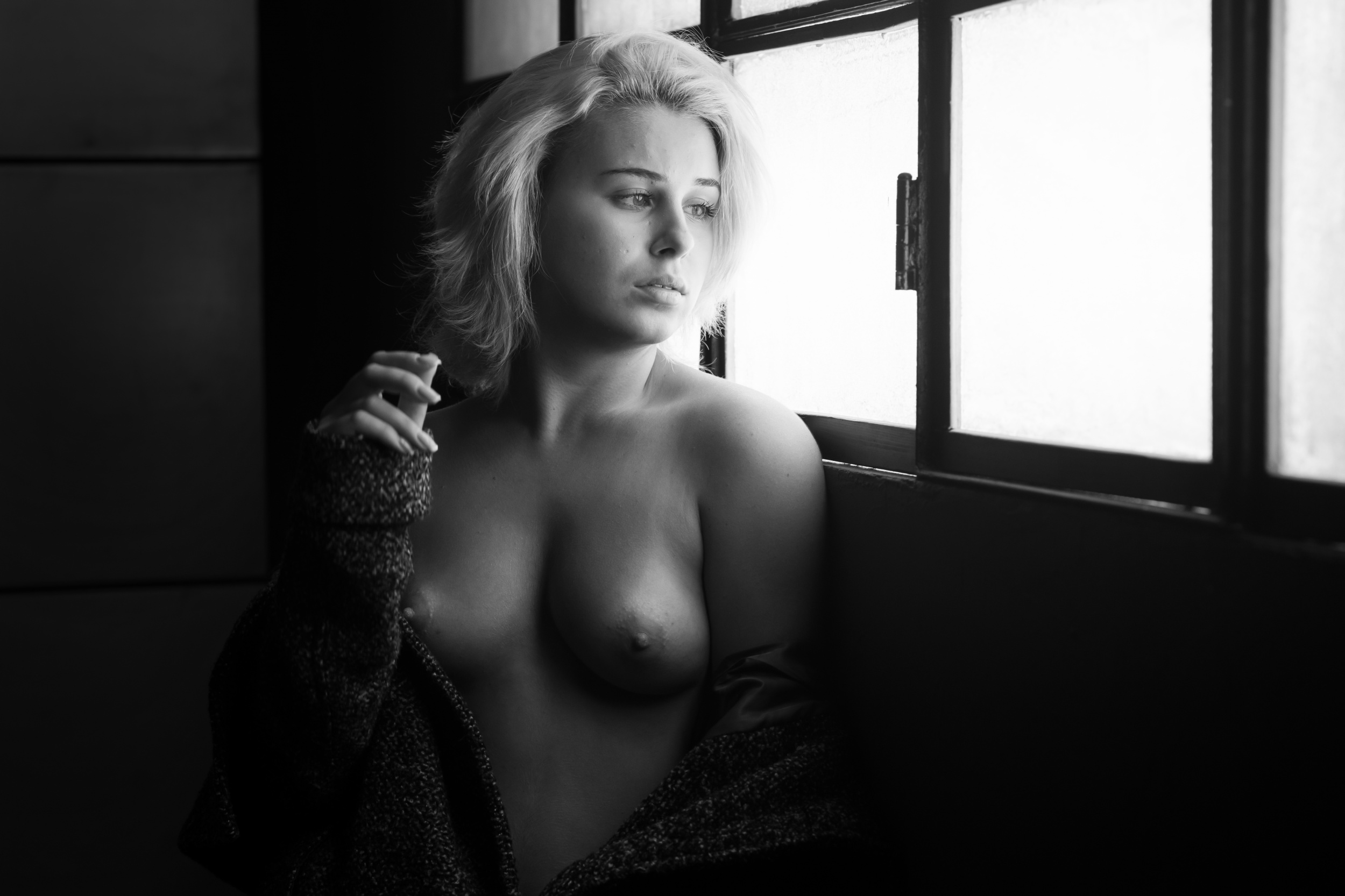 Roni3744
Technical knowledge is important because it provides the means to bring your vision to life. However, a technically perfect photograph that lacks emotion rarely leaves a lasting impression. If an image makes someone stop and smile, wonder or feel something, then it has succeeded.
What is your relationship with your subject matter beyond simply observing it?
Do you prepare the locations and scenes that you intend to photograph in advance?
It depends on the type of photography.
In a studio, for example, everything is carefully planned. The lighting, composition and atmosphere are all intentionally created.
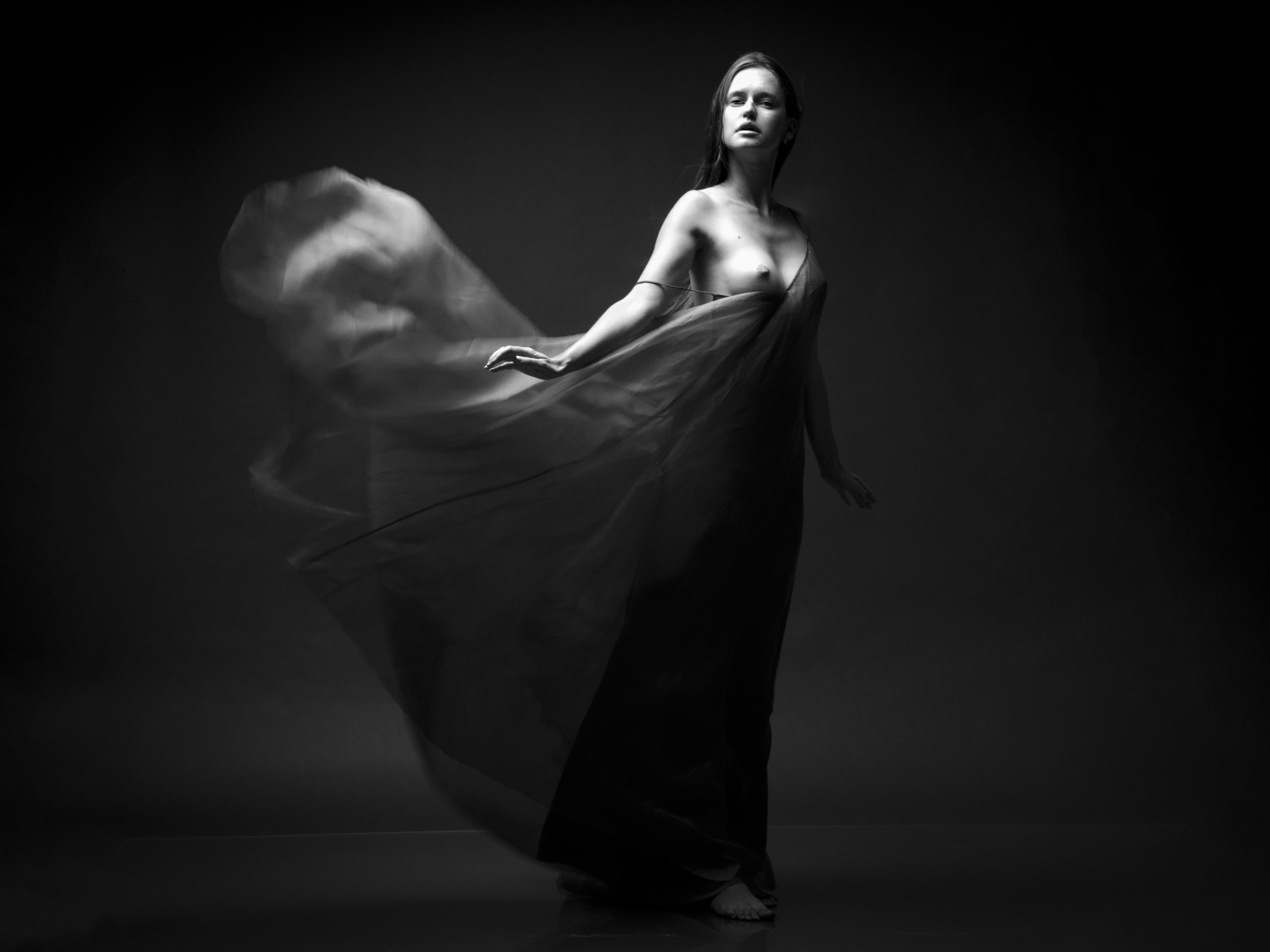 Natasha04253
Street photography is exactly the opposite. There, I simply observe life as it happens. I never force a moment. Instead, I wait patiently until everything comes together naturally. It is often those unexpected moments that become the most memorable photographs.
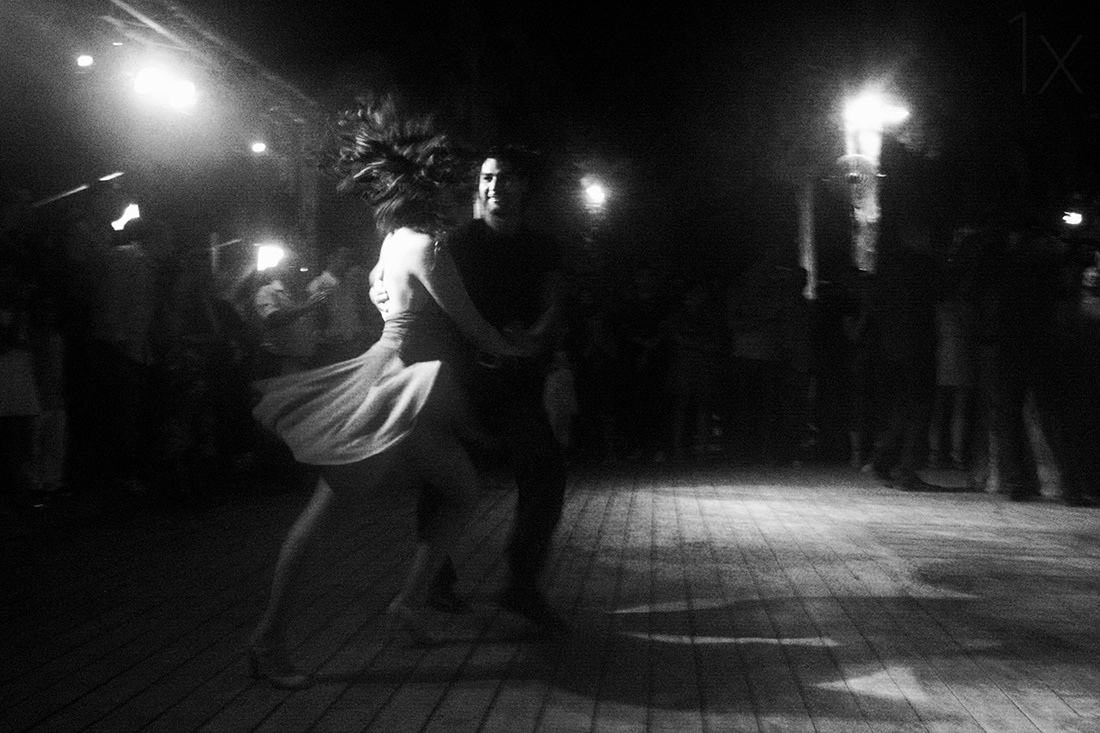 Sharon2319
Describe your vision for your photography.
I am always looking for emotion and expression, beautiful light and simplicity.
Whether I'm photographing someone in a studio or on a busy street somewhere in the world, my aim is to create timeless images. I love taking photographs that encourage viewers to pause and discover something new each time they look at them.
Humour also plays an important role in my street photography. Everyday life is full of playful moments, but we often fail to notice them because we don't take the time to look.
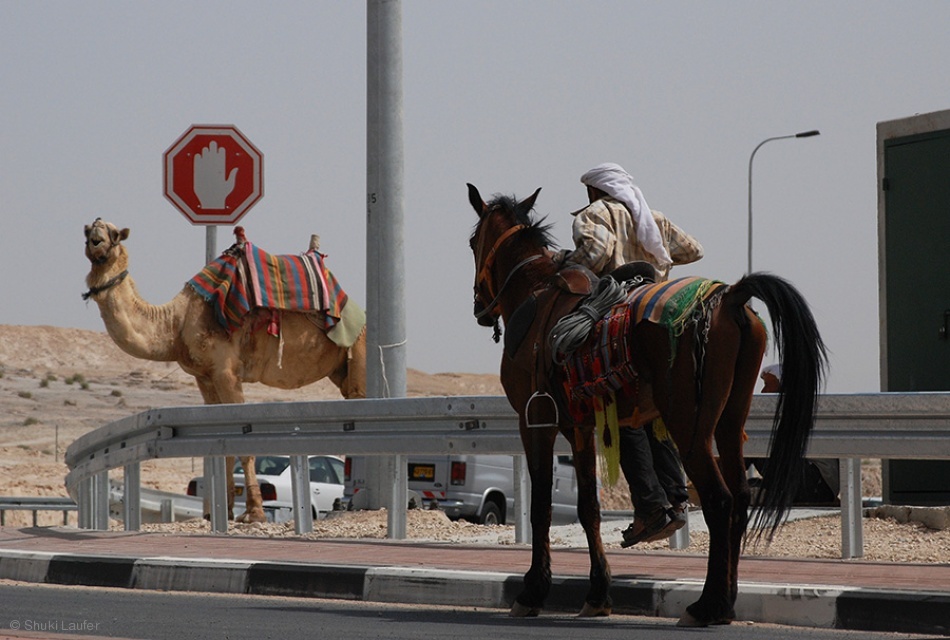 Stop
Stop
Could you tell us more about your creative process, from initial idea to final product?
The process begins with observation.
If I am working in the studio, I first imagine the desired mood and then design the lighting to match. During the session, I pay close attention to expressions and small details, as these can transform a good image into a memorable one.
Afterwards, I edit the images as little as possible. I only make light adjustments to exposure, contrast and basic corrections. I do not believe in heavily manipulating photographs. I prefer to preserve the authenticity of the moment.
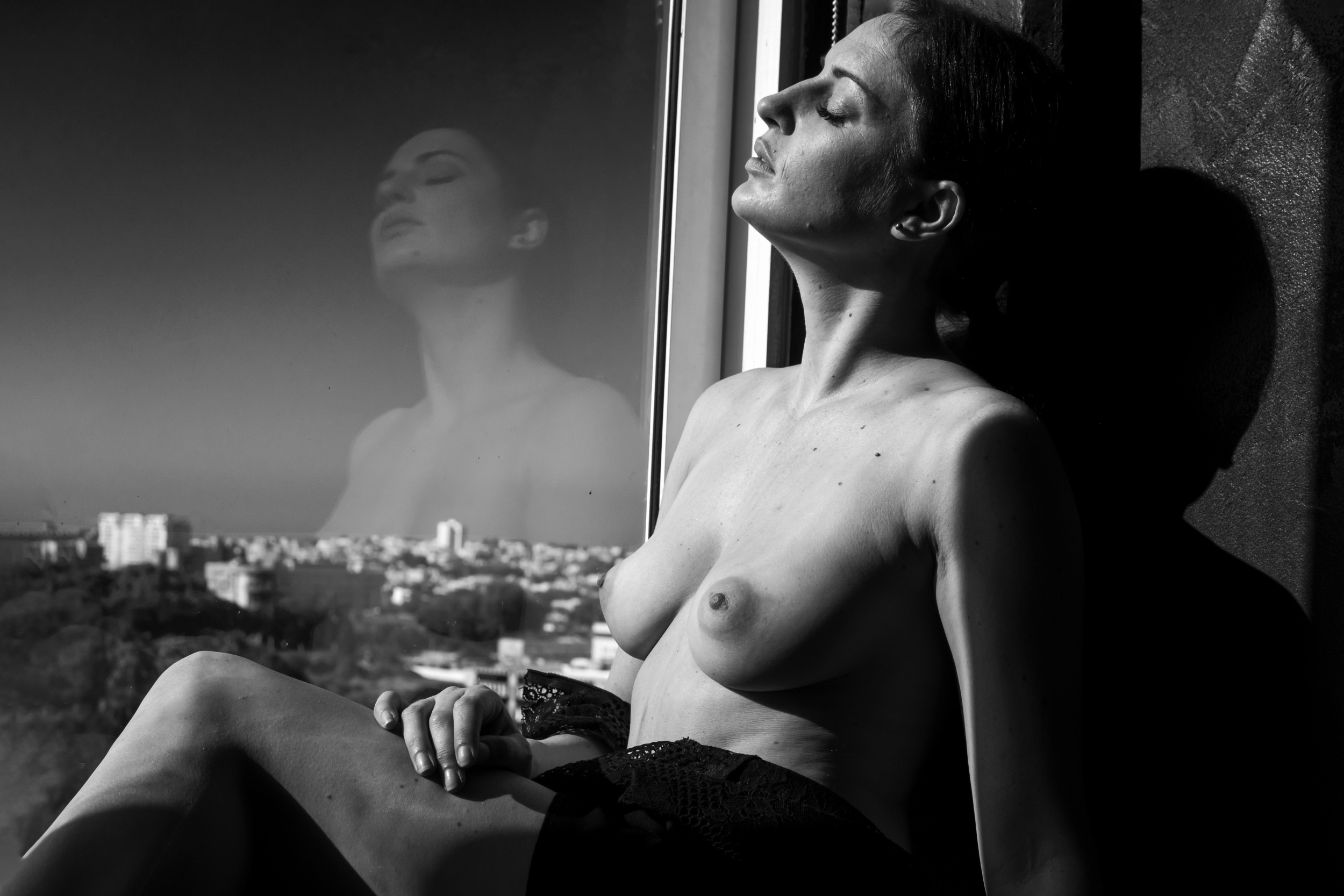 Natalia00688
Where do you find inspiration, and what inspires you most?
Nothing inspires me more than people.
I love sitting in cafés, strolling through cities and travelling the world with my camera. Every destination has its own unique character, stories and emotions.
I also continue to admire classic black-and-white photography, which constantly reminds me that simplicity can create the most powerful images.
Many people believe that gear is unimportant if you're passionate about photography. Could you please tell us what equipment you use, such as your camera, lenses, lighting and tripod?
I started my photographic journey with Nikon cameras, which were my trusted companions for many years. More recently, I have been working with Sony equipment, which I very much enjoy using for both studio and travel photography. In the studio, I mainly use an 85 mm lens.
Which is your favourite photo? Please tell us the story behind it.
It's never easy to choose a favourite photograph, but if I had to pick one, it would be this image, which I captured while travelling in Prague.
The dramatic interplay of light and shadow across the wall immediately caught my attention. Then, in a split second, I noticed a woman standing in the window, with a hand reaching towards her from the darkness inside. To me, it instantly felt like a scene from an Alfred Hitchcock film: full of mystery and suspense, and leaving the viewer to imagine what was happening beyond the frame.
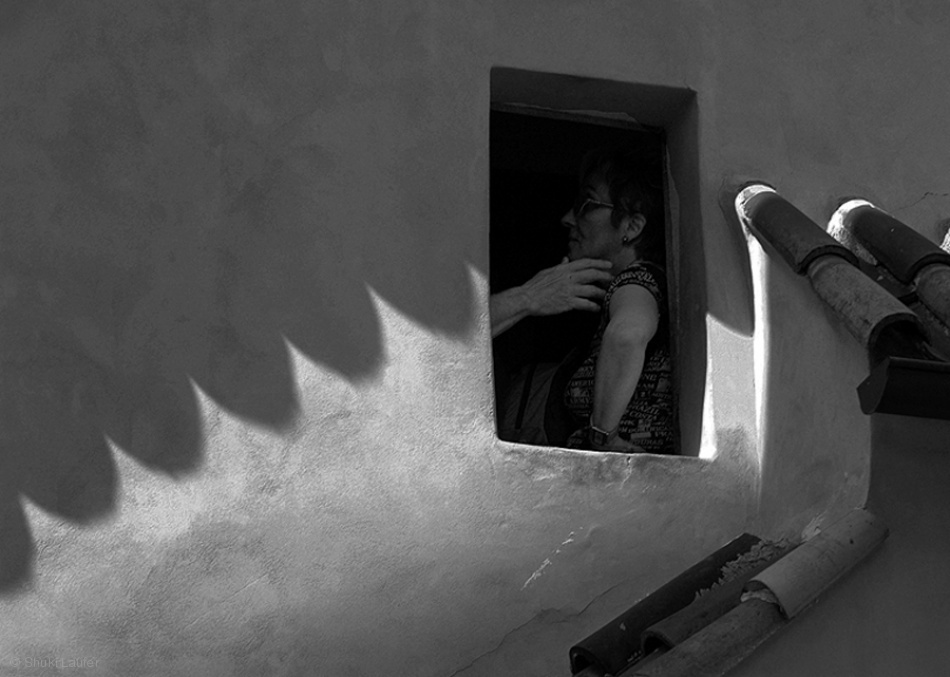 Street0098
Which photographers or mentors have influenced you the most?
Without a doubt, Henri Cartier-Bresson has had the greatest influence on me. His ability to recognize what he termed the 'decisive moment' transformed the way I view photography. His work taught me that timing, observation and simplicity can be more powerful than complexity.
As we're coming to the end of this interview, could you tell us about any photography projects you'd like to be involved in?
As long as I am able to hold a camera, I want to continue taking photographs of people.
I hope to travel to new places, discover new cultures and add to my street photography collection, while also creating fine art portraits and studio work.
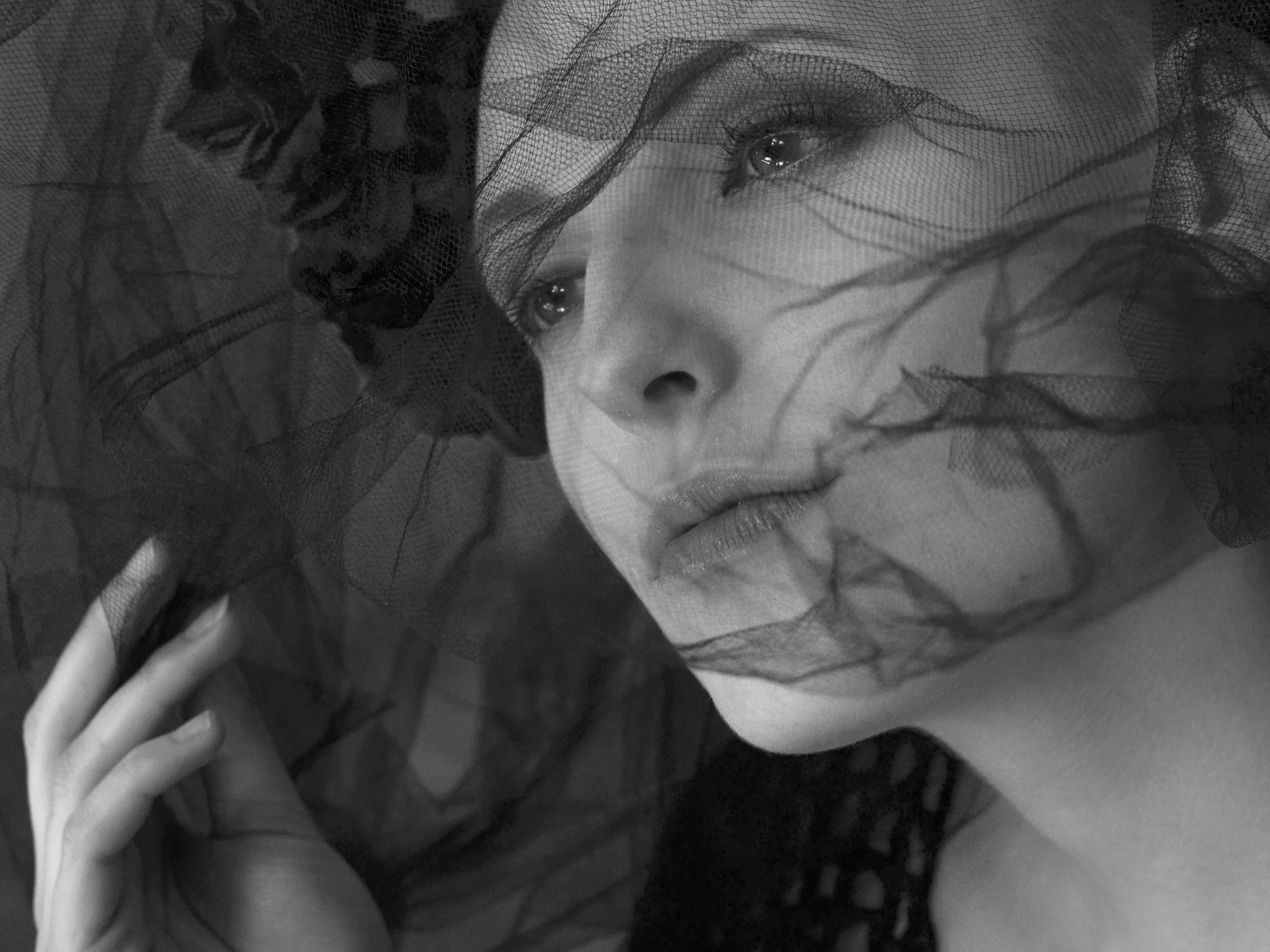 Karolina6008
Is there anything else you would like to add? What do you think about using 1x to showcase your work?
I joined 1x in 2010 and still remember how excited I was whenever one of my photographs was accepted for publication. The standard on 1x has always been exceptionally high, so having my work selected felt like a real achievement.
Over the years, I have learnt a great deal from the outstanding photographers on the platform, particularly with regard to portrait and street photography. Seeing such inspiring work has constantly challenged me to grow and refine my own vision.
I am very grateful to 1x for maintaining its high artistic standards, and for fostering a community that genuinely values quality, creativity, and thoughtful photography. It has been an honour to share my work alongside so many talented photographers.
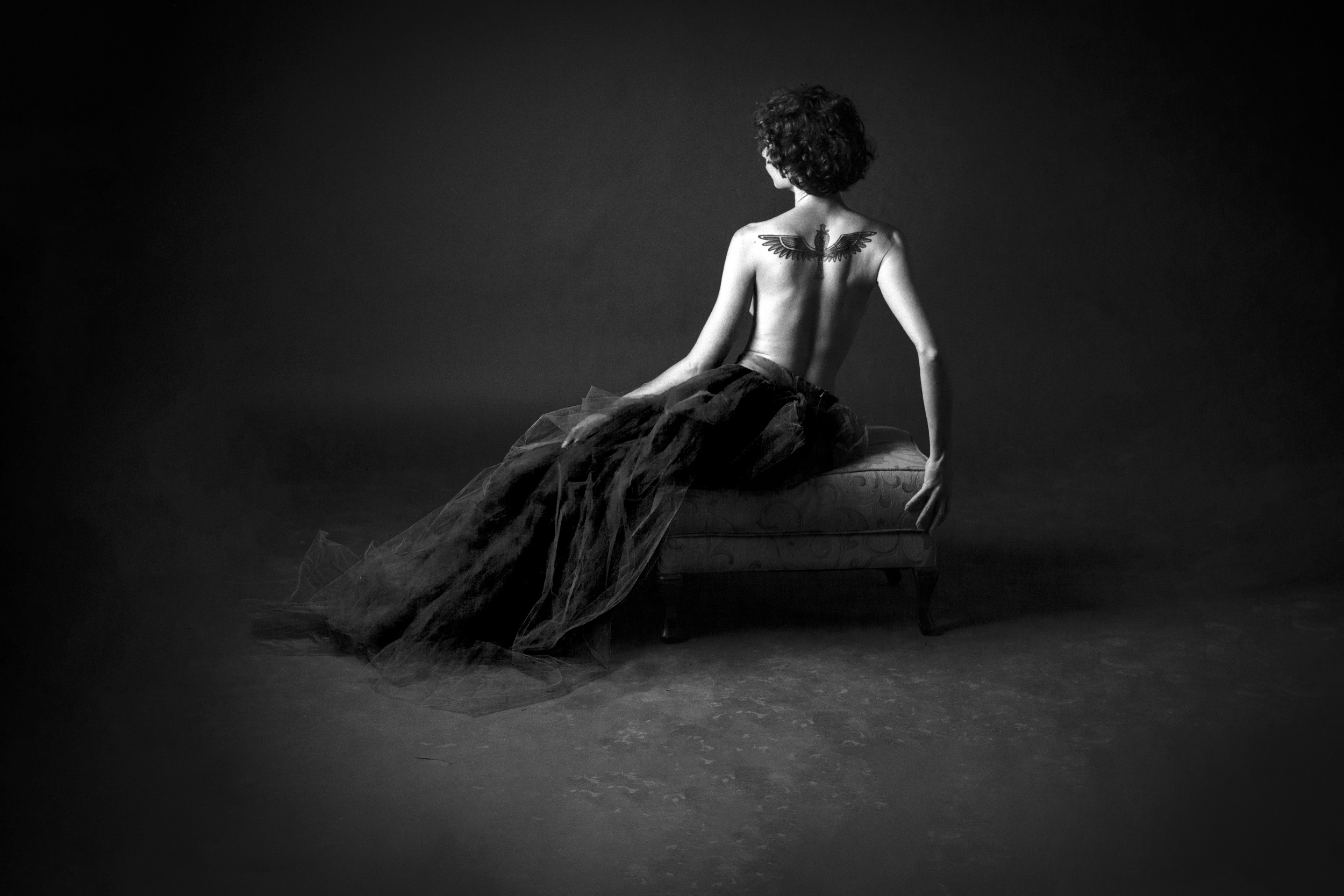 Yaroslava03011
|
| | Yaping Zhang PRO 祝贺所有伟大的艺术家,引人入胜的杰出美丽精彩艺术作品,非常鼓舞人心!也衷心感谢Lourens和Yvette!
|
| | Angelika Vogel PRO Many impressive stories in this pictures! Congratulations to all of the great artists and a big Thankyou to Lourens and Yvette! |
 | Peter Aczel PRO A very interesting, high-quality, and instructive article. It gives me great pleasure that my image was selected for inclusion—one in which I truly intended for lines and vectors to play a significant role. Thank you, Yvett; thank you, Laurens. |
| | Eiji Yamamoto PRO Dear Shuki, thank you so much for the fascinating interview with very beautiful and great photos! It’s really inspiring! Dear Yvette, thank you so much, as always! |
| Yvette Depaepe CREW Glad you admire Shiki's work, Eiji ... Thanks for your appreciation! |
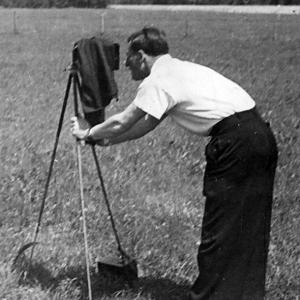 | Shuki Laufer PRO Thank you, dear Yvette, who has followed my work for many years and surprised me by arranging this interview.
I am truly grateful to you, and I hope everyone finds a photograph that speaks to them.
With appreciation,
Shuki |
| Yvette Depaepe CREW I love your work, Shuki ... like Jane says: your work is the definition of Fine Art. |
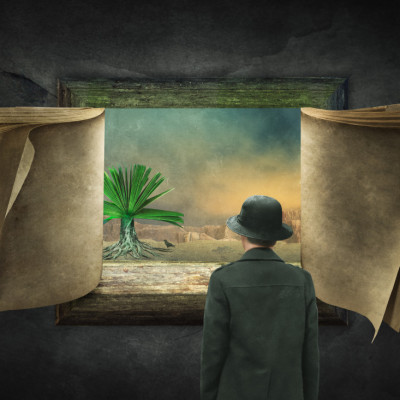 | Biao Huang PRO Fantastick! |
| | Jane Lyons CREW Shuki, your work is the definition of Fine Art. It is exquisite. I, too, love Street 0098. Thank you for sharing your work and to Yvette for bringing you to us. |
| Shuki Laufer PRO Thank you,Jane! |
| Yvette Depaepe CREW My pleasure, dear Shuki ... |
| | Imi Koetz PRO Excellent play of light and shadow !! Outstanding works !! I would like to congratulate : Shuki , Yvette and Jane !! |
| Shuki Laufer PRO Thank you,Imi! |
| Yvette Depaepe CREW Thanks Imi ... It is a pleasure to present such a talented photographer to our readers. |
by Editor Jane Lyons
Edited and published by Yvette Depaepe, the 18th of September 2026
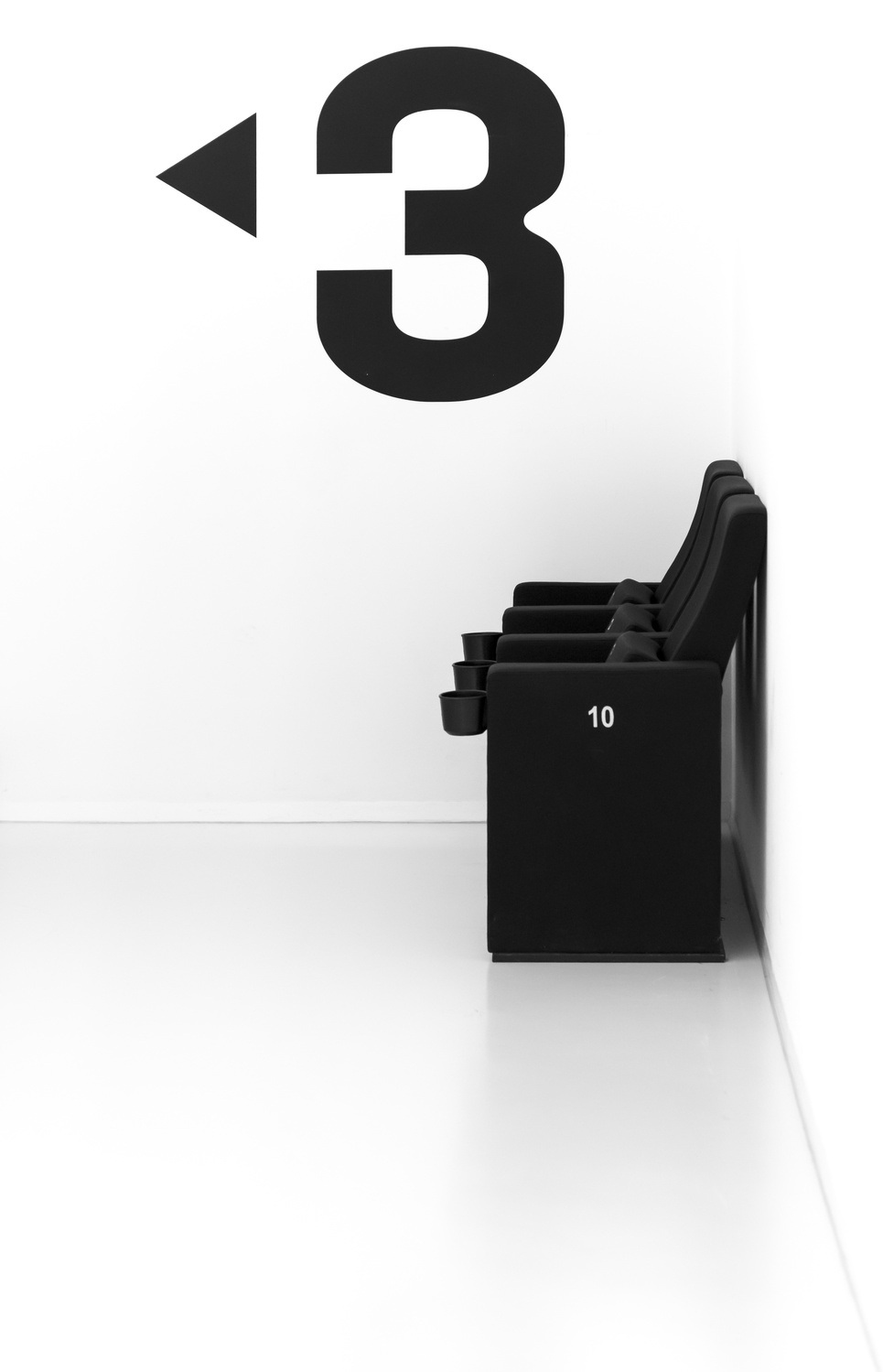
“Choose a number” by Greetje van Son
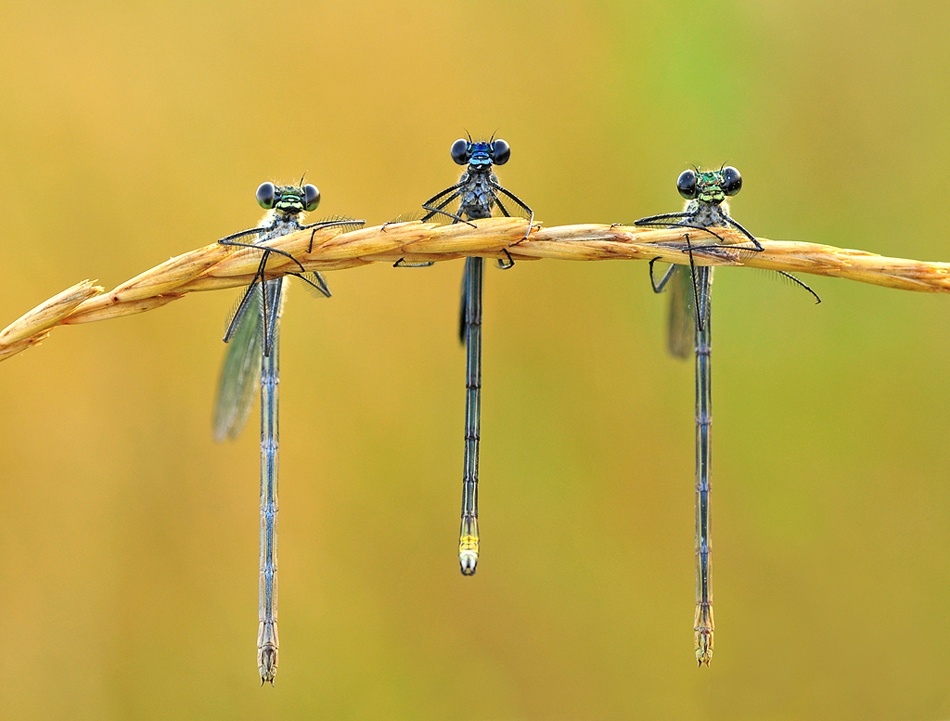
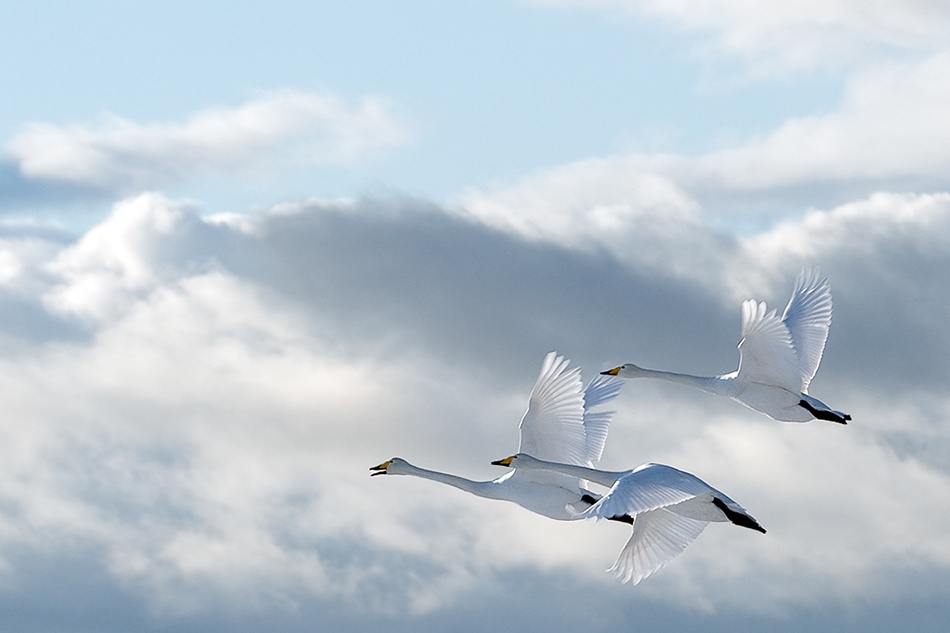
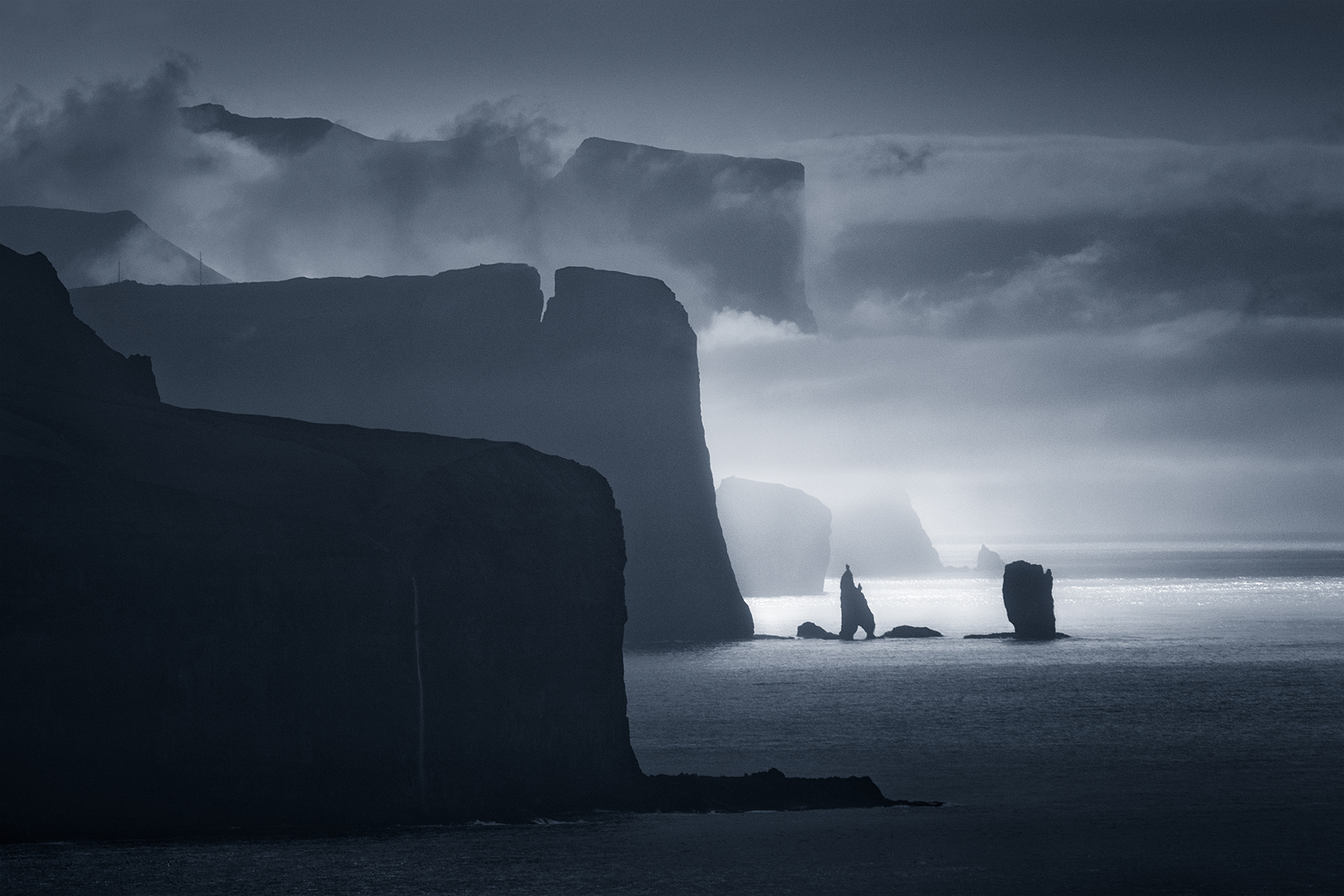
One of the first things photographers learn is the 'rule of thirds' and the 'rule of odd numbers'.
We are told that three figures fit comfortably into a standard compositional grid and that an odd number of objects prevents the viewer's eye from splitting its focus between two items. Three points can form a triangle, which guides the viewer's gaze around the frame. Three objects can be enough to tell a story without cluttering the image.
The 'rule of odds' is a powerful compositional tool. It is said to tap into the brain’s natural tendency to create order. We instinctively form pairs, but when faced with three — or any odd number — we have a group that cannot be so easily organized. This encourages the viewer to spend more time looking at the image, moving their gaze from one element to another, even when one element is clearly dominant.
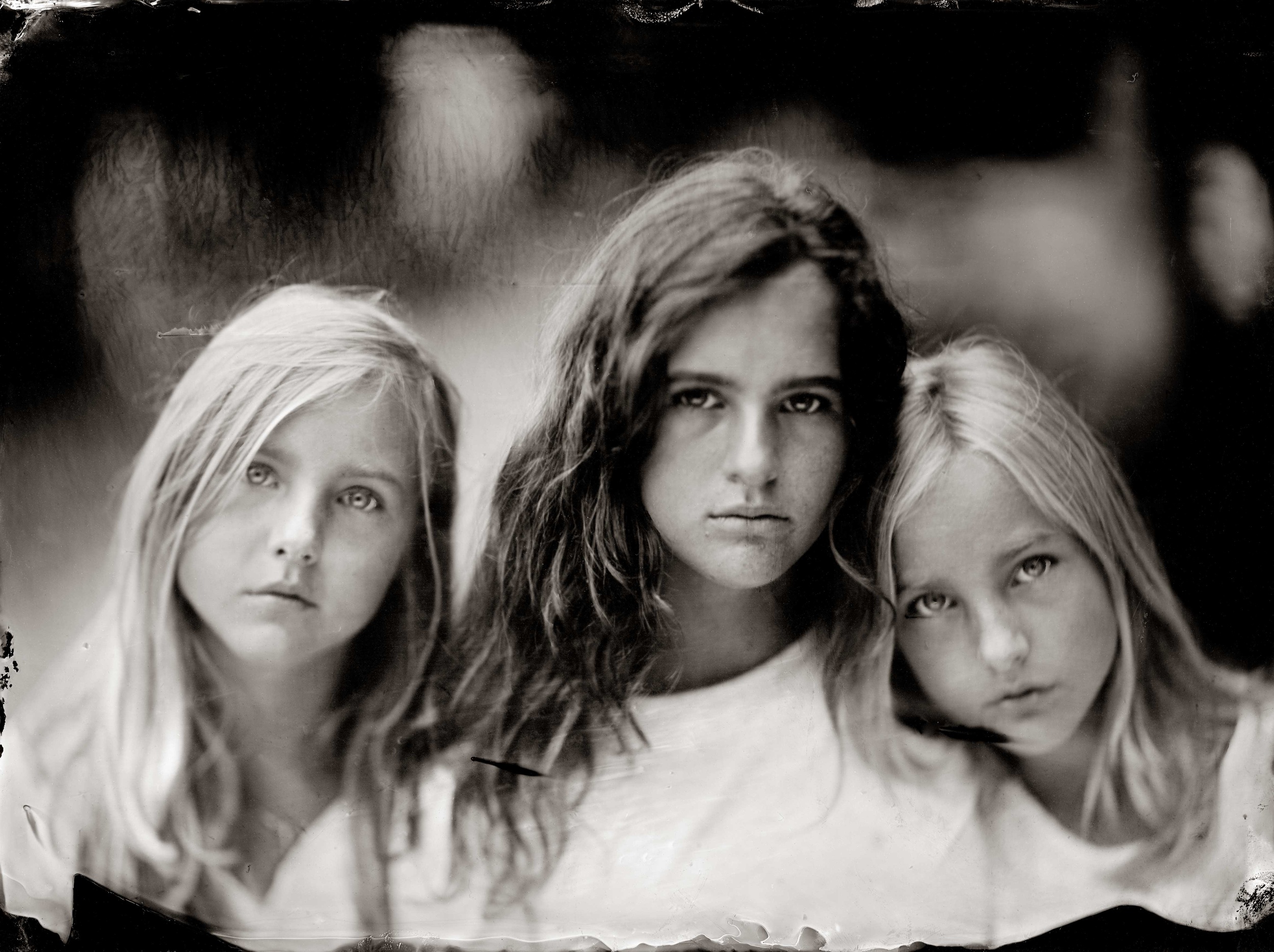
“three sisters” by Peter van Hal
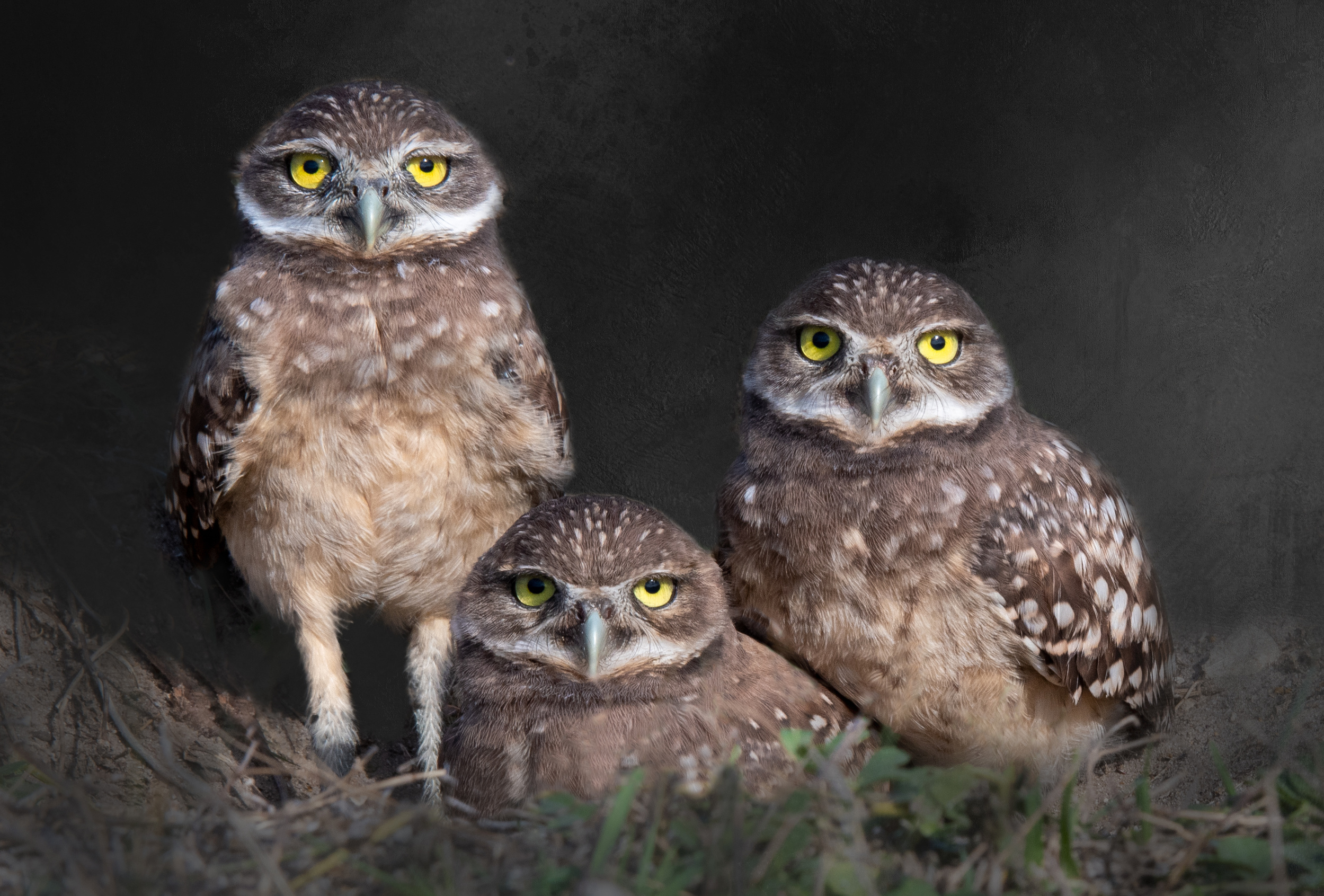
“Three is Company” by Susan Beausang
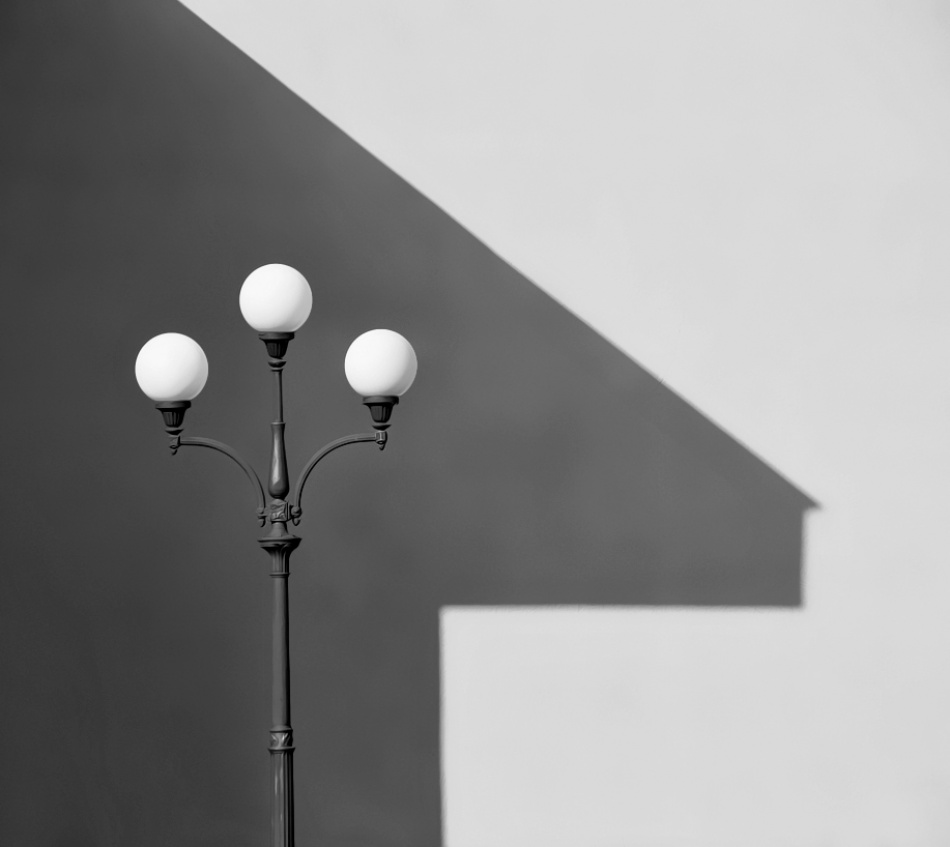
“Soul of the house” by Ralitsa Byalkova
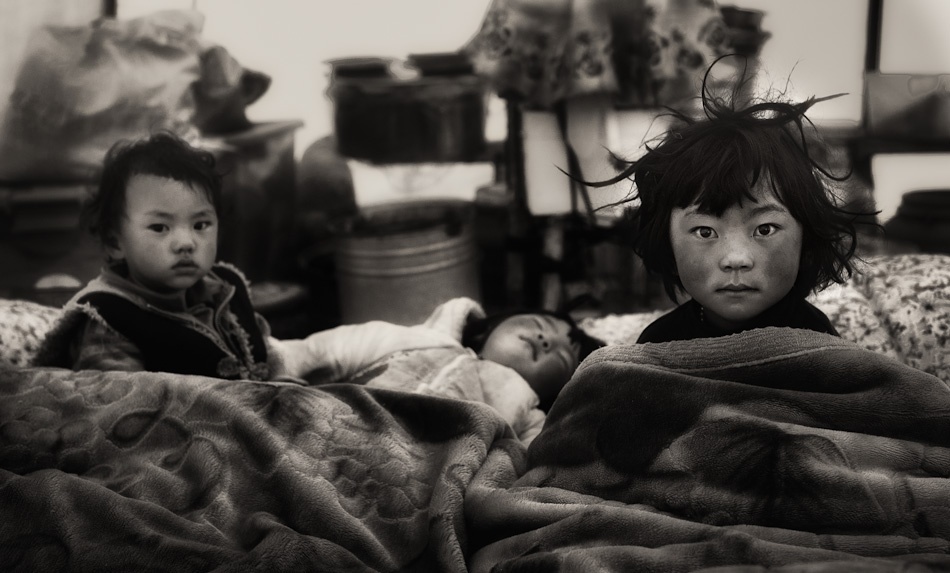
“Awakening” by Nicolas Marino
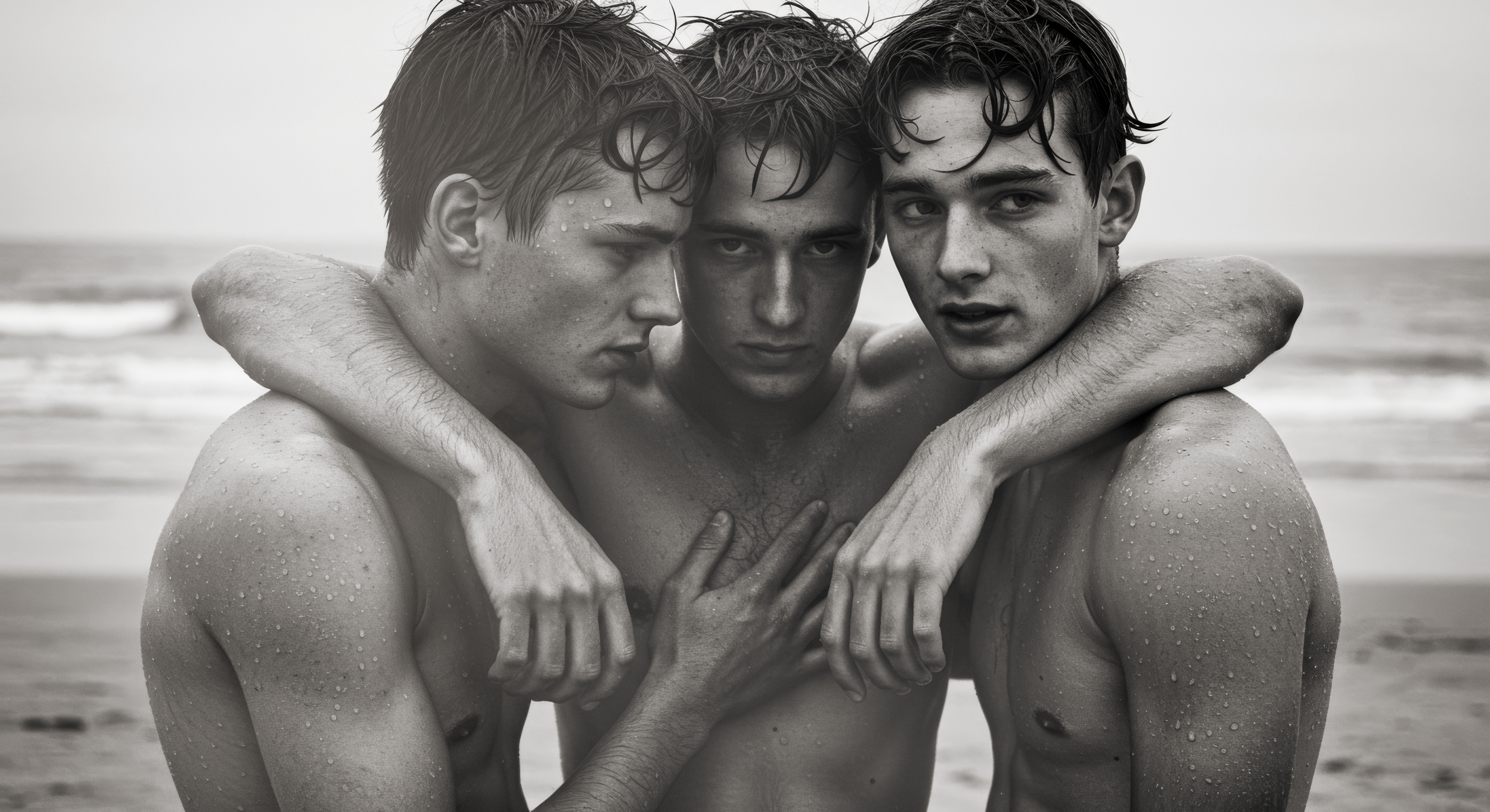
“Invincible” by Roberto Corinaldesi
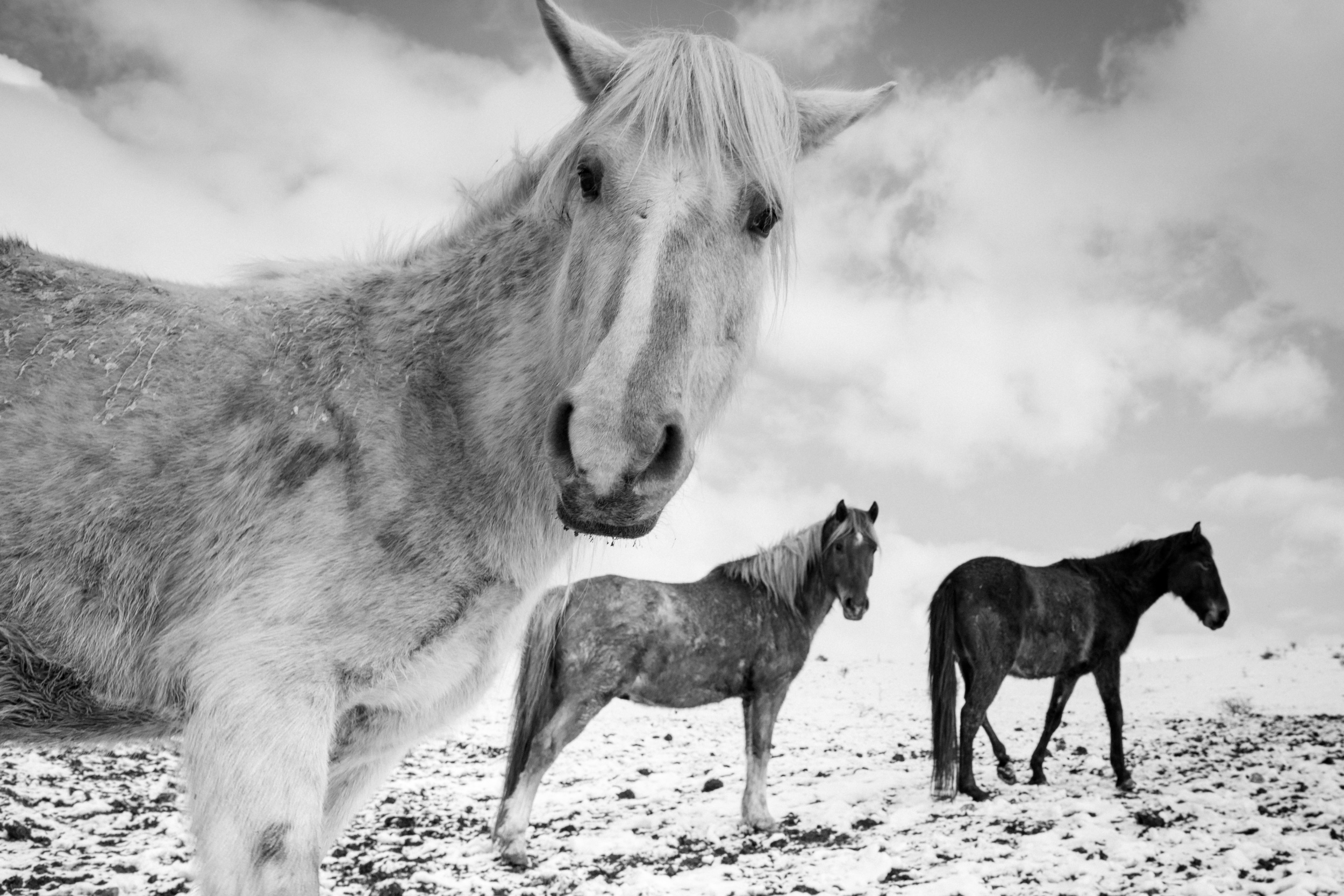
“He, the horse” by Ivelina Berova
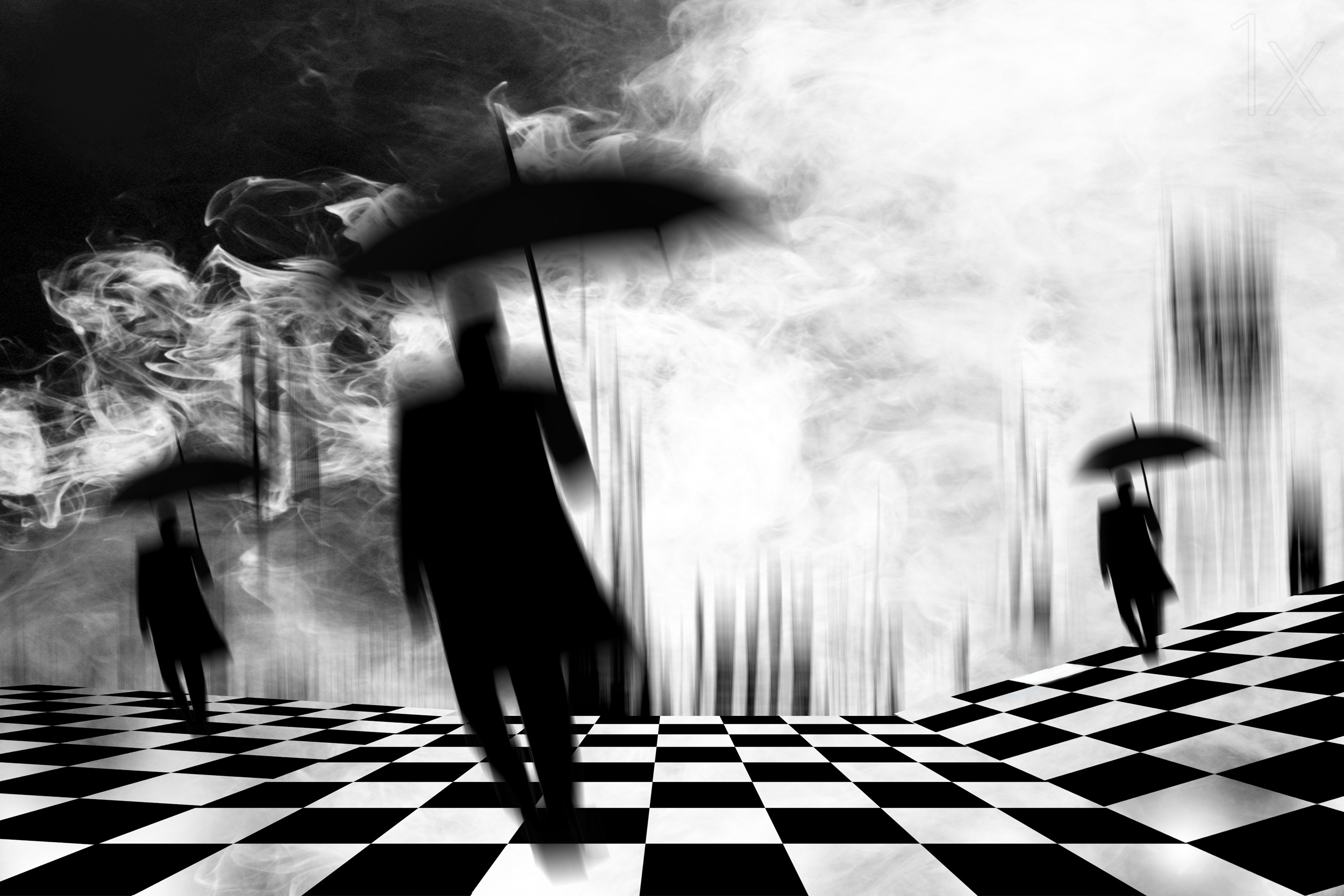
“Nebula” by Stefan Eisele
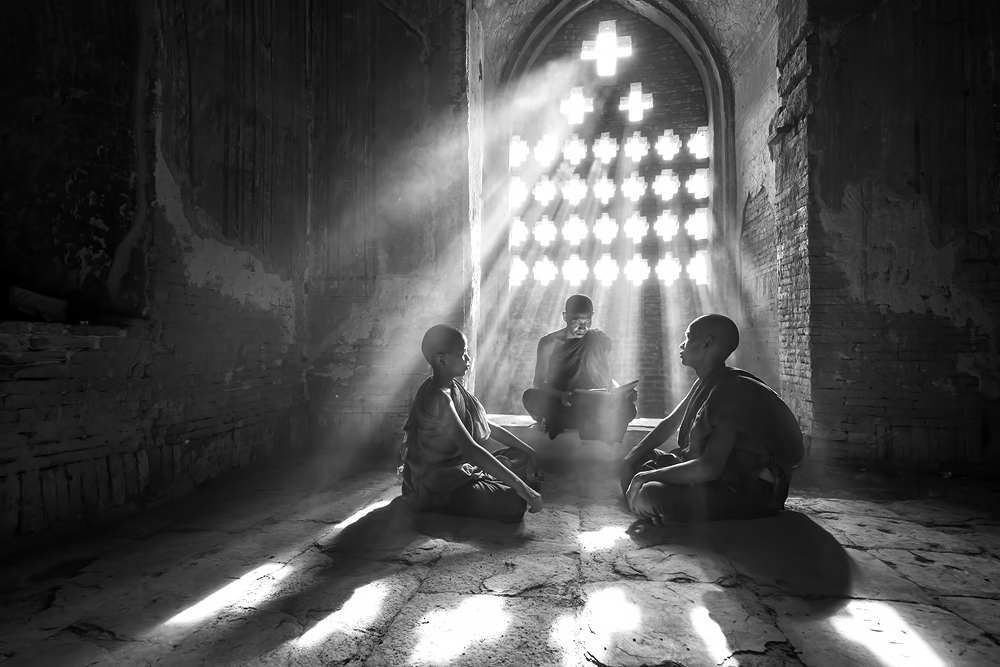
“Learning with the master” by Gunarto Song
Having three subjects allows for more complex visual relationships than having one or two. They can form a triangle that draws the viewer's gaze further into the scene. They can also create lines that converge towards a single point. Three similar objects in a row can establish a pattern that naturally draws the eye in. In today's vernacular, it's all about more screen time and longer looks.
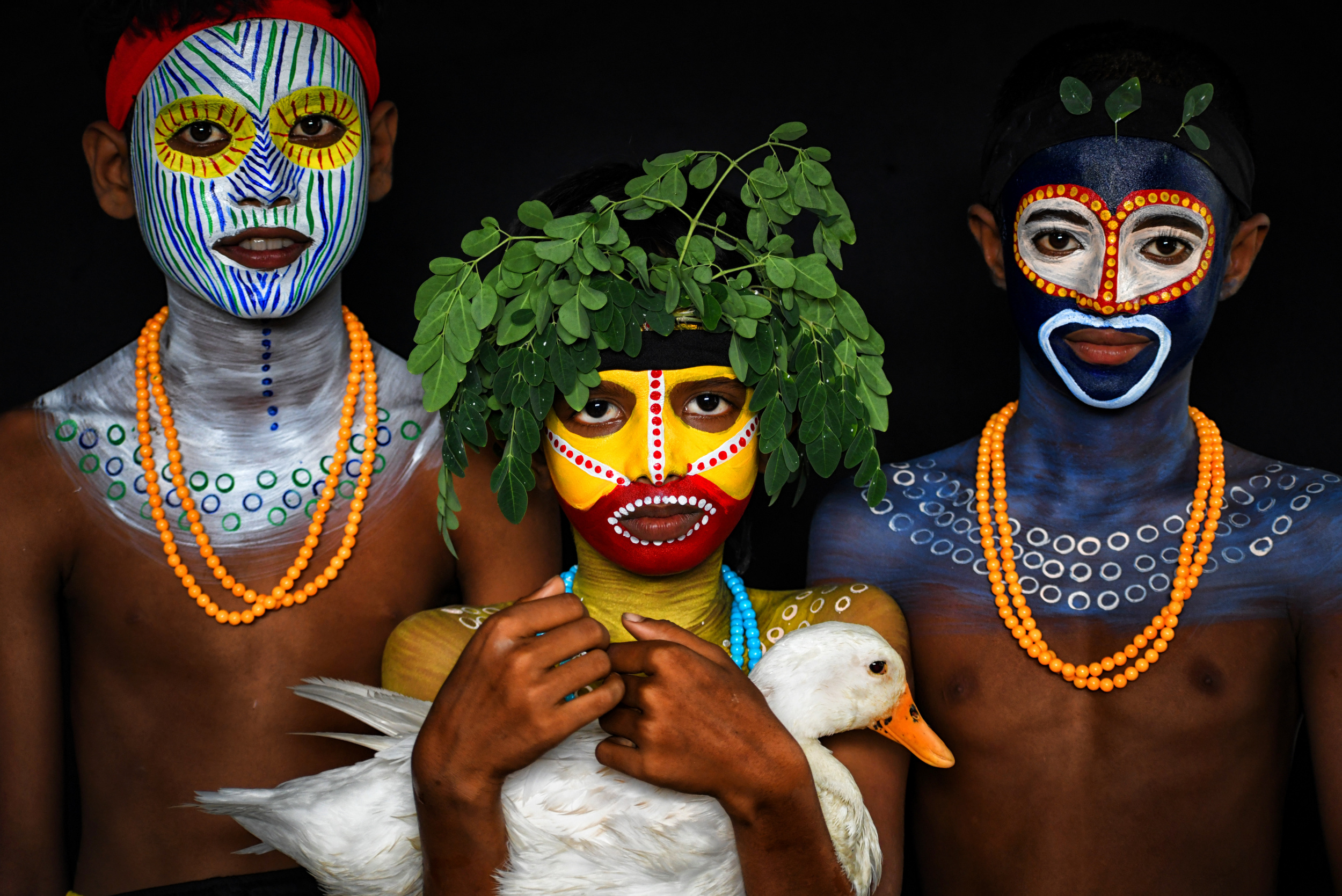
“Tribal Portrait 2” by Avishek Das
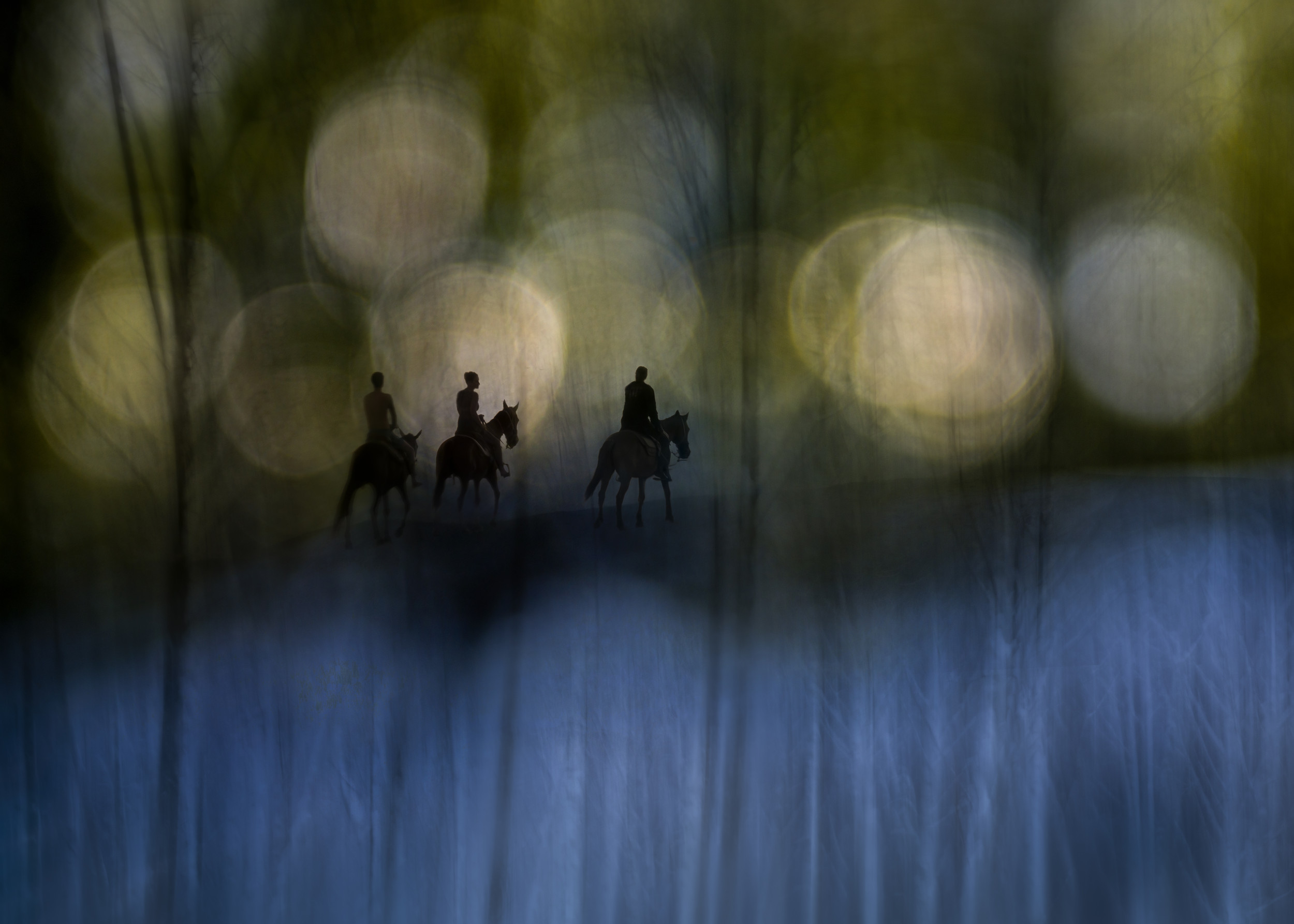
“Three Riders” by Shenshen Dou
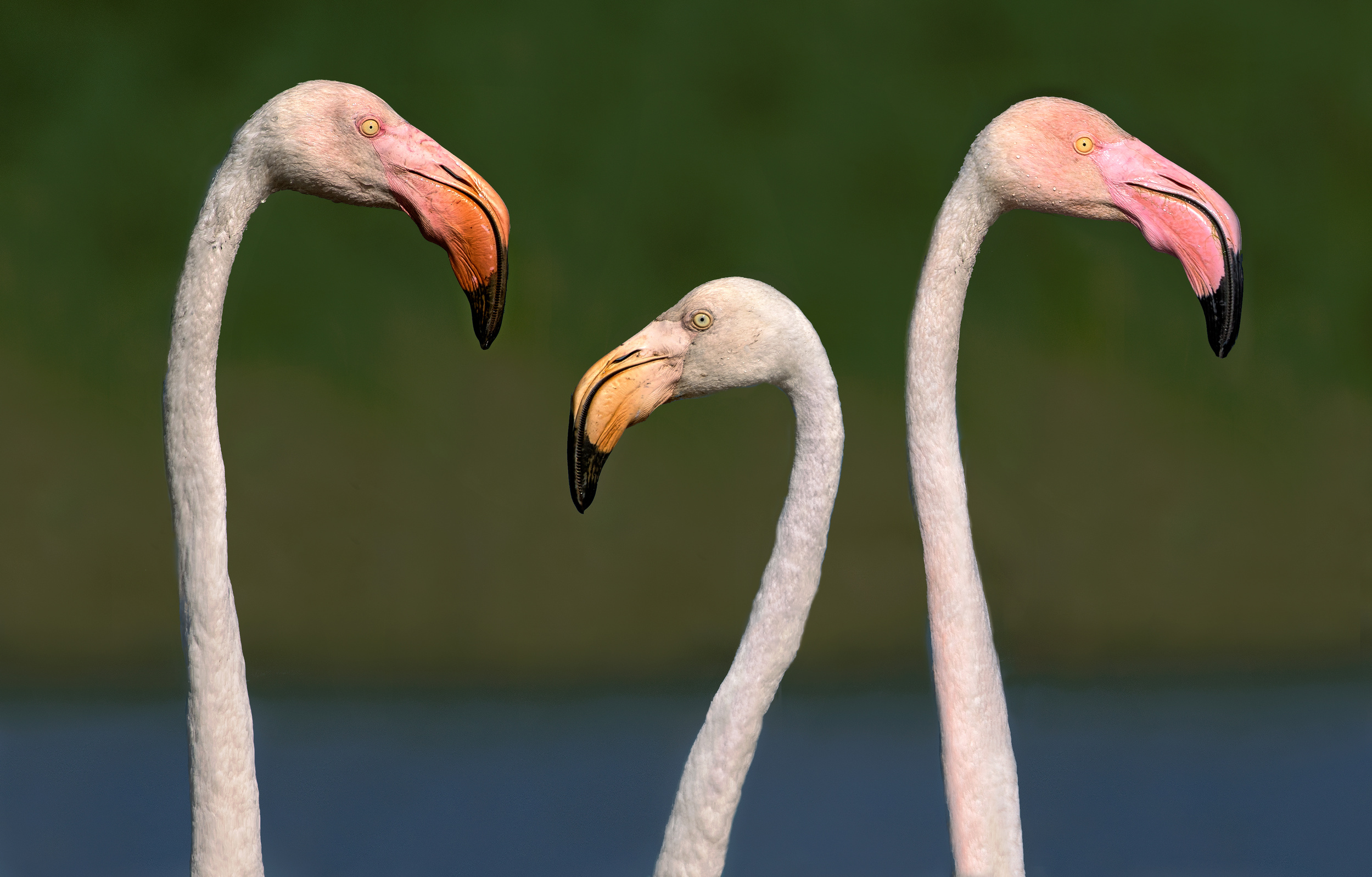
“Three Colors” by Xavier Ortega
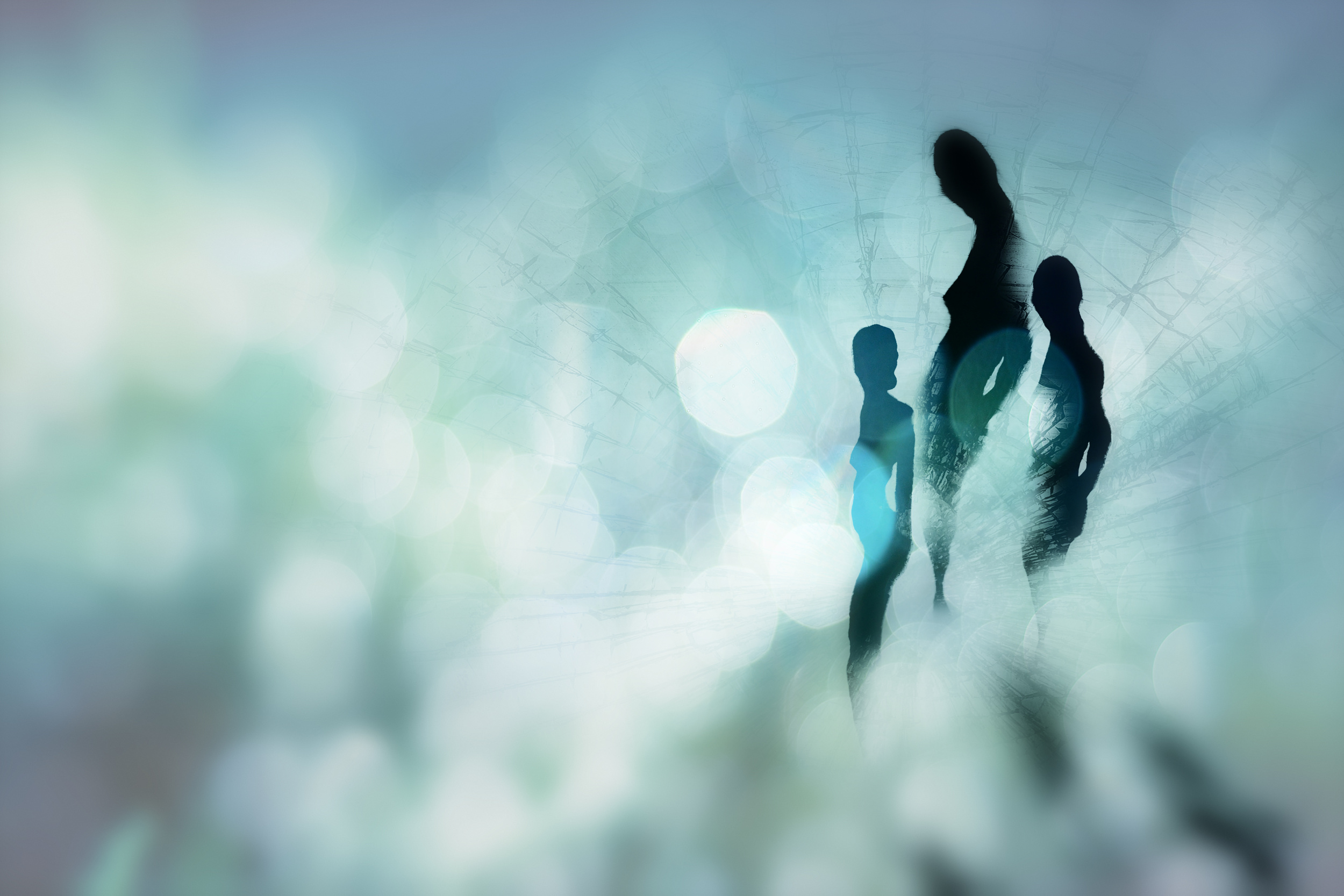
“Trio” by Stefan Eisele
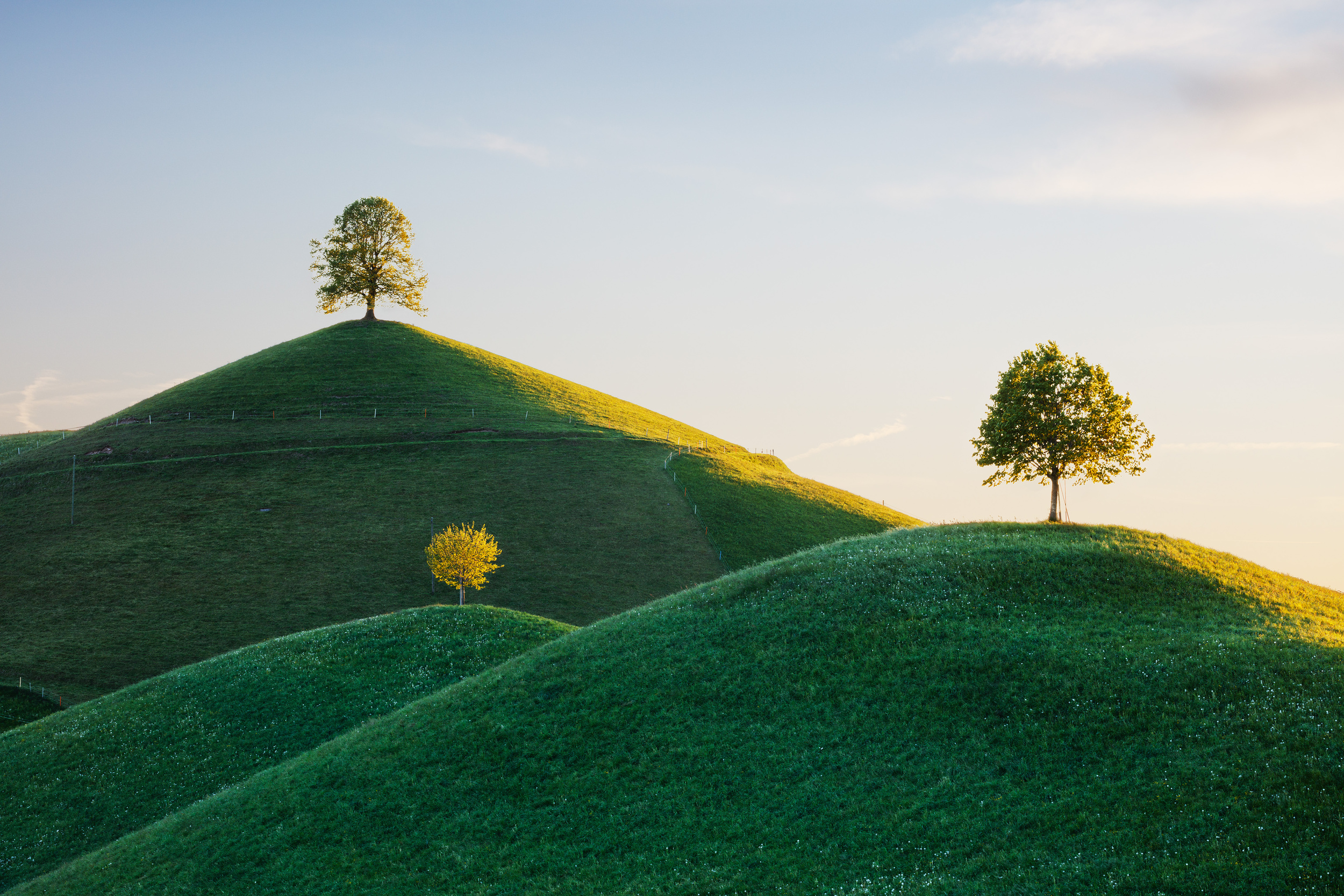
“Three Trees” by Martin Rak
“Three: by Aliona Shevtova
“Swans in the sky” by Anne Ueland
“Three layers” by Huibo Hou
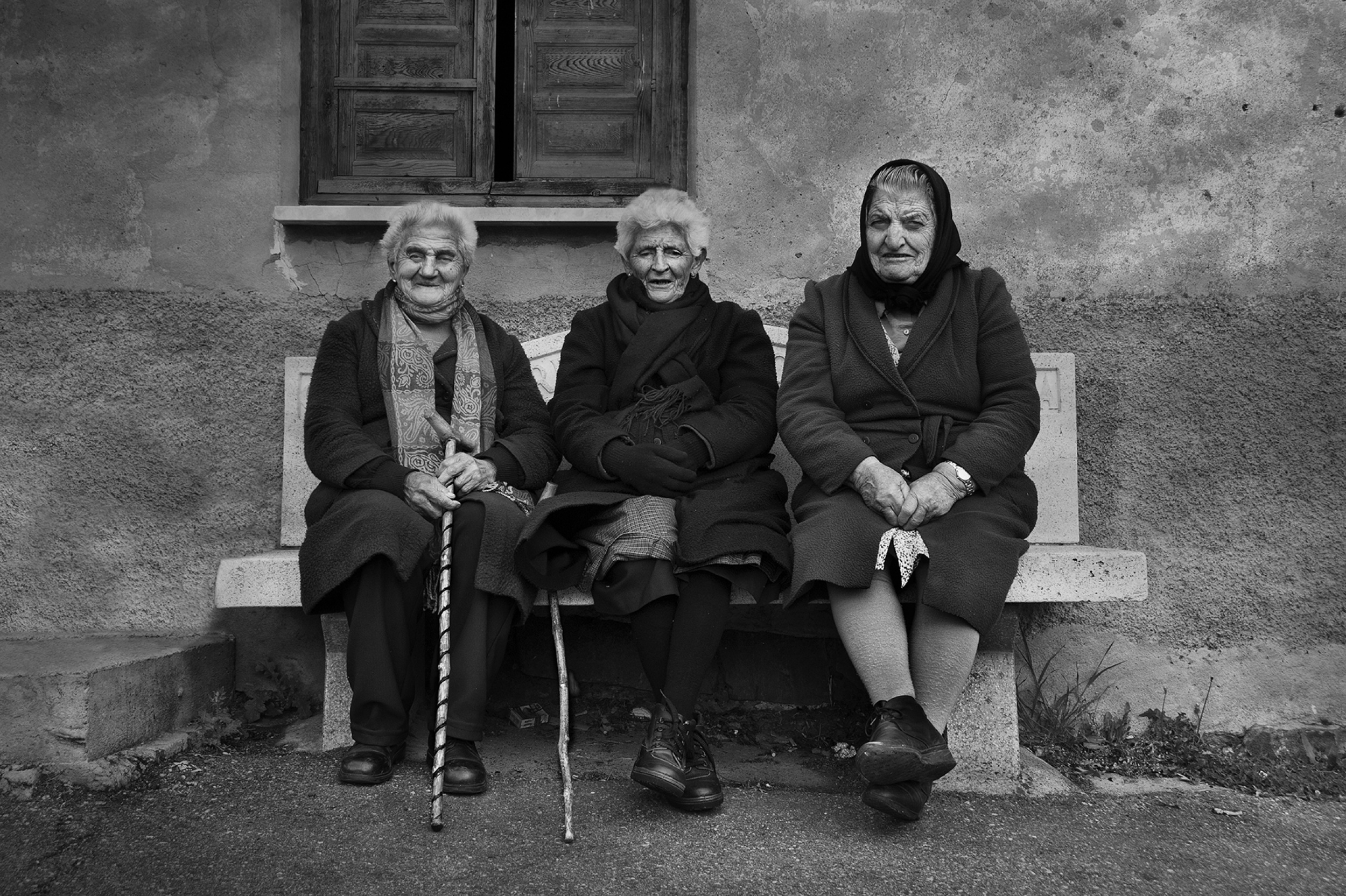
For those who have followed this series — The Power of One and The Power of Two — it will already be clear that, however logical and revered these theories may be, photographers often break them — with spectacular results. While it is good to know the rules, it is even better when breaking them produces something unexpected, compelling and memorable. The 1x archives have proven this time and time again.
“Three charming old women” by Jose C. Lobato
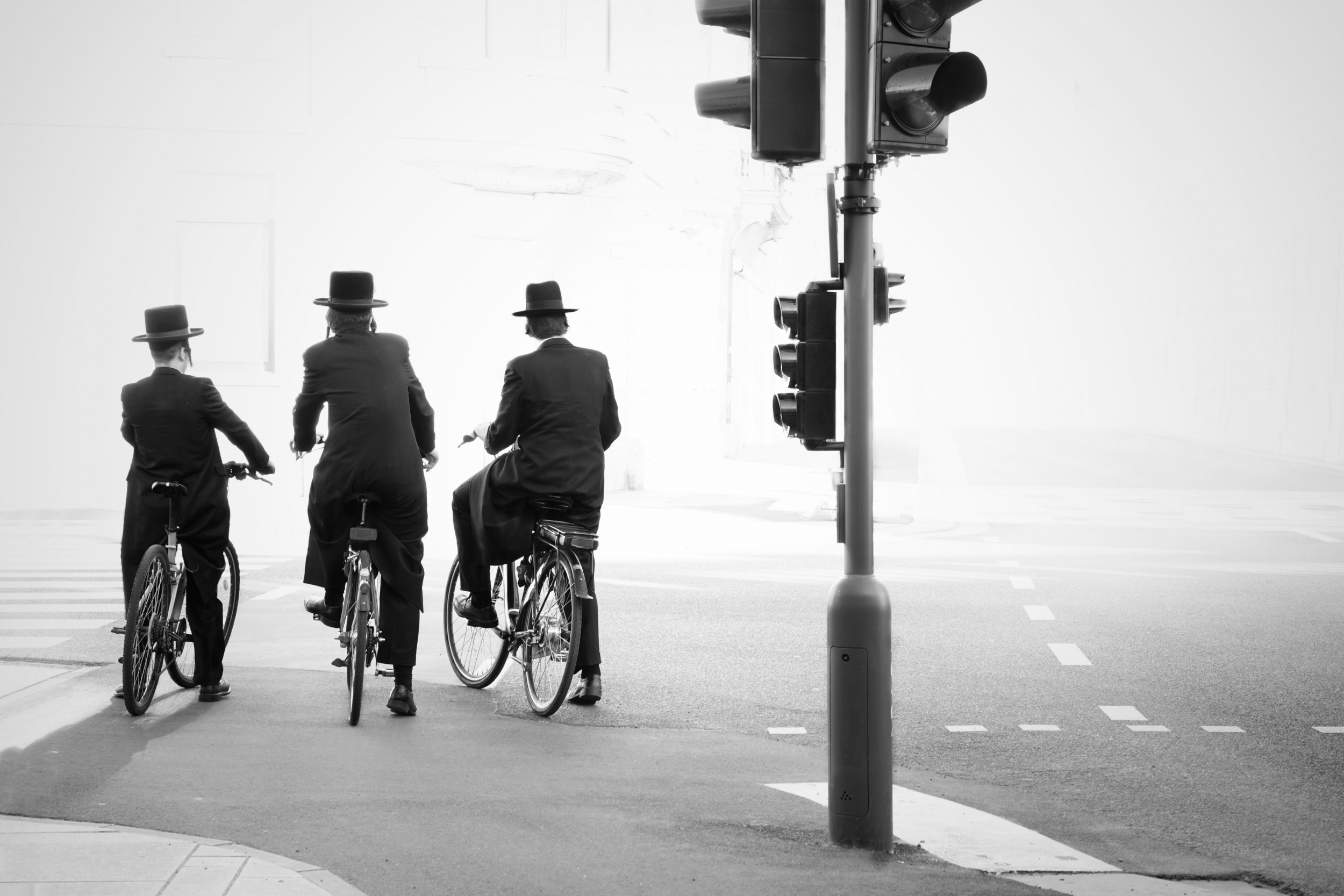
“Three gentleman” by Mania De Praeter
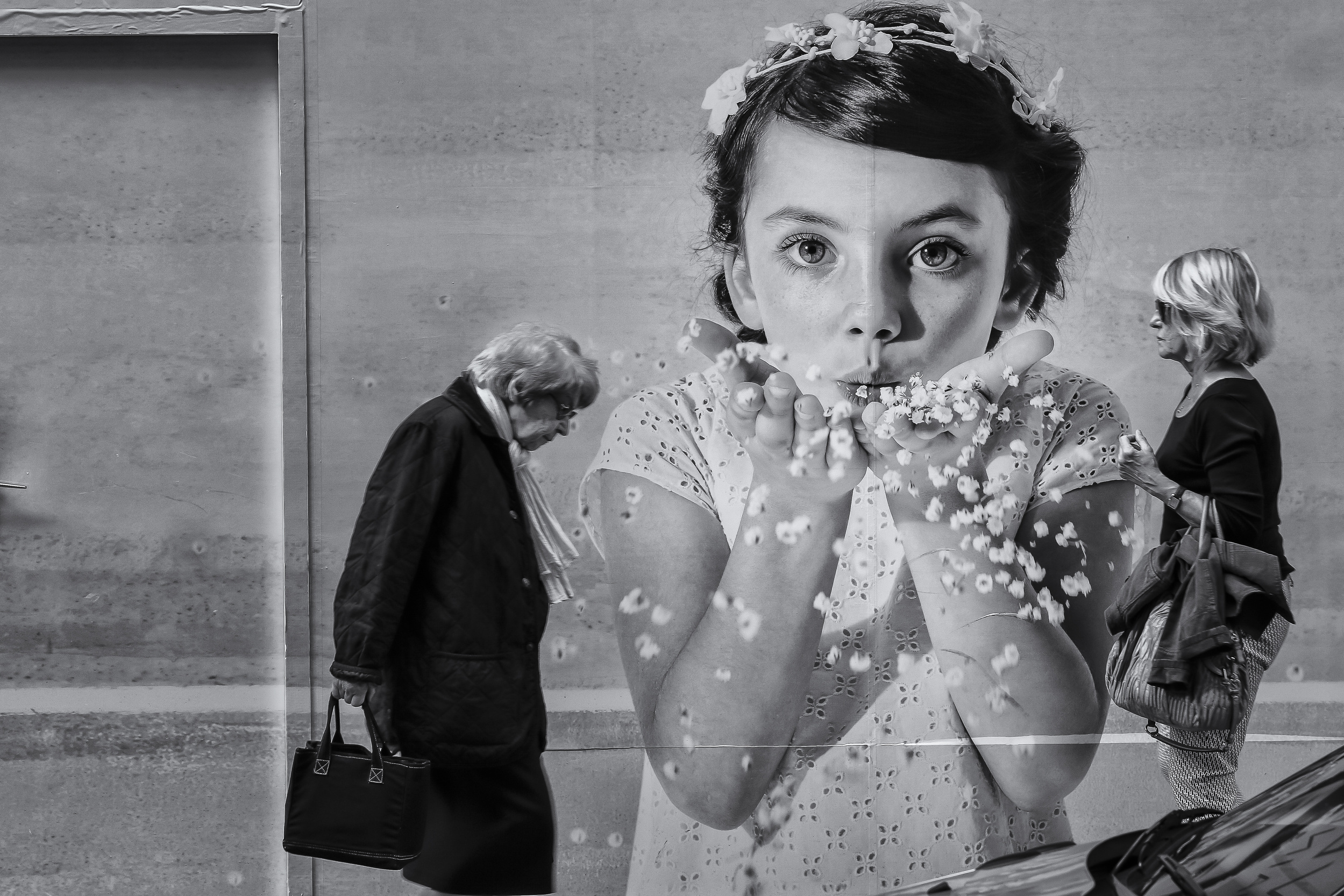
“Three generations” by Jean-Louis Viretti
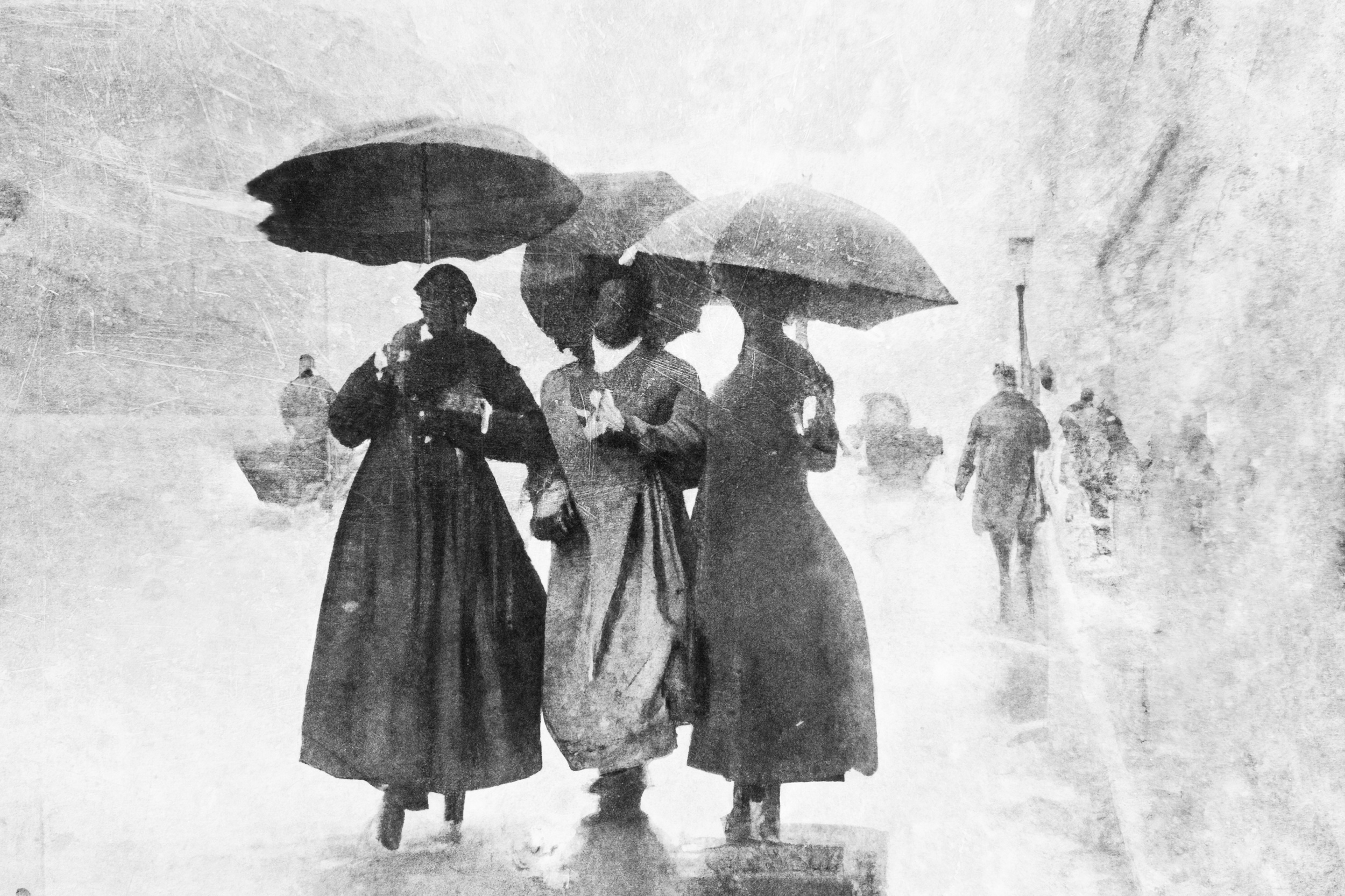
“Some People Stay in Your Heart Forever” by Adam Dauria
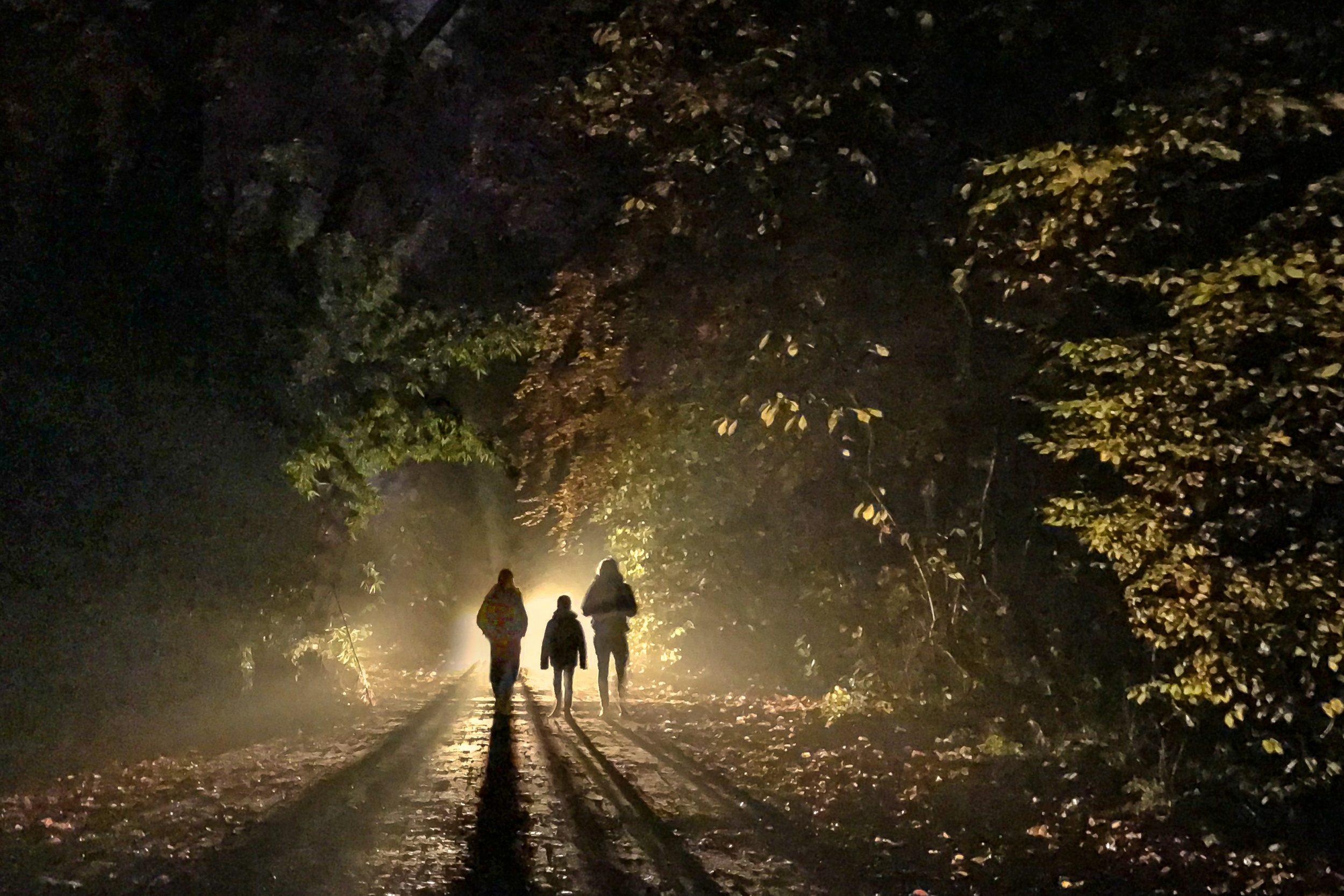
“Welcome to Belgium” by Lus Joosten
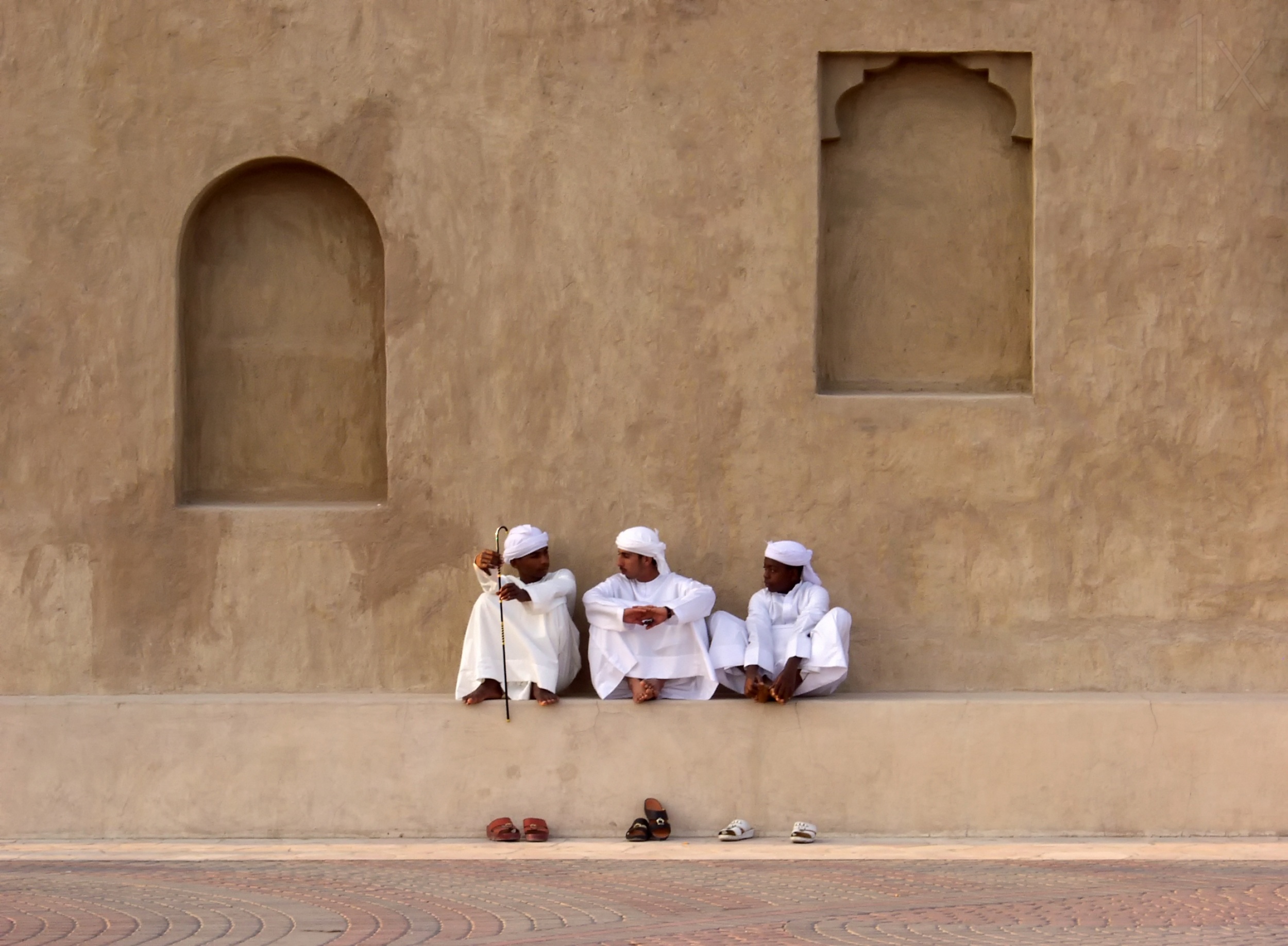
“Dubai” by Hans-Wolfgang Howerkamp
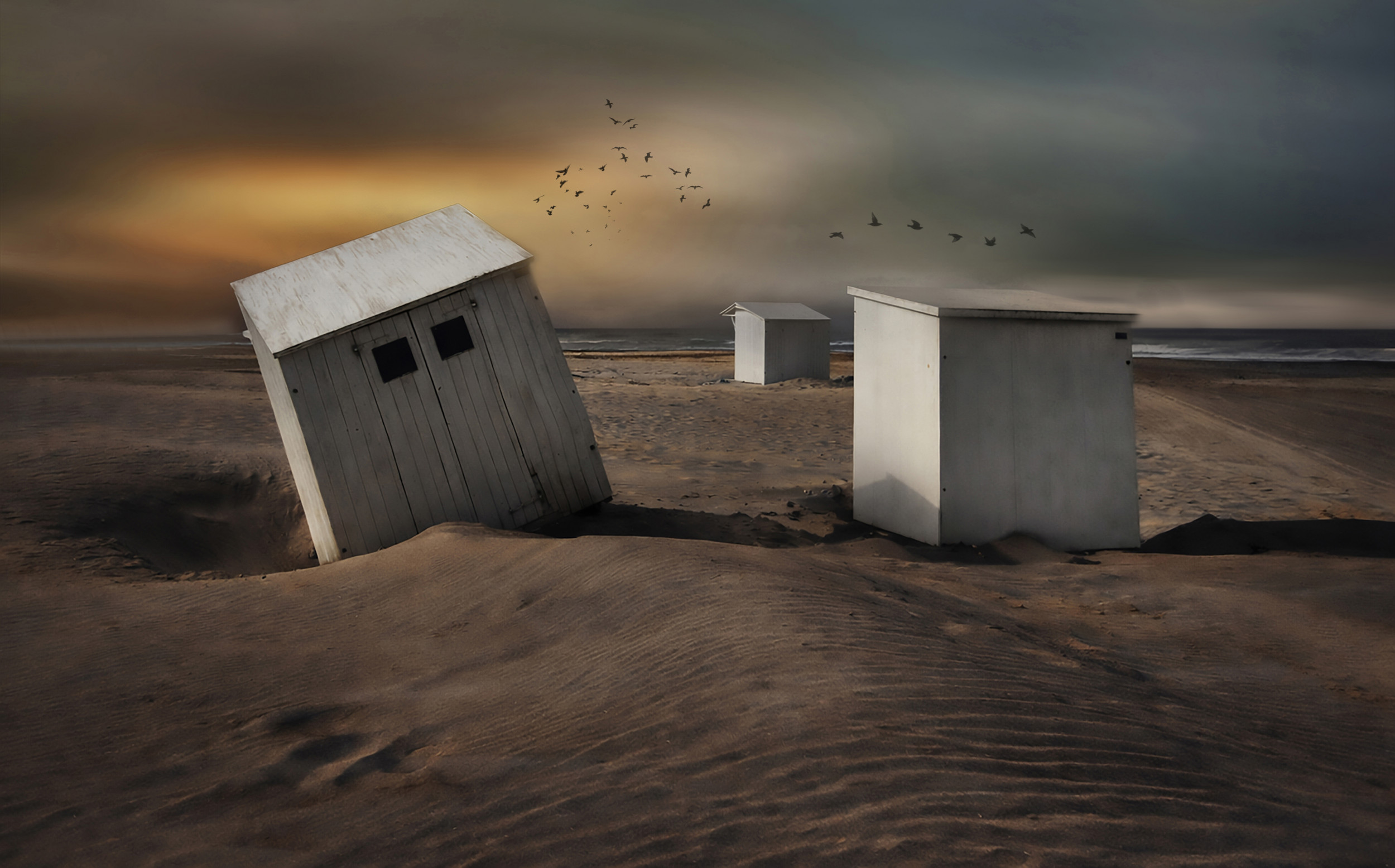
“When the wind has gone” by Yvette Depaepe
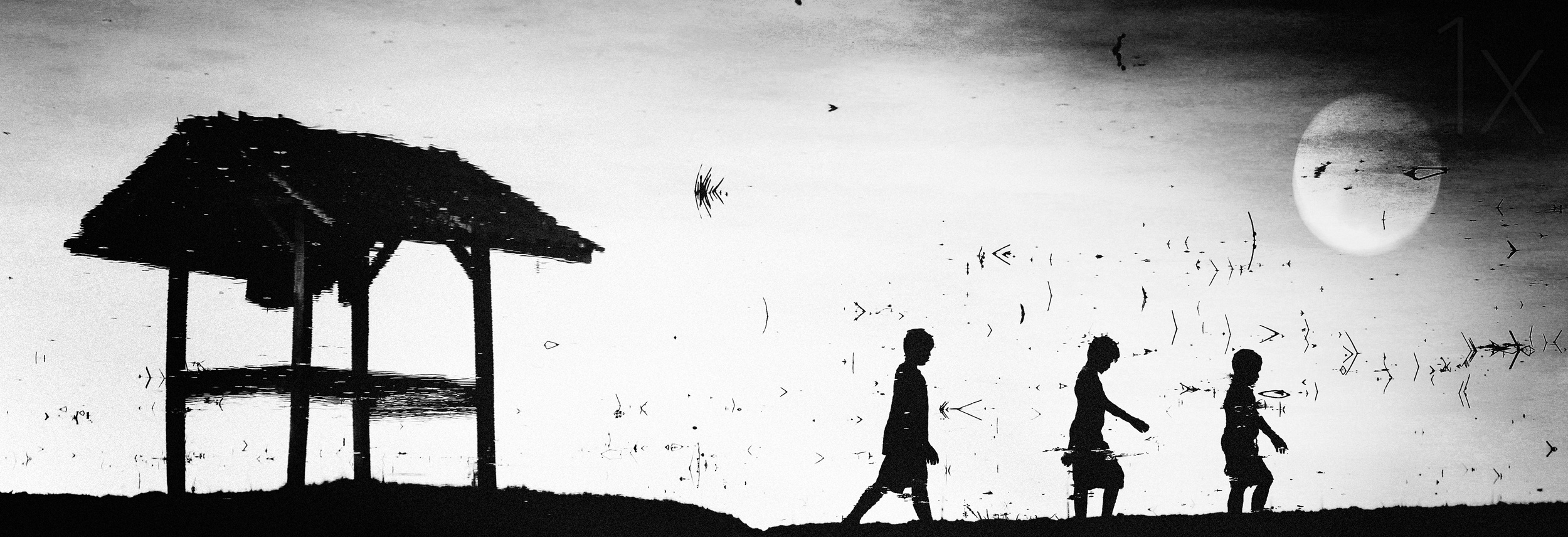
“Back Home” by Jay Satriani
This series was designed to inspire current members, but it has also provided an opportunity to revisit the archives and rediscover some of the brilliant work that has been submitted over the past 19 years. Many of these photographs deserve to be seen again, and I hope that revisiting them will inspire new work for years to come.
|
| | Yaping Zhang PRO 新颖的三人世界系列主题,精彩纷呈。祝贺所有被选中照片的摄影师!感谢Jane和Yvette!辛苦你们了 |
 | DonnaHom APA PRO A very good collection of 3. Congratulations to those whose images had been selected. Thank you to the editors. |
| Jane Lyons CREW Thank you very much, Donna. |
 | Susan Beausang PRO Jane. I am so enjoying your series of 1,2 and now 3. The article is so well written and it have opened my eyes to different ways of seeing photography. Thank you for including one of me photos. I lol look forward to your next creative article. |
| Jane Lyons CREW Hi usan, your owl shot is the best. I am glad I could use it. Thanks ! |
| | Great images! |
| Jane Lyons CREW Nice of you to check in, Patrick. |
| | clivecwatt PRO Great article |
| Jane Lyons CREW Thanks very much Clive. |
 | Wael Onsy PRO Wonderful Album and Article |
| Jane Lyons CREW Thank you, Wael. |
 | Jacob (Jian) Xu CREW Wonderful article and beautiful images, thank you Jane and Yvette! |
| Jane Lyons CREW Thank you very much Jacob, |
 | yein PRO The number 3 balances the design without leaning to one side, giving it a stable feel. Thank you very much to Jane and Yvette!
|
 | rob Kane PRO Brilliant article - thank you. Educational! |
| Jane Lyons CREW Thanks very much, Rob! |
 | Amazing images and very interesting article! Thank you very much to Jane and Yvette! |
| Jane Lyons CREW Svetlana, you are always so nice to comment. We do appreciate it. |
| | Imi Koetz PRO Awesome idea !! Magnificent works !! Congratulations to all !! |
| Jane Lyons CREW Imi, thanks for taking the time to comment. We appreciate it. |
 | remarkable theme and a fantastic selection of matching images. Thanks a lot dear Jane for your work as an selector and editor. Thanks also dear Yvette for your work |
| Jane Lyons CREW Dear Hans-Wolfgang, thank you for taking the time to comment. It is appreciated. |
| | Jay Satriani PRO Thank you for the opportunity and trust in selecting my work to appear in Power 3 Magazine.
I really enjoyed the articles shared in this issue. I gained a lot of new knowledge and insights, especially about how photographers sometimes break the rules of photography and produce spectacular work. Knowing the rules is important, but the courage to explore and push boundaries can also produce something extraordinary.
A special thank you to the brilliant editor Jane, as well as my good friend Yvette, for their hard work and meticulousness in selecting the works featured in this edition.
Warm regards to all members of 1X. You are all amazing—keep creating, exploring, and telling stories through photography. |
| Jane Lyons CREW Jay, it is really so nice of you to take the time to comment. We really appreciate that you read and enjoyed the articles. Also, thank you for an incredible portfolio to choose from. |
| | This is a wonderful addition to your series! Stunning examples of the Power of Three!! |
| Jane Lyons CREW Christine, it is really so nice of you to comment. Thanks! |
 | Lus Joosten PRO Thanks for this selection. |
| Jane Lyons CREW Hi Luis, your portfolio is a gift. Thanks for letting me use them. |
 | kombizz PRO The main question is why three, and why not two or four? |
| Jane Lyons CREW Try reading the text. |